



By Shaheen Hashim
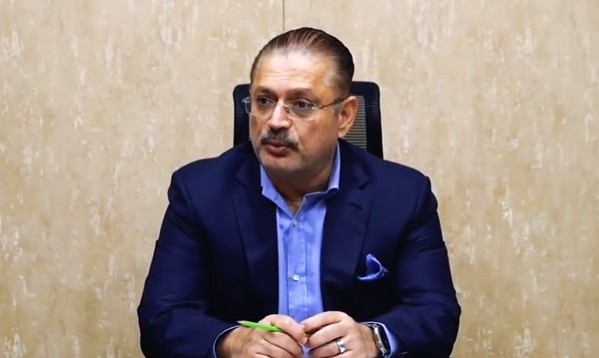
KARACHI: Senior Sindh minister Sharjeel Inam Memon had said that history could not be rewritten through factually incorrect, hate-driven statements or what he described as “cheap slogans” circulated on social media, as he launched a strong defence of the Pakistan Peoples Party’s record in Karachi and across the province.
In a statement issued in Karachi, Memon said the PPP had never been indifferent to the city’s problems, rejecting claims that the party had neglected the country’s largest metropolis. He said Karachi’s deep-rooted challenges, including water shortages, broken sewerage systems, damaged roads and crumbling infrastructure, were the result of decades of neglect by what he termed former “so-called urban governments”, rather than the outcome of recent policies.
The senior minister argued that the PPP was the only political party taking practical steps to heal what he called the “wounds of the people”, rather than relying on rhetoric. He pointed to a series of ongoing initiatives as evidence of sustained government effort, including the K-IV water supply project, reforms in solid waste management, the expansion of bus services and several large-scale development schemes aimed at improving daily life in the city.
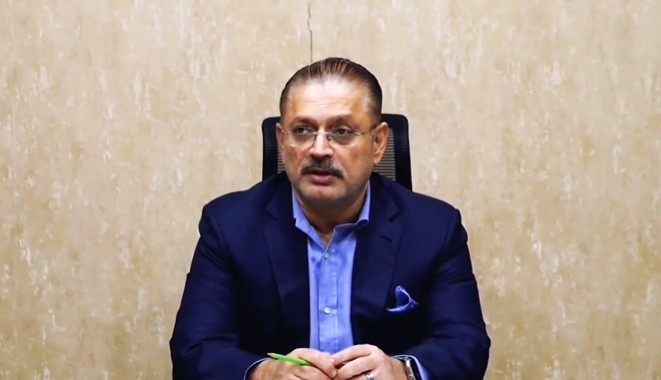
Memon said the Sindh government had consistently believed in the fair distribution of resources and rejected accusations of discrimination against Karachi. He stressed that funds generated from the city were being spent on the city itself, adding that development projects were visible proof of this policy on the ground.
Highlighting the health sector, he said government-run hospitals in Sindh were not only providing modern medical facilities but had also emerged as a model for other provinces to follow. He claimed that investments in public healthcare reflected the PPP’s broader commitment to social welfare and inclusive development.
Reaffirming his party’s ideological stance, Memon said the PPP had always prioritised a strong federation, provincial autonomy and the welfare of ordinary citizens. He added that politically aware people in Sindh could clearly distinguish between those genuinely serving the public and those attempting to mask their failures through what he described as statement-based politics.
He concluded by saying that governance required sustained work and accountability, not slogans, and expressed confidence that the public would judge political parties on performance rather than rhetoric.
