



By Aziz Khatri
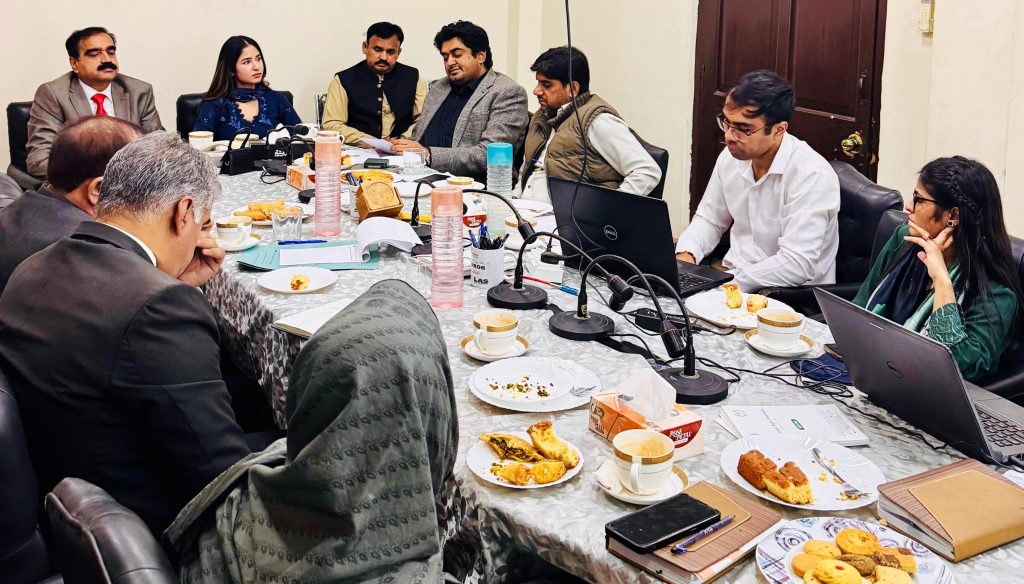
KARACHI: The Sindh Human Rights Commission (SHRC) marked the International Day for the Abolition of Slavery with a high-level consultation on eliminating child and bonded labor across the province. The event brought together government officials, members of the labor department, civil society representatives, and human rights activists to discuss strategies for tackling these enduring human rights challenges.
Barrister Rida Tahir, Business and Human Rights Member of SHRC, provided an overview of the Sindh Bonded Labor System (Abolition) Act, 2015, noting that children were defined as anyone under the age of 18 under the Sindh Child Protection Authority (Amendment) Act, 2021, in line with international conventions. She highlighted the importance of the Trafficking in Persons Act, 2018, and the Smuggling of Migrants Act, 2018, in protecting vulnerable populations from exploitation.
MPA Barrister Shiraz Shoukat Rajper, also a member of the Commission, emphasized amendments to the Sindh Child Protection Authority Act that expanded the definition of abuse, offering stronger safeguards against child labor, child begging, and child trafficking. He stressed the need to promote compulsory education, particularly in rural areas, expand vocational training, and uphold the rule of law to protect vulnerable communities.
Secretary Agha Fakhar Hussain underscored that modern-day slavery persisted in Sindh and called for collective responsibility to address forced labor, child labor, and exploitation. Other speakers, including Tehseen Fatima and Altaf Khoso, highlighted the importance of integrating cases into district vigilance committees, improving employment opportunities for persons with disabilities, and establishing dedicated courts for child protection.
Sayed Athar Ali Shah, Regional Director of Labor & Human Resources, said that while legal frameworks existed, effective implementation remained the key challenge. He noted that child labor had fallen from 20 percent in 1996 to 10 percent, though bonded labor continued to affect many, particularly in agriculture. The SHRC concluded by urging stronger law enforcement, inter-departmental coordination, and community awareness to protect children and workers across Sindh.
