



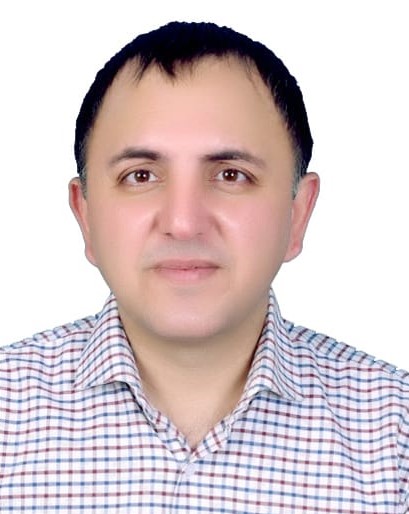
By Atiq Raja
“I hope you make it.” It is a phrase of barely five words, yet it carries the weight of a lifetime. It is not loud like applause, nor sharp like advice. It is soft, human, and unfinished—just like hope itself. In its simplicity lies its power: an acknowledgment of struggle, an offering of belief, a quiet nod to the journey rather than the destination. When someone says, “I hope you make it,” they are not promising success. They are not guaranteeing safety or victory. They are acknowledging uncertainty. They are saying: the road ahead is hard, the odds may be unfair, but I still believe in you. It is a blessing without control, faith without authority.
In a world obsessed with outcomes, this gentle phrase quietly honors effort. It recognizes the unseen battles—the sleepless nights, the self-doubt, the courage required to try again after failing in silence. “Making it” does not always mean fame, wealth, or applause. Sometimes it means simply surviving without losing your values. Sometimes it means choosing kindness in a cruel season. Sometimes it means showing up for yourself, day after day, in small acts that pass unnoticed but accumulate into resilience. The phrase honors perseverance in its purest form, giving dignity to effort where achievement alone cannot. This hope often comes from those who know struggle themselves. Parents who could not reach their own dreams, but refuse to pass on their fear.
Teachers who see potential in a student long before the world notices. Friends who may not fully understand your path but respect your courage to walk it. In each case, the phrase carries empathy and recognition—an admission that the journey is as important as the outcome. There is humility embedded in these words. They do not claim to know what “making it” looks like for you. They leave space for your definition of success. Your making it could be peace. It could be purpose. It could be healing. In addition, this freedom makes the hope purer. By avoiding prescription or expectation, the phrase allows for growth on your own terms.
It is both gentle and radical, offering belief without burden. Perhaps the most powerful moment is when you say it to yourself. When the world is quiet, when progress feels slow, when comparison steals joy—whispering “I hope you make it” becomes an act of self-compassion. Not pressure. Not demand. Just permission to keep going. It reminds us that hope can be internal as well as external, a private force that sustains effort even when recognition is absent. In times of conflict, inequality, and exhaustion, the phrase takes on an almost political weight. It resists despair. It refuses to cancel the future. It declares that even in broken systems, unfair starts, and uneven playing fields, someone believes that arrival is possible.
To say “I hope you make it” is to affirm potential in a world that often measures people only by outcomes. It is an act of quiet rebellion against cynicism. For those who have not heard it lately, let these words meet you where you are: “I hope you make it.” Not because the path is easy. Not because success is guaranteed. However, because your effort, your story, your becoming, and your persistence matter. It is a reminder that hope is not a luxury; it is a human necessity. That the act of moving forward, regardless of circumstance, deserves recognition. There is power in hope without assurance.
It honors the struggle, acknowledges the uncertainty, and yet persists. It recognizes that even small, unseen acts—showing up, speaking up, standing firm—are significant. It reminds us that survival, integrity, and compassion are achievements in themselves. And when shared with another, or whispered to ourselves, it becomes a quiet covenant: you are seen, your effort is valued, and your journey matters. In a world that prizes outcomes, “I hope you make it” honors the journey itself. It carries with it the recognition that life is rarely linear, that obstacles are real, and that resilience is often invisible.
(The writer is a rights activist and CEO of AR Trainings and Consultancy, with degrees in Political Science and English Literature, can be reached at editorial@metro-morning.com)
