



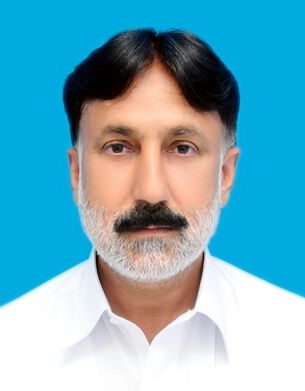
By Sudhir Ahmed Afridi
The prolonged closure of the Torkham border crossing, alongside other key transit points such as Chaman, Ghulam Khan and Kharlachi, was not a sudden administrative decision but the outcome of armed clashes between Pakistani and Afghan forces at multiple points on 11 October last year. Since then, Pakistan has maintained that Afghan soil has been used for militant infiltration into its territory and has insisted that borders will remain shut to movement and trade until international guarantees are provided that such incursions will cease. Islamabad’s position has echoed a wider concern voiced by the international community: that Afghanistan continues to harbor militant networks posing a threat to the region and its neighbors. Kabul’s response has been categorical in tone but ambiguous in effect.
The Afghan supreme leader, Hibatullah Akhundzada, issued a decree asserting that peace prevails inside Afghanistan, that a stable regime is in place, and that the country is no longer a land of war, rendering jihad or armed struggle unnecessary. Any attack launched from Afghan territory into neighboring states, he declared, would be illegitimate and treated as a criminal act. This position was reinforced last month when hundreds of Afghan religious scholars gathered from various districts and unanimously issued a fatwa declaring armed action against neighboring countries religiously impermissible and tantamount to treason against the Afghan state, promising strict action against violators. For Pakistan and other neighbours, these statements offered reassurance, but reassurance without enforcement has proved insufficient.
The Afghan authorities have remained unwilling to acknowledge that militancy is being exported from their territory. The reality, whether through reluctance or incapacity, is that militant networks operating inside Afghanistan have not been dismantled. Declarations and fatwas alone cannot substitute for verifiable action on the ground. In Pakistan’s Khyber Pakhtunkhwa province, particularly the former tribal districts, almost every major act of terrorism continues to trace its origins across the border. This has left ordinary people grappling with painful and unsettling questions. Are the residents of these areas, overwhelmingly devout Muslims, to be treated as legitimate targets? Are police officers and security personnel, themselves Muslims serving an Islamic republic, guilty of any transgression that could justify their killing? The logic is absent, the justification hollow.
What remains is a grim arithmetic in which the victims, on both sides of the violence, are Pakistani Pashtuns and Muslims. The consequences of this violence extend far beyond the immediate loss of life. Each attack is followed by security operations that sweep through local communities, bringing arrests, searches and, at times, full-scale operations. The result is repeated displacement, with thousands rendered homeless, humiliated and economically broken. Homes and property are damaged, livelihoods destroyed, children pulled out of school, young people pushed into unemployment. In the most heartbreaking cases, Pashtun women are forced into public begging, stripped of dignity by circumstances not of their making. This collective suffering raises a moral reckoning that cannot be deferred indefinitely.
Since 11 October 2025, the closure of trade routes between Pakistan and Afghanistan has inflicted losses running into billions of dollars on both economies. Yet the heaviest burden has fallen on ordinary people, particularly border communities whose economic life has collapsed almost entirely. For tribes living along these crossings, trade stoppages have not only severed income streams but strained social ties and family relationships that have historically transcended the border. This hardship has been compounded by decades of deliberate neglect. Pakistan’s tribal regions were long denied meaningful development, industrial investment or even basic services.
Survival depended on informal trade and daily-wage labor linked to cross-border movement. With the borders sealed, even these fragile livelihoods vanished. Daily earners who once managed to feed their families now face hunger. Transporters are stranded, and manufacturers who relied on Afghanistan as a primary export market are watching Iranian, Indian and Central Asian goods take their place. The tragedy is deepened by political indifference. Those in power appear unmoved by fear of God or by the prospect of mass public protest. Yet the reality remains stark: prolonged border closures are harming Pakistan more than a country already devastated by decades of conflict.
(The writer is a senior journalist at tribal region, covers various beats, can be reached at editorial@metro-morning.com)
