



The Torkham border closure has entered its ninth day, crippling Pakistan-Afghanistan trade, spoiling goods, and driving up essential commodity prices.
By Sudhir Ahmad Afridi
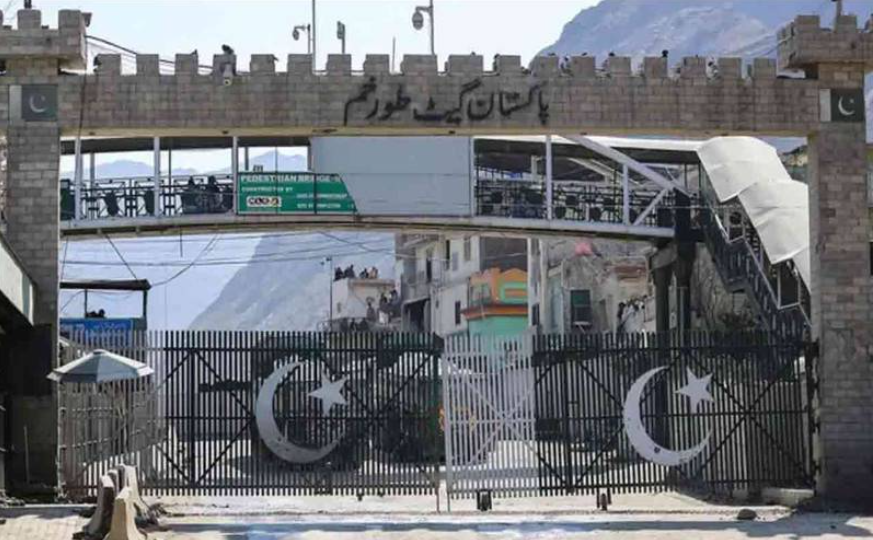
TORKHAM: The Torkham border crossing between Pakistan and Afghanistan remained sealed for a ninth consecutive day on Tuesday, deepening economic distress and leaving hundreds of vehicles stranded as diplomatic tensions between the two neighbors showed no sign of easing.
The closure, enforced amid ongoing security and political frictions, has halted all pedestrian and trade movement through one of the busiest arteries linking South and Central Asia. The suspension has paralysed the flow of goods, with traders warning of mounting losses as supplies of fruit, vegetables, and other perishables rot in stranded trucks.
Local residents on both sides of the border reported sharp spikes in food prices and shortages of essential items, a blow to already fragile frontier economies heavily dependent on daily cross-border commerce. In markets near Landi Kotal and Jalalabad, traders said the prices of tomatoes, onions, and pulses had doubled within a week.
The blockade has also disrupted livelihoods for thousands of transporters, customs workers, and daily wage earners who rely on the route. Truck drivers stranded for days along the dusty highway described worsening conditions, citing food shortages and mounting financial pressure. “Our goods are rotting, and every passing day means another loss,” said one driver waiting near the Khyber Pass.
Efforts to reopen the crossing have so far faltered, with both sides blaming each other for the impasse. Pakistani officials cited security concerns and the need for “strict border regulation,” while Afghan authorities accused Islamabad of imposing “unjustified restrictions.”
Traders’ unions and business groups have urged both governments to settle the dispute through dialogue, warning that the prolonged shutdown was hurting commerce and regional stability. As the standoff entered its second week, the closure of Torkham stood as a stark reminder of the fragile and frequently strained relationship between Islamabad and Kabul.
