




By Amjad Qaimkhani
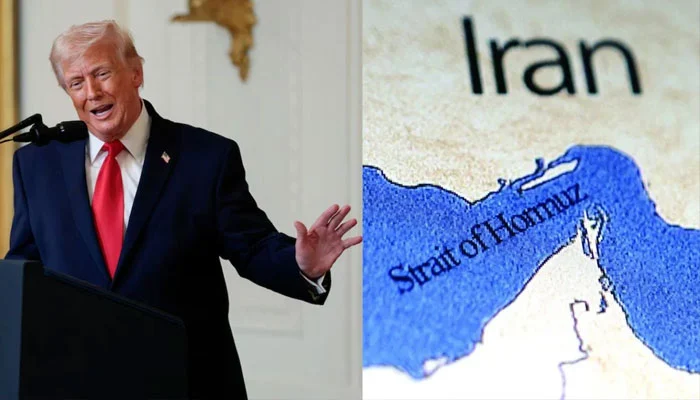
WASHINGTON: The international response has remained largely muted after Donald Trump appealed to global powers to help reopen the Strait of Hormuz, a key oil shipping route facing rising security concerns. Even as Washington sought international cooperation, several countries signalled caution over sending naval forces to the region.
Japan declined to deploy naval vessels to the Strait of Hormuz, with the ruling party’s policy chief saying such a move would only be possible if a major threshold in the regional crisis was crossed. Meanwhile, China has also refrained from backing Trump’s request, though its embassy in Washington said Beijing was working to enhance communication with relevant parties and play a constructive role.
US Energy Secretary Chris Wright also called on China to assist in efforts to keep the strategic waterway open, saying he expected Beijing to act as a constructive partner in maintaining stability in the region.
Britain’s Energy Secretary Ed Miliband said London was discussing the situation with the United States and other allies and could consider sending mine-detection drones to help ensure safe navigation. South Korea said it had reviewed Trump’s appeal and was closely monitoring developments in the Middle East.
France has already refused to send naval vessels to the region, highlighting the cautious approach adopted by several countries as tensions around the Strait of Hormuz continue to rise.
#StraitOfHormuz #DonaldTrump #GlobalResponse #MiddleEastTensions #OilShippingRoute #USChina #EnergySecurity #WorldPolitics #MaritimeSecurity #BreakingNews
