




MM Report
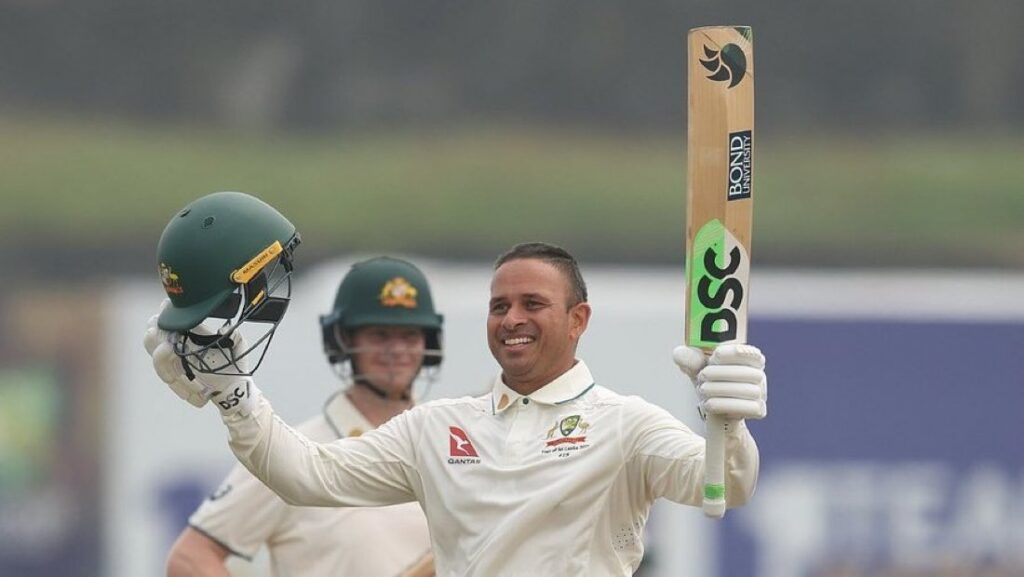
SYDNEY: Usman Khawaja was set to retire from all international cricket after the fifth Ashes Test at the Sydney Cricket Ground on 4 January, bringing the curtain down on a 15-year career that reshaped the image of Australian cricket as much as it delivered runs at the highest level.
At 39, the left-handed opener prepared to step away as Australia’s first Muslim and Pakistan-born Test player, having amassed 6,206 runs and 16 centuries in the longest format of the game.
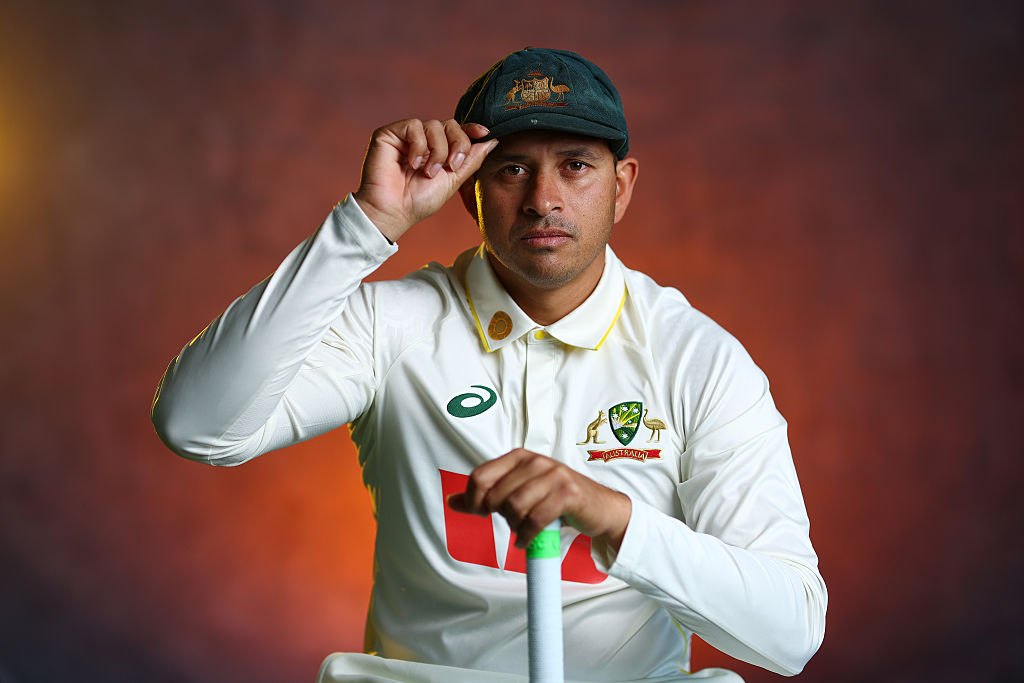
Khawaja’s career was often defined by resilience as much as elegance at the crease. Born in Islamabad and raised in western Sydney, he spoke openly in recent years about growing up amid racism and exclusion, experiences he said shaped both his outlook and his willingness to speak out.
Those early struggles, he reflected, hardened his resolve to succeed in a system where he often felt he did not belong, even after breaking into the national side.

Beyond cricket, Khawaja became one of the sport’s most prominent voices against Islamophobia and racial prejudice. He repeatedly defended his right to express views on social justice, arguing that silence was not an option for someone who had lived through discrimination.
He accused sections of the media of leaning on racial stereotypes, particularly when questioning his commitment during periods of injury, claims that reignited debate about how athletes from minority backgrounds are portrayed.
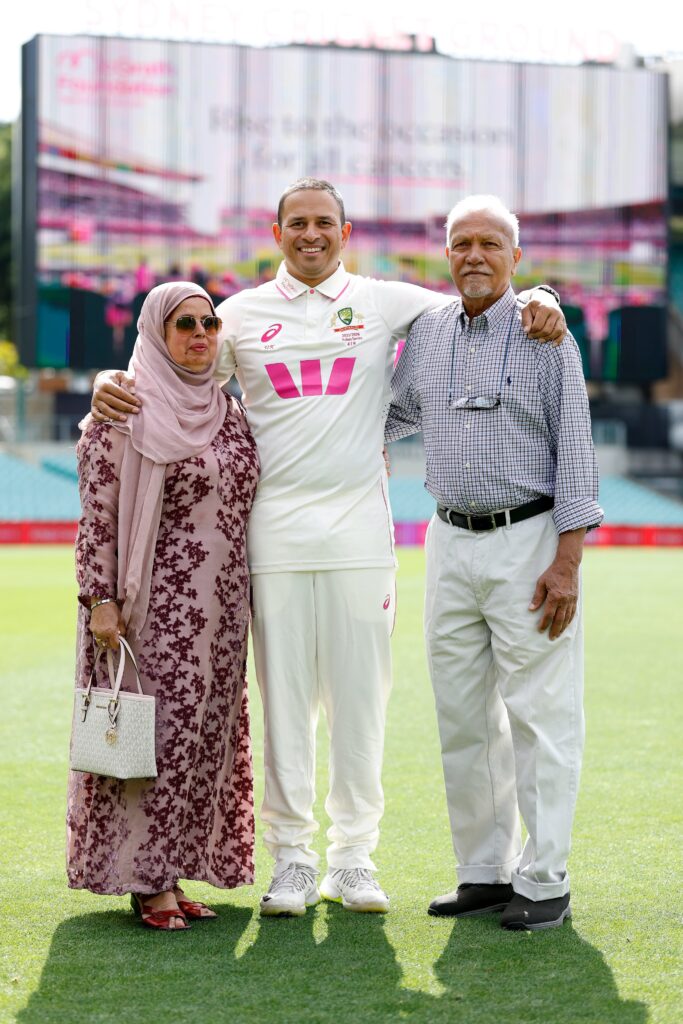
Reaction to his stance was sharply divided. Senior figures within Australian cricket praised his willingness to articulate uncomfortable truths, describing his public statements as a form of leadership that extended beyond the boundary rope.
Former players and teammates highlighted his calm authority in the dressing room and his role in mentoring younger cricketers navigating similar pressures.

Others, however, were less sympathetic. Critics argued that his political comments distracted from the game and suggested he had shown insufficient gratitude to a country that gave him opportunity. Khawaja rejected that framing, insisting that gratitude and criticism were not mutually exclusive.
As he prepared for his final Test in Sydney, Khawaja’s legacy appeared secure. He left not only as one of Australia’s most accomplished openers of his era, but as a figure who forced cricket to confront questions about identity, belonging and whose voices are heard within the game.
