



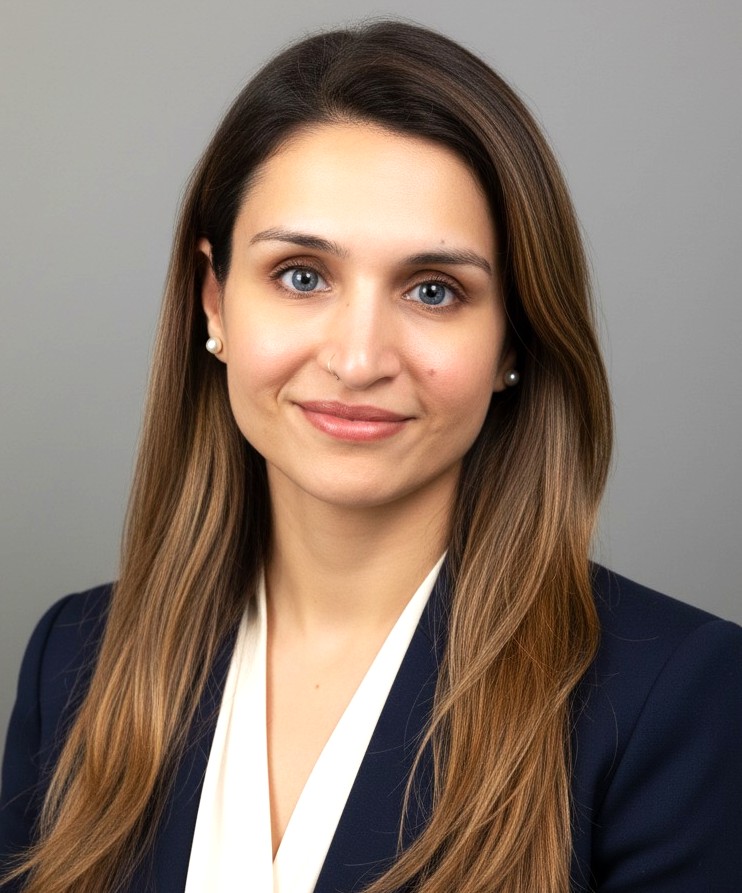
By Alia Zarar Khan
On 3 January 2026, a highly controversial military operation carried out by the United States in Venezuela, resulting in the removal and apprehension of sitting President Nicolás Maduro and his wife, sparked intense global debate over the respect for territorial sovereignty and the limits of state power. The United States described the action as a law enforcement mission rather than a military invasion. Yet, when assessed against Article 2(4) of the UN Charter, which states that “All Members shall refrain in their international relations from the threat or use of force against the territorial integrity or political independence of any state, or in any other manner inconsistent with the Purposes of the United Nations,” the operation’s legality remains deeply contested.
Even when considered in the context of the right to self-defense under Article 51 of the UN Charter, it is unclear how such an intervention can be justified. This is not the first time the United States has intervened on foreign soil under the guise of national security or law enforcement. Historically, the US has conducted numerous operations in countries such as Panama in 1989, Iraq in 2003, and Libya in 2011, often citing the need to protect national interests, combat terrorism, or enforce justice. In several instances, these actions drew international criticism for violating the sovereignty of the states involved. The United States frequently defended these interventions by invoking self-defense, the protection of civilians, or the enforcement of international mandates, although many legal scholars and states contested these justifications.
The memory of the 2011 Abbottabad operation in Pakistan remains vivid. US forces carried out a strike to eliminate Osama bin Laden without prior consent from the Pakistani government, justifying it as an exercise of the inherent right of self-defense under Article 51, arguing that bin Laden posed an ongoing threat to US security. The operation sparked widespread shock and concern within Pakistan, leaving the nation distressed and dissatisfied, and ultimately turning public opinion against its own government. The situation also highlights the role of powerful states in the UN Security Council, where the United States, Russia, China, the United Kingdom, and France each hold veto power.
The United States has often used this authority to shield its initiatives, while Russia and China frequently exercise it to prevent UN resolutions they view as unjust or overly intrusive into the domestic matters of other states. In response to the Venezuela operation, the United Kingdom stated that it was not involved in the US operation and emphasized that Washington must justify its actions under international law, while supporting a peaceful transition for the Venezuelan people. France also criticized the intervention, stressing that no external power can impose a lasting political solution and that only Venezuelans can decide their own future. Unilateral actions by powerful states carry grave risks. They weaken the principle of sovereignty, set dangerous precedents, and encourage other countries to act without international consent.
The stakes are high. Friends and foes alike are watching closely, wondering whether the rules of the game actually apply to everyone and whether sovereignty is truly non-negotiable or merely optional. When enforcement is selective, law risks becoming a tool of tyranny, governed by those with strength rather than principle. The pressing question is: how long will the world revolve around these questions, struggling against barriers, silently watching as the very rules designed to safeguard all are twisted to serve the interests of a few? The precedents set by such operations leave the international community uneasy, prompting urgent reflection: who is next, and who will hold them accountable?
(The writer is a law graduate and advocate of the high court in Pakistan, currently based in Saudi Arabia, can be reached at editorial@metro-morning.com)
