




News Desk
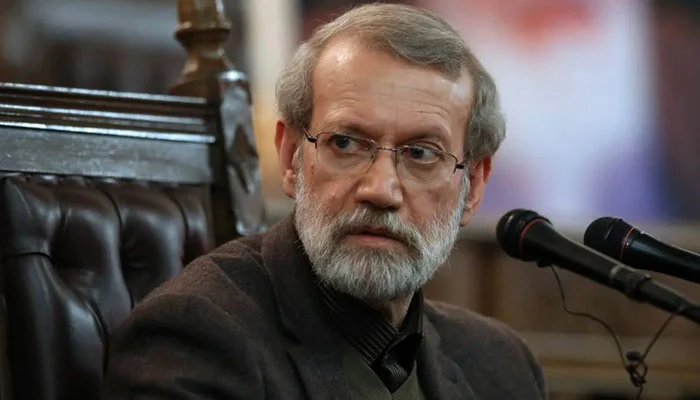
TEHRAN: Ali Larijani, the head of Iran’s National Security Council who was martyred in recent Israeli attacks, was among the most significant political figures to emerge in the Islamic Republic after the 1979 revolution, belonging to one of Iran’s most powerful religious and political families. Born in the holy city of Najaf, Iraq, Larijani rose through the ranks after joining the Islamic Revolutionary Guards Corps, eventually securing a prominent position within the establishment.
Throughout his decades-long career, Larijani played an influential role in Iran’s domestic politics, parliament, and foreign policy, shaping the country’s direction through multiple critical junctures. He remained active in presidential politics as well, emerging as a key candidate in several presidential elections and maintaining a visible presence in the country’s competitive factional landscape.
Larijani served as Speaker of Parliament for twelve years, leading the Majlis through turbulent periods and earning respect even from political rivals for his parliamentary acumen. He also held the crucial position of Iran’s chief nuclear negotiator, representing the country in sensitive talks with world powers over its atomic program and demonstrating Tehran’s negotiating stance on the international stage.
Considered a conservative yet relatively moderate voice within Iran’s political spectrum, Larijani was known for pragmatic approaches to both domestic governance and foreign relations. His death marks the loss of one of Iran’s most experienced statesmen, with analysts suggesting his passing could impact both the security establishment’s decision-making and the delicate balance between hardline and moderate factions within the Islamic Republic’s power structure.
