





By Asghar Ali Mubarak
ISLAMABAD: President Donald Trump called on Tuesday for an immediate halt to military strikes on Iran. His words echoed the quiet diplomatic push by Pakistan, Turkey, and Egypt. These nations worked behind the scenes to cool tensions in the Middle East.
Sources close to the matter revealed intense exchanges. Over the past two days, messages flew between the US and Iran. The goal stayed clear: avert full-scale conflict. Stabilize the volatile region. Pakistan led the charge with back-channel talks. Turkey and Egypt lent strong support.
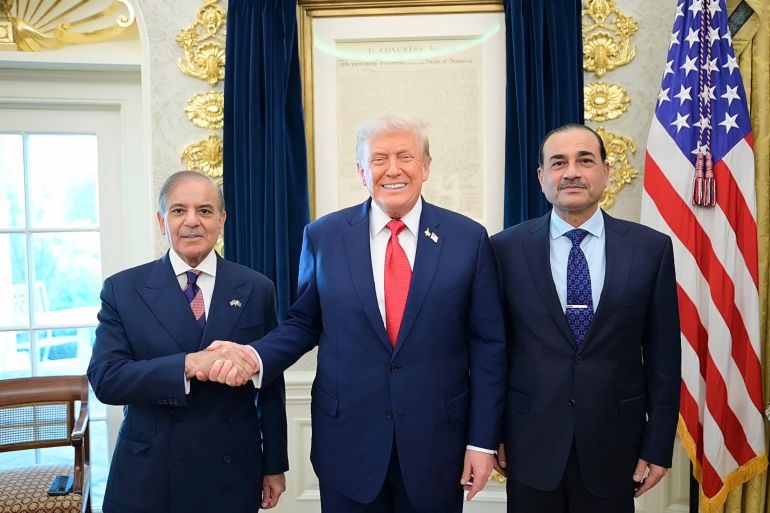
Prime Minister Shehbaz Sharif took the front seat. He steered Pakistan’s efforts with steady resolve. Field Marshal Asim Munir backed him up. The army chief handled strategic contacts. Their focus fixed on peace. No room for escalation.
Analysts praised the coordination. Key powers chose dialogue over bombs. Pakistan’s balanced approach drew nods from all sides. It showed maturity in a crisis. Trump’s statement aligned perfectly. He urged restraint just as the trio’s work bore fruit.
The Middle East simmered for weeks. Strikes rattled nerves. Iran faced pressure. The US weighed options. Then came this pivot. Pakistan’s role stood out. Islamabad built bridges long ignored. Sharif’s government acted fast. Munir’s military channels proved vital.
Diplomats in three capitals huddled late into the night. Messages crossed borders in secret. Tehran listened. Washington paused. No blood spilled yet. Praise flowed from think tanks in London and Delhi.
“A masterclass in shuttle diplomacy,” one expert said. This came amid broader chaos. Protests rocked Tehran streets. Oil prices spiked. Markets trembled. Pakistan positioned itself as peacemaker. Sharif spoke of unity.
