





Foreign Office remained tight-lipped on a fresh peace initiative, while the army chief engaged in high-level talks with international and Iranian envoys, signalling cautious momentum in the unfolding diplomatic process
By Uzma Ehtasham
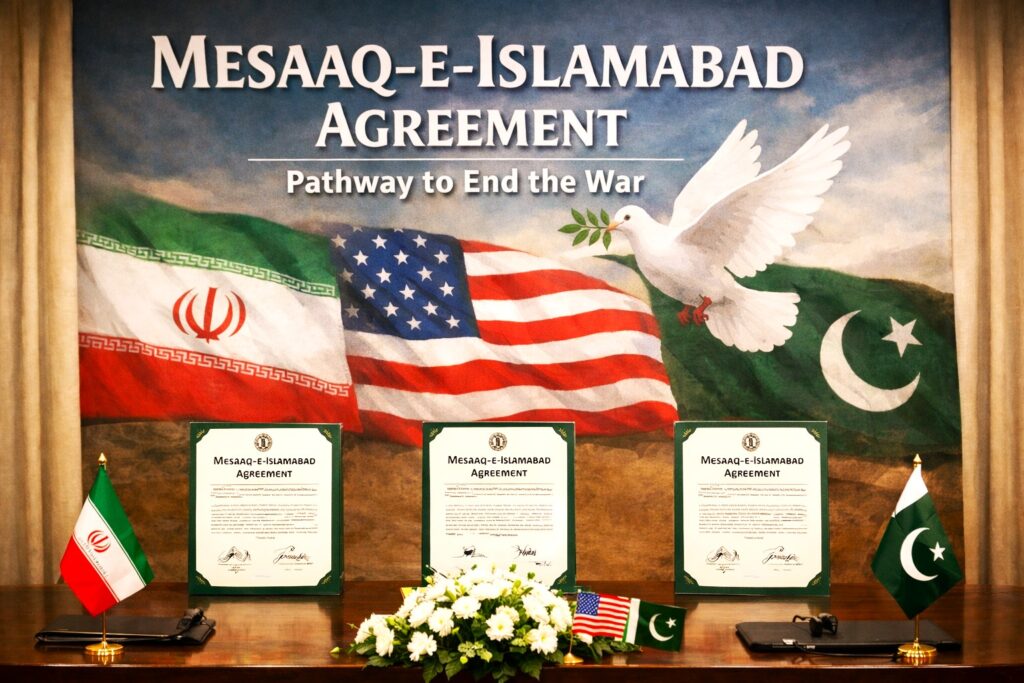
ISLAMABAD: Iran and the United States received a plan ‘Mesaaq-e-Islamabad’ drafted by Pakistan to halt ongoing hostilities, offering a potential pathway to reopen the Strait of Hormuz, according to a source familiar with the matter. The proposal, shared with both capitals late on Sunday, outlined a two-tier approach that began with an immediate ceasefire and envisaged a broader, comprehensive settlement to follow.
The source described ‘Mesaaq-e-Islamabad’ as a carefully structured framework, with the initial understanding expected to take the form of a memorandum of understanding. This document, designed to be finalized electronically, positioned Pakistan as the sole communication channel in the delicate negotiations. “All elements need to be agreed today,” the source said, highlighting the urgency of a deal that could quickly stabilize the region.
Reports first emerged on Sunday through Axios that Pakistan, together with other regional mediators, had been engaged in intense diplomacy aimed at brokering a potential 45-day ceasefire between Tehran and Washington. Officials hoped this temporary arrangement could pave the way for a permanent resolution to the conflict, which has threatened global energy supplies.
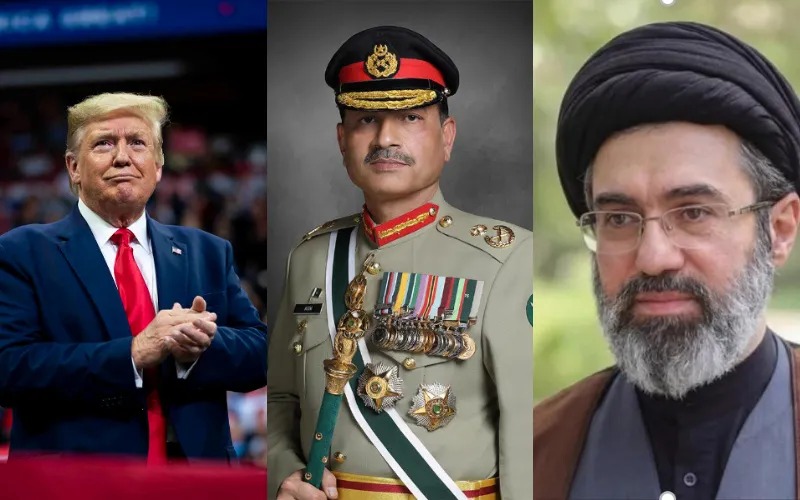
The source told media that Chief of Army Staff and Chief of Defence Forces Field Marshal Asim Munir has maintained continuous contact throughout the night with US Vice President JD Vance, Special Envoy Steve Witkoff, and Iranian Foreign Minister Abbas Araghchi. Under the ‘Mesaaq-e-Islamabad’, the ceasefire would take effect immediately, allowing for the safe passage of vessels through the Strait of Hormuz.
Tentatively called the ‘Mesaaq-e-Islamabad,’ the plan also envisaged a regional framework governing the strait, with final in-person discussions scheduled in the Pakistani capital. However, Iranian officials remained cautious. A senior Iranian source told Reuters that Tehran had received Pakistan’s proposal but would not accept pressure to adhere to strict deadlines or agree to temporary measures.
Officials insisted that any reopening of the strait would require guarantees for a permanent ceasefire, coupled with security assurances against future attacks by the United States or Israel. Negotiators also discussed potential concessions, including Iran’s commitment to refrain from pursuing nuclear weapons in exchange for sanctions relief and access to frozen assets.
Yet, as of Monday, Iran had not formally responded to the proposals, despite sustained diplomatic outreach by Pakistan, China, and the United States. Pakistan’s Foreign Office spokesperson, Tahir Andrabi, declined to confirm the details, stating that the peace process remained ongoing and that Islamabad did not comment on individual reports.
The latest diplomatic efforts emerged against a backdrop of escalating violence and mounting concern over disruptions to one of the world’s most critical oil transit routes. US President Donald Trump had recently urged a rapid resolution, warning of serious consequences should a ceasefire not be secured. Energy markets responded with heightened volatility, closely tracking any developments that could affect the flow of oil through the strait.
