





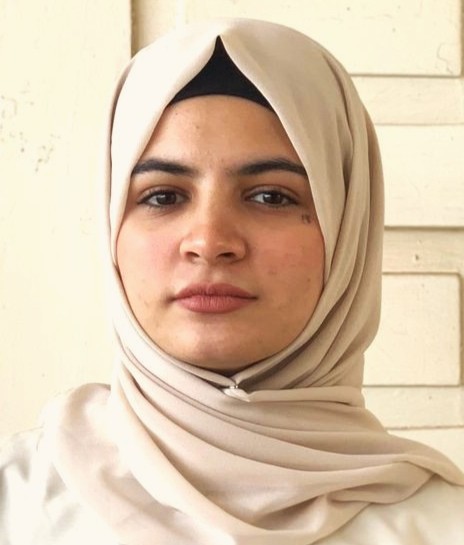
By Aliza Abbas
For nearly two centuries, the Monroe Doctrine has lingered over Latin America like a ghost that never quite left the room. First proclaimed in 1823 as a warning against European colonial interference in the Americas, it gradually evolved into something far more muscular: a justification for Washington’s repeated interventions across its southern neighborhood. From Guatemala to Panama, from Chile to Nicaragua, the doctrine became less about defending sovereignty and more about defining who was allowed to exercise it. Now, with the dramatic American intervention in Venezuela and the capture of Nicolás Maduro on narcoterrorism charges, the doctrine has returned in a new and unmistakably aggressive form.
The events of early 2026 have sent shockwaves through the international order. US special forces entered Caracas, Maduro was flown to New York to face federal prosecution, and Washington quickly moved to reopen diplomatic channels and facilitate foreign investment into Venezuela’s shattered oil industry. American officials have framed the operation as both a law-enforcement action and a strategic necessity. The White House argues that Venezuela under Maduro had become a hub for organized crime, cocaine trafficking and geopolitical alliances hostile to US interests, particularly with Russia and Iran.
Yet beyond the courtroom language and security rhetoric lies a deeper reality. The United States has once again asserted its willingness to determine political outcomes in Latin America through force when economic pressure and diplomatic isolation fail to achieve the desired result. Whatever one thinks of Maduro’s authoritarian rule, the precedent established by his removal carries profound implications for international law and regional sovereignty.
Maduro was hardly an innocent victim of foreign aggression. His government presided over one of the worst economic collapses in modern Latin American history. Millions of Venezuelans fled the country as inflation spiraled, institutions deteriorated and political dissent was crushed. Corruption became systemic, while allegations of links between state officials and criminal trafficking networks persisted for years. Even many Venezuelans who despised US intervention had long lost faith in Maduro’s leadership.
But history has taught Latin America to distrust the motives of Washington, even when American policy appears aligned with democratic language. The memory of US-backed coups, covert operations and economic manipulation remains deeply embedded across the region. This is why the intervention in Venezuela has generated unease far beyond Caracas. Critics fear that the United States has normalized the idea that foreign leaders accused of criminality can simply be removed through military power if they fall sufficiently out of favor with Washington.
There is also the unavoidable question of oil. Venezuela possesses some of the world’s largest proven crude reserves, yet years of sanctions, underinvestment and political chaos crippled production. With global energy markets facing continuing instability, Washington’s rapid push to restore Venezuela’s petroleum infrastructure has fueled suspicions that strategic resource interests remain central to American policy. The language of democracy promotion may dominate official speeches, but geopolitics and energy security continue to shape the underlying calculations.
For Venezuela itself, the future remains deeply uncertain. The country now stands suspended between reconstruction and dependency. American investment may revive parts of the economy and stabilize oil exports, but no amount of foreign capital can rebuild national legitimacy overnight. A government perceived as imposed or protected by Washington will struggle to escape accusations of foreign tutelage.
Ultimately, Venezuela’s crisis was never solely about Maduro. It was about the collapse of institutions, the corrosion of democracy and the vulnerability of resource-rich states caught between domestic failure and international ambition. The tragedy is that Venezuelans now face yet another chapter in which their country’s destiny appears shaped as much in Washington as in Caracas.
(The writer is a student of political science at University of Karachi, has keen interest in national and international politics. She can be reached at editorial@metro-morning.com)
