





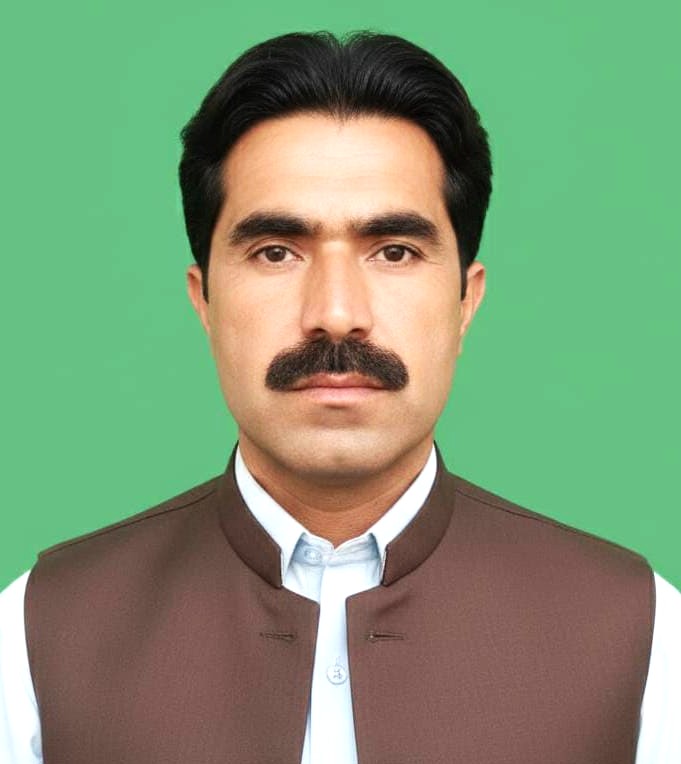
By Zardad Wazir
For decades, Pakistan’s tribal districts have occupied a central role in the country’s political landscape, yet they have often remained on the margins of governance and development. Among these, Lower South Waziristan has long been emblematic of both strategic importance and persistent neglect. Isolated by rugged terrain and fraught with security challenges, the region has endured cycles of political promises that rarely translated into tangible improvements. Now, a new chapter appears to be unfolding. Pakistan Tehreek-e-Insaf (PTI), once hailed as a force of renewal and reform, is undertaking what observers describe as a substantial reorganization in the district.
Central to this transformation is the formation of what is being called the “Mother Body” cabinet, a move that has ignited hope among party workers, youth, intellectuals, and tribal elders alike. The need for change is hardly surprising. South Waziristan has historically been a challenging political arena, where local grievances are as complex as the mountainous landscape itself. Chronic underdevelopment, limited access to education and healthcare, and a lack of meaningful economic opportunities have shaped public sentiment for decades. In this context, the PTI’s leadership appears determined to modernize its structure in the district, bringing forward figures who are not only active and popular but also perceived as genuinely committed to public service.
Party insiders suggest that the initiative aims to restore both the organization’s credibility and its connection with the grassroots, addressing long-standing frustrations among workers who have often felt overlooked. The shift is being welcomed as more than an internal party adjustment. It is, for many, a signal of renewal—a chance to inject the political landscape with merit-based leadership rather than entrenched patronage. Intellectuals in South Waziristan describe the move as a process of “political cleansing,” emphasizing that merit, loyalty, and a spirit of service are guiding the selection of new office-bearers. The hope is that these leaders will end factionalism, re-establish party discipline, and engage directly with the public, spreading both Imran Khan’s vision and the broader PTI manifesto.
Among the district’s youth and educated classes, the response has been particularly positive. For years, many young people have expressed fatigue with traditional politics, frustrated by promises that seldom materialize. Local reports indicate that these communities now see in the reorganization a chance to have their concerns—especially around education, employment, and development—taken seriously. One tribal elder commented, “The people of South Waziristan are now awake. We need leaders who can be our voice in the halls of Islamabad and Peshawar. This reorganization will prove that PTI is truly the people’s party.”
Yet optimism is tempered by past disappointments. Despite PTI’s strong electoral performance in Lower South Waziristan, winning both National and Provincial Assembly seats in the last general elections, the party’s record has left many voters disillusioned. Two years in power have done little to resolve the pressing problems of the district. Roads remain in disrepair, healthcare facilities are inadequate, schools are underfunded, and job creation remains minimal. For residents who expected immediate improvements, the gap between electoral promises and reality has been glaring. This tension is reflected in the growing public discourse, with many questioning why a party with influence at both provincial and federal levels has failed to deliver meaningful change.
Internal party debates have also left their mark on public perception. The process of ticket distribution during the last elections continues to be contentious, with longstanding party workers reportedly sidelined in favor of candidates chosen at the last minute. Observers and insiders alike suggest that political expediency—and in some cases opaque deals—shaped these decisions, eroding confidence in the party’s commitment to merit and transparency. The current reorganization can thus be seen as a corrective effort, a recognition that credibility must be rebuilt not only among voters but within the party itself.
(The writer is a journalist and social activist at northern part of Pakistan, can be reached at editorial@metro-morning.com)
