





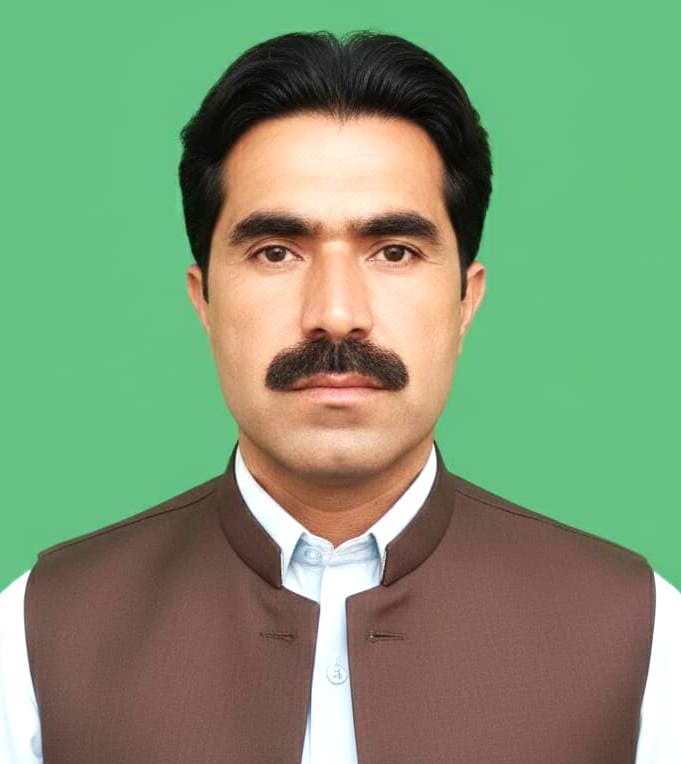
By Zardad Wazir
The Jamiat Ulema-e-Islam (JUI) is navigating one of the most arduous chapters in its history. The tragic events that have befallen the party over the past year are a cause for national concern. They reflect not only the challenges of a single organization but the fragility of political life itself in a climate of recurring violence. The repeated targeting of religious and political leadership is a disturbing trend that cannot be ignored. The martyrdom of former District Amir Maulana Mirza Jan Wazir at the hands of unknown assailants robbed the party of an experienced and visionary leader. His death was not merely the loss of an individual; it was an attempt to silence a voice that represented his region, ideology, and commitment to peace.
While the wounds of that tragedy were still raw, the party’s Amir, Maulana Abdullah Nadeem Wazir, suffered serious injuries in a bomb blast while standing at the pulpit inside a mosque. His ongoing treatment in Multan has become a symbol of the leadership void within the party, highlighting both vulnerability and resilience. The string of tragedies continued in the first ten days of January, when Maulana Hafiz Sultan Mohammad Wazir was martyred in another targeted bomb attack. Maulana Hafiz Sultan was not just a party member; he was a prominent and respected public figure. His death raises uncomfortable questions about the apparent lapses in protecting the lives and property of political and religious leaders.
These attacks underline a harsh reality: political intolerance and violence have not been fully eradicated from the country. In any democratic society, suppressing dissent through violence is not only unconstitutional, it projects weakness rather than strength. At this critical juncture, the responsibility of leadership has largely fallen upon General Secretary Maulana Rafiuddin Wazir. With the Acting Amir, Maulana Jahangir Shakiwal, also battling heart disease, the weight of maintaining party cohesion, morale, and political activity has rested on his shoulders. It is a burden few could bear with patience and wisdom. Yet Maulana Rafiuddin has managed to keep the organization united, prevent splintering, and maintain continuity in its activities.
His leadership demonstrates that the true strength of any political or religious party lies not only in titles or positions but in resilience and the ability to persevere under extreme pressure. The history of the Jamiat Ulema-e-Islam is steeped in sacrifice. In every era, the party has faced hardships, opposition, and pressure, yet it has never compromised its ideological identity. Today, it finds itself tested by the same harsh realities. What matters most is not the severity of circumstances, but how the leadership and workers respond. Practical, steady action, rather than emotional rhetoric, will carry forward the mission of the martyrs. The state and its institutions also bear a responsibility.
Impartial and transparent investigations into these incidents are essential. Protecting political and religious leadership, as well as the public at large, is a fundamental duty. Failure to do so undermines not only the rule of law but the very principles of democracy. If those responsible are not held accountable, the cycle of violence could escalate further, threatening the wider political system. Attempts to weaken a major political and religious platform like JUI amount to attacks on the political process itself. Differences and disputes should be resolved through dialogue, negotiation, and democratic means, not through bomb blasts and targeted killings. Violence as a tool of politics erodes trust, spreads fear, and ultimately harms society as a whole.
The current crossroads for JUI is both a test and an opportunity. While the pressure on Maulana Rafiuddin Wazir is immense, it is also a chance to consolidate leadership, strengthen organizational structure, and mobilize the party for meaningful political engagement. Carrying forward the legacy of the martyrs requires steady, practical effort rather than slogans or symbolic gestures. Leadership under such conditions is measured not by words but by the ability to unite, organize, and act with purpose. This moment is not solely about one party; it is a reflection of the broader political system. If the sacrifices of leaders are not taken seriously, the cycle of violence may expand.
(The writer is a journalist and social activist at northern part of Pakistan, can be reached at editorial@metro-morning.com)
