





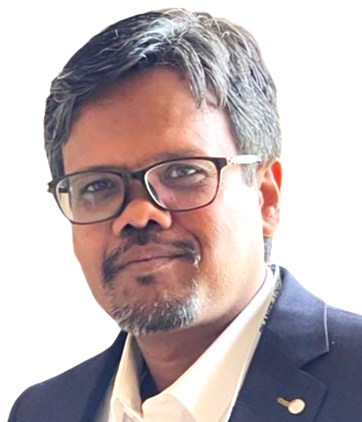
By S.M. Inam
The cost of living in Pakistan is rising at a pace that few can comfortably bear, and the latest data from the Pakistan Bureau of Statistics underscores just how severe the situation has become. Basic health services have grown more than seven percent more expensive over the past year, while education, a fundamental pillar of any progressive society, has surged by over ten percent. Housing, water, electricity, gas, and fuel are all inflating at 7.29 percent, with food prices climbing 7.53 percent. Perishable items, essential to daily nutrition, have been hit hardest, soaring nearly twenty percent, and even clothing and footwear have increased by more than six percent.
For ordinary families, these numbers are not just statistics—they are daily struggles, a tangible reflection of the widening gulf between aspiration and affordability. In a welfare-oriented democracy, access to essential services such as healthcare and education is more than a policy choice; it is a moral and constitutional duty. In Pakistan, a country founded as an Islamic republic, this obligation carries even greater weight. The state’s role is not simply to govern, but to ensure that every citizen can live with dignity and security. Yet for most Pakistanis, the reality is far from this ideal. Affordable or free healthcare remains largely inaccessible, and quality education comes at a cost many cannot shoulder.
Each year, as expenses rise and salaries stagnate, the promise of state-supported welfare appears increasingly hollow. The crisis is not confined to health and education. Inflation ripples through every aspect of daily life, from the cost of basic utilities to the price of food and clothing. Citizens are told that the economy is “gaining strength” or approaching a new “take-off,” yet these claims are largely invisible to those who cannot make ends meet. While ministers, bureaucrats, and parliamentarians enjoy ballooning allowances, sometimes rising several hundred percent, the salaries of public-sector workers—the backbone of the state—grow only modestly. The contrast is stark: a small elite thrives while the majority strains under the weight of rising prices.
Energy costs, particularly electricity, petroleum, and gas, remain central to the inflationary spiral. Electricity tariffs rarely decline even when production costs fall, and petroleum and gas prices fluctuate unpredictably, leaving households vulnerable to sudden spikes. Inflation does not simply reflect market dynamics; it exposes structural flaws in governance, regulatory weakness, and the unchecked influence of vested interests. When prices rise, the burden falls almost exclusively on ordinary citizens, and when they fall, relief rarely reaches those most in need. In this sense, inflation is not a neutral economic force but a reflection of persistent inequality and the disproportionate power of elites.
The past three to four years have seen a near doubling of utility prices under successive governments, regardless of political party. This trajectory demonstrates that inflation is not merely an economic anomaly but a systemic issue, deeply embedded in policy choices, governance failures, and corruption. Reports from international organizations highlight the scale of the problem. The United Nations estimates that Pakistan spends approximately $17.5 billion annually on privileges for the elite—funds that could otherwise provide significant relief for ordinary citizens. A domestic government committee calculated that eliminating unnecessary expenditures alone could save one trillion rupees in a single year, a sum equivalent to one thousand billion rupees, enough to make a meaningful difference in public services and infrastructure.
Yet despite these figures, government narratives often remain detached from lived realities. Statements about economic growth or prosperity ring hollow when households struggle to buy essentials. Daily life for millions has become an exercise in endurance, where every rupee must stretch further and every fluctuation in price threatens to destabilise fragile budgets. Families cut corners, forego opportunities for their children, and compromise on health, all in an attempt to survive within a system that has, in many ways, abandoned them.
The challenge is both structural and ethical. True relief cannot be achieved through temporary subsidies or ad hoc interventions. It requires a comprehensive approach: an end to corruption, strict controls on government expenditure, and a radical rebalancing of privileges so that the majority, not a small elite, benefits from state resources. Policies must be grounded in reality, addressing not just the symptoms of inflation but its underlying causes. Only then can Pakistan begin to bridge the yawning gap between official rhetoric and the economic realities faced by its citizens.
(The writer is a former government officer and a senior analyst on national and international affairs, can be reached at inam@metro-morning.com)
#CostOfLivingPakistan #InflationCrisis #RisingPrices #EconomicInequality #PublicWelfare #HealthcareCosts #EducationCosts #UtilityPrices #StructuralReform #EconomicJustice #CitizenStruggles #AccountableGovernance #EliteVsPeople #AffordableLiving #PakistanEconomy
