





By Aslam Shah
KARACHI: The Karachi Water and Sewerage Services Improvement Project (KWSSIP), backed by the World Bank, is under fresh scrutiny amid allegations of financial irregularities, mismanagement, and a refusal by the current Project Director to investigate former senior officials.
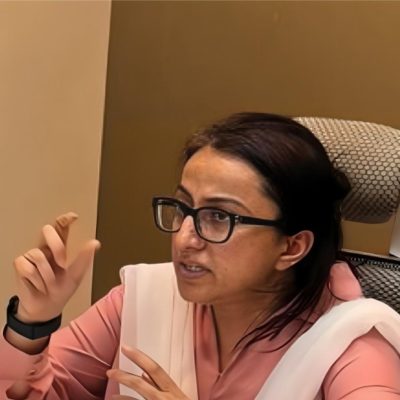
Sources allege that Project Director Ayesha Hamid has declined to authorize inquiries into former Project Director Usman Moazzam and associates, including Shakeel Qureshi and Muhammad Asif Khan. The transfers of these influential officers have sparked unrest within KWSSIP and the Karachi Water and Sewerage Corporation (KWSC).
Critics claim that nearly 50% of the Rs 672 billion allocated for reform and infrastructure initiatives has been spent without delivering measurable improvements in water supply, sewerage rehabilitation, or service quality for Karachi’s 35 million residents. The project’s completion, initially slated for 2024, has been extended to May 2026.
Allegations of conflict of interest, non-transparent procurement—including bulk flow meters, luxury foreign trips, and advisory contracts—and incomplete reform objectives have raised concerns among stakeholders. Observers warn that institutional opacity may jeopardize future international financing.
Civic representatives are calling for a high-level inquiry to audit financial decisions, quantify taxpayer losses, and hold responsible officials accountable, highlighting urgent questions about governance, fiscal discipline, and transparency in one of Pakistan’s largest urban reform projects.
#KWSSIP #KarachiWater #KWSC #WorldBankProject #FinancialIrregularities #Mismanagement #Transparency #Accountability #PublicFunds #WaterCrisis #Karachi #Governance #AuditDemand #ProcurementIssues #InstitutionalReform #Infrastructure #UrbanDevelopment #TaxpayersMoney #ProjectDelay #ServiceDelivery #CivicConcerns #AntiCorruption #PakistanNews
