





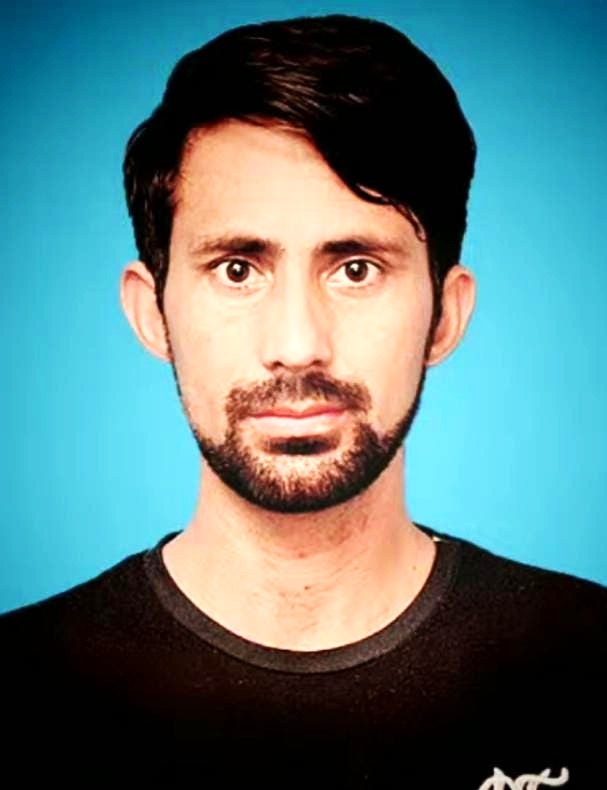
By Shakeel Hussain
Classical literature endures because it speaks to struggles that never truly vanish, echoing through the lives of successive generations. One such work, Derek Walcott’s Dream on Monkey Mountain, offers more than drama; it offers insight into the persistent human pursuit of dignity, identity, and liberation. Written in the post-colonial Caribbean, the play explores the psychological and social dimensions of oppression, and yet its themes remain strikingly relevant today. When read alongside the contemporary realities of Venezuela, Walcott’s work becomes a lens through which we can perceive how ordinary people navigate the pressures of social, economic, and political life, reminding us that the human condition transcends time and geography.
History and literature endure because they continuously shape human understanding, offering lessons drawn not merely from events, but from lived experience and reflection. History is more than a sequence of dates and battles; it persists in memory, in stories handed down through generations, in the emotions and struggles that color collective consciousness. Literature, conversely, evokes empathy, allowing readers to inhabit the lives of others, to feel the uncertainty, fear, hope, and triumph that shape human existence. Together, history and literature create a living dialogue, a conversation between past and present that illuminates enduring truths.
In Dream on Monkey Mountain, Walcott centers the narrative on Makak, a man whose sense of self and dignity is constrained by an oppressive society. Makak’s journey is at once physical, symbolic, and profoundly psychological. At the play’s outset, he exists in a state of humiliation, treated as less than human, both by others and by the structures that define his world. Through a dream, however, he confronts the forces that diminish him and experiences a symbolic transformation that carries universal significance: liberation, Walcott suggests, begins from within. When external powers erode human integrity, the reclamation of selfhood is the first and most vital act of resistance.
This theme resonates powerfully when placed alongside Venezuela’s modern struggles. Citizens there face economic upheaval, political instability, and social pressures that profoundly shape everyday life. Years of hyperinflation, shortages of basic goods, and contentious governance have made the exercise of hope, autonomy, and dignity a daily challenge. Like Makak, Venezuelans navigate uncertainty and institutional constraints that test both individual and collective identity. In such circumstances, maintaining self-respect becomes a moral and social act of resistance.
Makak’s dreams are not idle fantasies; they are acts of defiance. They confront imposed narratives and reclaim a sense of agency. Similarly, communities under duress rely on imagination, hope, and collective solidarity to endure. In Venezuela, civic engagement, grassroots initiatives, and the continued celebration of cultural identity demonstrate that even amid structural adversity, people refuse to surrender their humanity. Community support networks, public debates on political reform, and acts of everyday resilience embody this persistent pursuit of liberation, mirroring the symbolic journey that Walcott’s protagonist undertakes.
The play also delves into the psychological dimensions of oppression. Walcott shows that domination is not only political or economic but deeply emotional and symbolic. Humiliation erodes self-confidence, obscures possibility, and makes resistance more difficult. Venezuela’s human story parallels this insight. Beyond economic turmoil and political uncertainty, citizens have endured emotional strain, displacement, and fear. Yet even in such conditions, the human spirit continues to seek pathways that affirm dignity and hope. Literature, in this sense, provides both recognition and guidance: it reminds us that resilience is not merely survival, but the preservation of integrity, imagination, and agency under structural pressure.
Identity, another central theme, links Walcott’s work to contemporary Venezuela. At first, Makak struggles to name himself, reflecting how oppression can fracture self-perception and obscure individuality. Venezuelans, too, face a collective identity challenge: external narratives often reduce them to crises, scarcity, or corruption. Yet identity remains a domain of resistance. Cultural traditions, storytelling, and civic engagement preserve continuity and reaffirm humanity even in moments of instability. The act of self-definition, both personal and communal, becomes a site of liberation, echoing Makak’s realization of his true self and the transformation it catalyses.
(The writer is a university student and puts his views on various topics, can be reached at editorial@metro-morning.com)
