





News Desk
TEHRAN: Explosions were reported across Iran late on Friday after Israel, backed by the United States, launched what Washington described as large-scale military operations against the country.
The US president, Donald Trump, confirmed that American forces were involved in the assault alongside Israel. In a statement posted on Truth Social, he said the US had begun “major and decisive military operations” inside Iran.
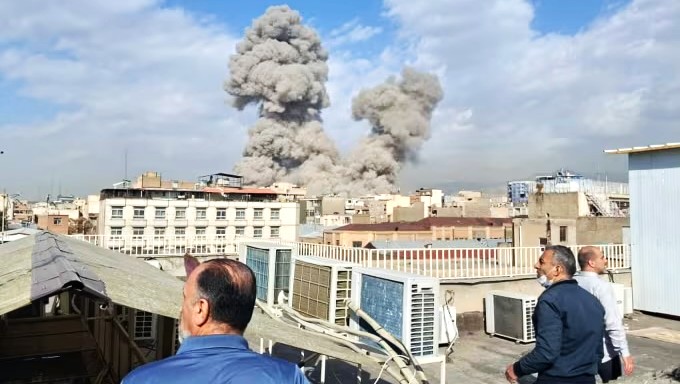
Iranian media reported blasts not only in the capital, Tehran, but also in several other cities, including Kermanshah, Qom, Lorestan, Karaj and Tabriz. The scale of the damage and the number of casualties were not immediately clear.
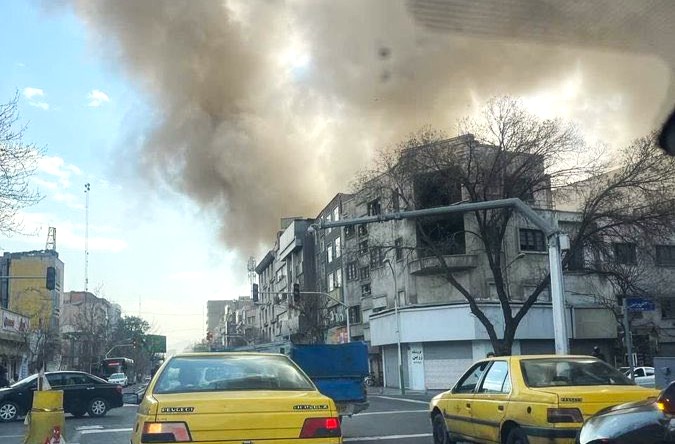
Iran’s health ministry said hospitals across the country had been placed on emergency footing. In a brief statement, officials said medical centres were prepared for any contingency and that confirmed figures on the injured would be released once verified. Emergency protocols, it added, had been activated nationwide.
In his online remarks, Trump accused Iran of attempting to revive its nuclear programme and of developing long-range missiles that could threaten US allies and European partners. He described the Iranian government as a “brutal and extremist dictatorship” and said the operation was intended to prevent it from posing a direct threat to the United States.
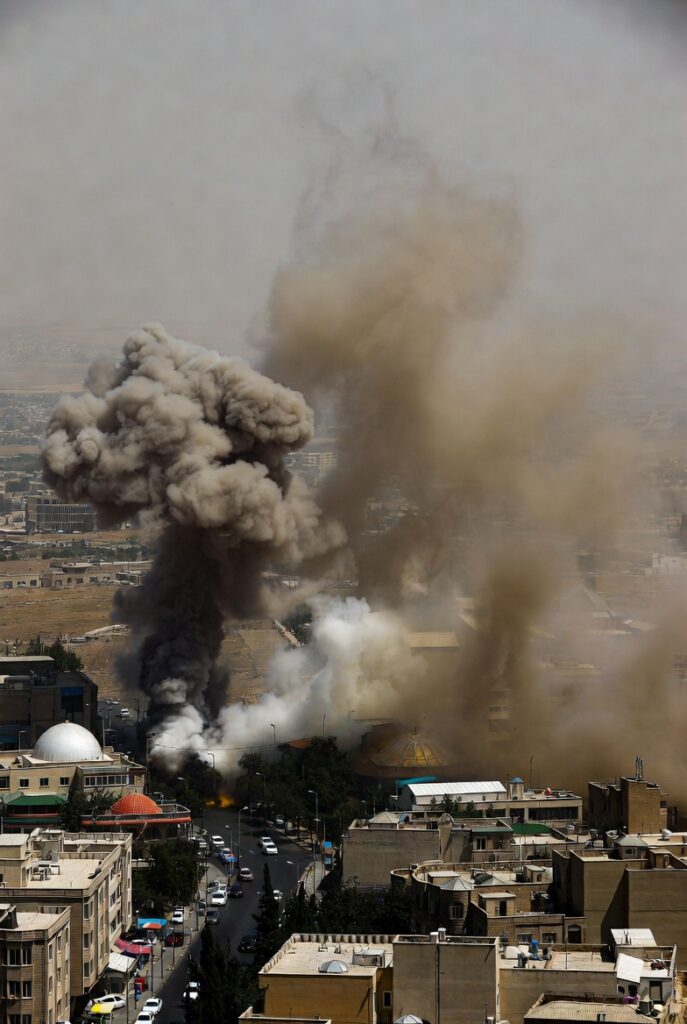
Iranian officials responded swiftly. Ibrahim Azizi, head of the national security commission in Iran’s parliament, issued a warning on social media directed at both Washington and Tel Aviv. “We warned you,” he wrote. “You have chosen a path whose consequences will no longer be in your control.”
Tehran had previously cautioned that any attack on its territory would risk engulfing the wider region in war, heightening fears that the latest escalation could spill beyond Iran’s borders.
In a further sign of disruption, an Iranian news agency said its website had been hacked following the strikes. The agency confirmed the cyber-attack and said technical teams were working to restore services.
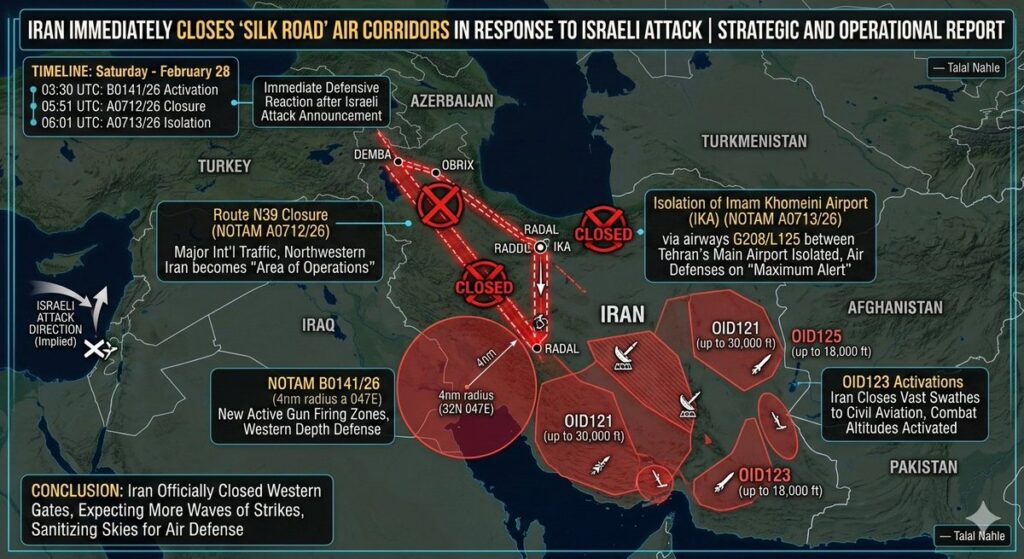
Neighbouring Iraq announced it was closing its airspace in response to the unfolding crisis. According to Iraq’s state news agency, the decision was taken shortly after the Israeli strikes began, as a precautionary measure amid growing instability.
The attacks come after days of uncertainty over Washington’s intentions. On Friday, Trump had said the US had not made a “final decision” on striking Iran, though he made clear he was dissatisfied with Tehran’s position in ongoing talks. “They’re not giving us what we need,” he said, insisting that Iran “cannot have a nuclear weapon”.
Indirect bilateral talks had taken place earlier in the week in Geneva, where both sides signalled tentative progress towards a possible agreement on Iran’s nuclear programme. The US has been pressing for a new deal that would impose tighter restrictions, while Iran has sought relief from sanctions.
Speaking to reporters on the lawn of the White House, Trump acknowledged the risks of further escalation. Tensions in the Middle East, he said, always carry the danger of turning into a prolonged conflict. “When there’s war,” he added, “there are possibilities for good and bad.”
For now, much remains uncertain: the extent of the military campaign, the likely Iranian response and whether the region is on the brink of a wider confrontation. What is clear is that a long-simmering standoff has entered a far more dangerous phase.
