





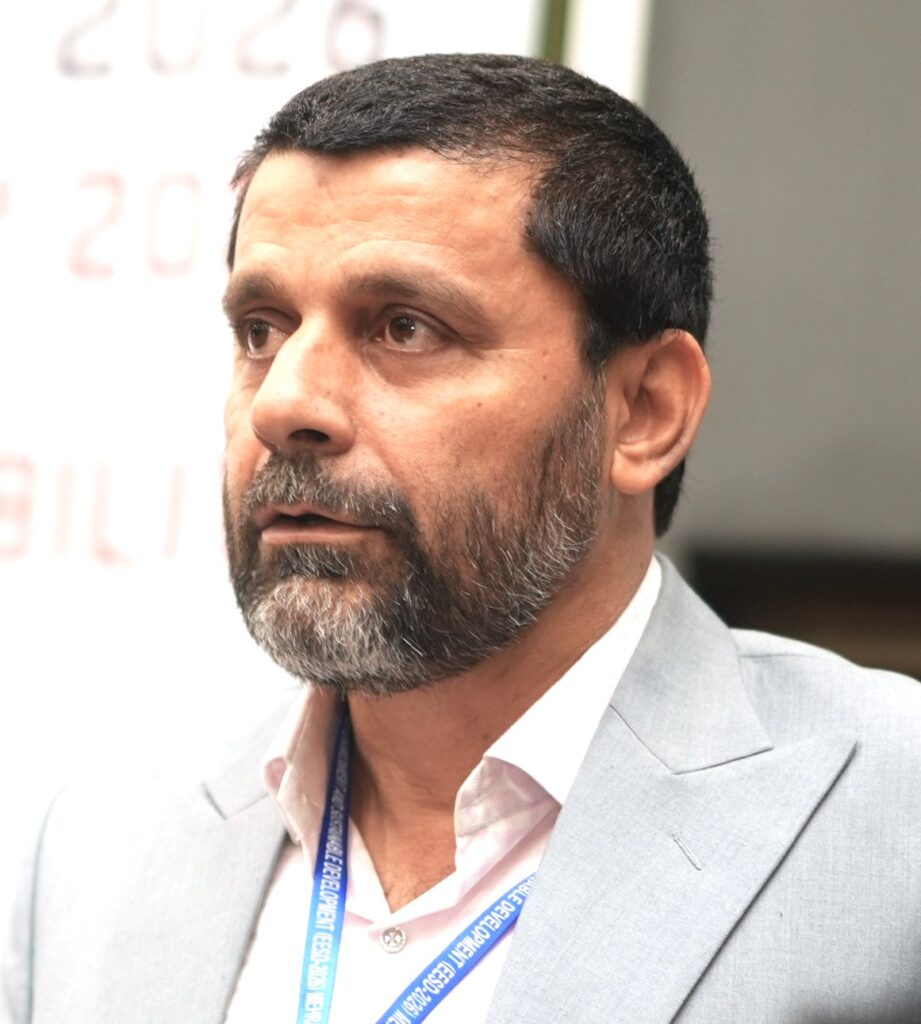
By Dr. Tanweer Hussain
Pakistan hosts a vast network of engineering institutions regulated by the Higher Education Commission and the Pakistan Engineering Council. While this rapid expansion has increased access to education, most of these universities grapple with systemic challenges that compromise both educational quality and graduate outcomes. Key internal issues include a shortage of faculty with industry experience, inadequate laboratory facilities, insufficient technical staff support for practical coursework, and outdated curricula. Collectively, these factors produce a surplus of graduates who lack practical knowledge and industry readiness. This academic shortfall is compounded by a lack of industrial support for academia, driven primarily by external economic pressures.
Facing prohibitive taxation policies and high energy costs, local industries are forced to prioritize their own survival over academic collaboration, which ultimately worsens the employment crisis for new graduates. Besides many reasons for the decline of engineering education in Pakistan, the author in this article highlights a few factors linked to the policies of the Higher Education Commission and the Pakistan Engineering Council. In the last decade, the implementation of the Higher Education Commission policy mandating a minimum of an eighteen-year master’s degree for university lecturer appointments has profoundly impacted faculty quality in Pakistani universities. Previously, the brightest engineering minds naturally transitioned into university teaching roles immediately after completing their bachelor’s degrees.
The new policy has entirely disrupted this talent pipeline. Top-tier graduates often cannot afford the financial delay of pursuing a master’s degree and instead choose lucrative corporate careers that offer immediate financial independence. As a result, postgraduate programs are increasingly populated by below average students who pursue further education primarily because they could not secure industry employment. When universities recruit from this resulting talent pool, they acquire faculty members who are highly qualified on paper but deeply lack the exceptional competence of their predecessors. For engineering departments, this shift has been disastrous. Institutions are starved of brilliant and practically skilled engineers, settling instead for educators who merely meet regulatory requirements, thereby deeply compromising the entire educational ecosystem.
The bureaucratic burden on engineering universities was further compounded when the Pakistan Engineering Council mandated the outcome based education system. This decision placed immense pressure on institutions already struggling with the Higher Education Commission’s lecturer policies. Notably, the engineering schools of world-renowned universities like Oxford, Cambridge, and Imperial College London do not mandate this rigid framework. They maintain a traditional, research focused approach that avoids the unnecessarily heavy documentation required by the Washington Accord. In Pakistan, the outcome based education system forces faculty into an endless cycle of mapping course learning outcomes to program learning outcomes and institutional missions. This administrative overload restricts academic freedom, suppresses innovative teaching, and severely impacts faculty mental health.
Ironically, a system designed to improve practical knowledge has created so much paperwork that educators and students have less time than ever to focus on actual practical engineering. The intersection of these two policies – the mandatory eighteen-year education requirement for faculty and the stringent outcome based education framework – has devastated the overall quality of education. It has compromised the caliber of graduating engineers and decimated the talent pool available for academia. Consequently, current engineering professors often lack the practical competency required to resolve real world industrial challenges or serve as effective consultants for the national industrial sector. With over twenty-five years of combined teaching and industrial experience, the author issues an urgent call to action to save engineering education in Pakistan.
These are not new suggestions. The author previously proposed similar reforms to the Higher Education Commission in 2018 while serving as a representative for the Federation of All Pakistan Universities Academic Staff Association and later urged the Pakistan Engineering Council to act while serving as a program evaluator. Because past presentations to the governing bodies resulted in inaction, it is now imperative that policymakers implement immediate corrective measures before the academic system collapses. To alleviate the burden of administrative documentation, the Pakistan Engineering Council must relax the rigid outcome based education framework, granting institutions the autonomy to adopt it voluntarily. To ensure students acquire vital hands-on experience, the council should introduce a mandatory six to twelve month “trainee engineer” program for all students before graduation, mirroring the successful medical house job model.
Simultaneously, the Higher Education Commission must reform hiring practices to resolve the academic talent crisis. The commission should reinstate the sixteen-year education eligibility requirement for lecturers, firmly coupling it with a mandatory minimum of three years of active industrial experience to ensure practical teaching competency. To maintain high academic standards, these newly hired professionals must complete an eighteen-year master’s degree within five years of their appointment. Fulfilling this requirement would serve as a mandatory condition for job confirmation, and failure to comply would result in an immediate freeze on their annual financial increments. The author respectfully appeals to the apex authorities of both regulatory bodies to critically review these faculty appointment criteria and pedagogical frameworks to rescue the future of engineering in the nation.
(The writer is currently a faculty at Department of Mechanical Engineering, MUET Jamshoro and a renewable energy consultant advocating education, social rights and humanity. He can be reached at editorial@metro-morning.com)
