





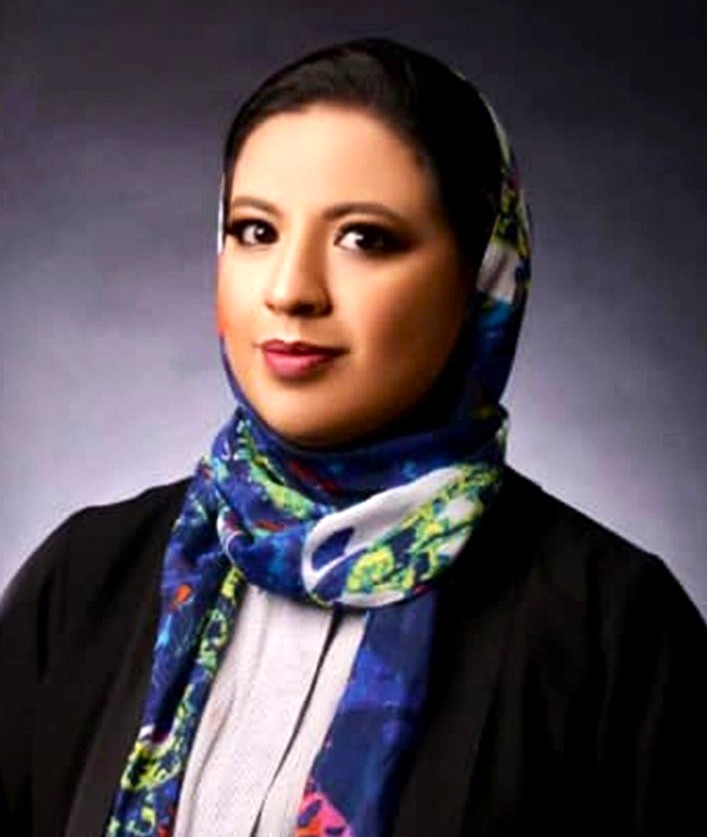
By Sarwat Shah
In the bustling noise of modern parenting and academic pressure, we often hear the phrase “holistic health”. We picture it as a perfect pie chart: eat your greens (physical health), focus on studies to secure good grades (academic health), get your eight hours of sleep (mental health) and make time for friends (social health). However, there is a profound, often overlooked slice of that pie — the one that gives meaning to all the others. At Khudi, we believe that true holistic health is incomplete without a fair share of spiritual health.
For years, we have dedicated ourselves to mental and emotional wellbeing through community projects and awareness. This Ramzan, through our webinar series, we are taking a deeper dive. We are revisiting the fundamental truth that defines our existence: our identity is our soul (rooh). Our body is merely the vessel that carries this soul through a temporary world, on a journey back to its Creator. And yet, if we examine where we invest our energy, the arithmetic is striking. We spend roughly 90% of our time and anxiety on physical health and academic achievement. We obsess over grades, extracurricular activities and organic food, but how much time do we dedicate to strengthening the passenger within the vessel?
As believers, we understand that life on earth is a trial (fitnah). We succeed by following the best practices prescribed by God — practices designed not only to discipline our bodies but to purify our souls. However, in our rush to equip our children for the “trials” of the world — exams, careers and social status — we often forget to equip their souls with the tools of resilience. We are not discussing spirituality in abstract terms; we are examining the mental and emotional resilience of the Prophets and historic Islamic figures. By narrating their journeys, we uncover a blueprint for spiritual strength.
When we speak of mental health, we speak of resilience in the face of trauma. When we speak of spiritual wellbeing, we consider how the soul remains intact when the world collapses around it. Consider Yusuf (AS). His was not a life of ease; it was a masterclass in emotional regulation.
The deceit: Thrown into a well by his own brothers. The psychological wound of familial betrayal runs deep, yet he maintained his trust in Allah.
The temptation: Resisting the advances of Al-Aziz’s wife required a strength that transcended physical discipline — it was spiritual integrity that saved him from psychological ruin.
The allegation: He was imprisoned for a crime he did not commit. In an age when we see wrongful imprisonment as a cause for lifelong bitterness, Yusuf (AS) turned the prison into a place of dawah and character-building.
If we view Yusuf’s life only as a religious story, we miss the point. As parents and teachers, we must see it as a case study in adolescent resilience. When our children face betrayal by friends, or the temptation to fit in at the cost of their values, the story of Yusuf (AS) provides the emotional vocabulary to navigate those feelings with grace. Our spiritual history is equally rich with the narratives of women whose resilience redefined survival. In our series, we highlight Hagar (AS) and Mary (AS). Hagar (AS) was left in the barren valley of Mecca with her infant son, Ismail. In modern terms, she was a single parent with no resources.
They need to know that the vessel — the body — may be bruised, but the soul, when connected to its Creator, remains unbreakable. Holistic health is not a checklist; it is a true and enduring balance. This Ramzan, let us rebalance the scales. Let us divert a fraction of that 90% of energy we spend on the physical and academic, and invest it in roohani falah. Join us in our webinar series as we explore these blessed lives. Let us learn how to guide our children — and ourselves — towards a resilience that is not merely skin-deep, but soul-deep. Because when the soul is at peace, the mind follows, and the body serves.
(The writer is a practicing integrative therapist, author, and motivational speaker, can be reached at editorial@metro-morning.com)
#Ramzan2026 #Parenting #MentalHealth #SpiritualHealth #HolisticLiving #MetroMorning
