





By Ahsan Mughal
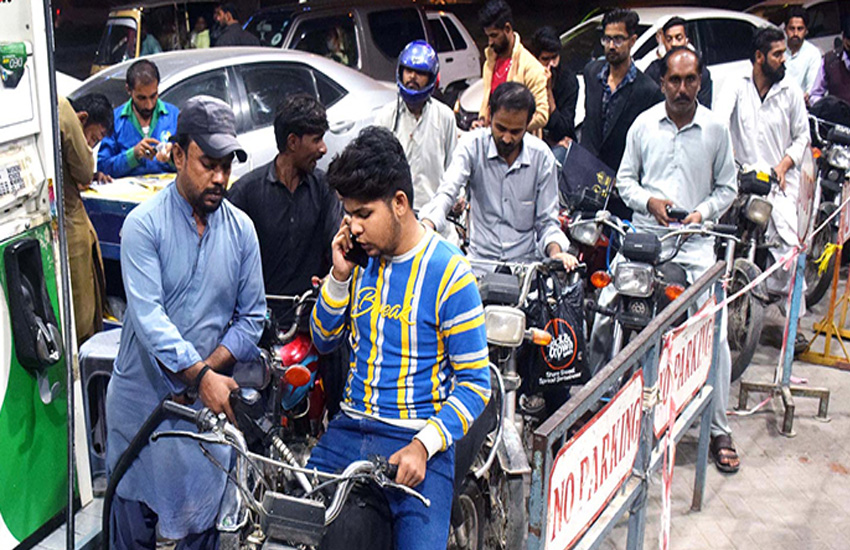
ISLAMABAD/KARACHI: Rising tensions in the Middle East are shaking global energy markets, pushing petrol and diesel prices upward and raising fears of a sharp increase in Pakistan in the coming days. Sources indicate that petrol prices in Pakistan may rise by up to Rs32 per liter by March 15, with high-speed diesel (HSD) expected to see an increase of more than Rs50 per liter.
More details: https://metro-morning.com/pakistan-considers-weekly-fuel-price-reviews-amid-middle-east-tensions/
The conflict in the region has triggered a surge in international oil prices, affecting petroleum markets worldwide. According to analysts, continued instability in the Middle East could further disrupt oil supply routes, putting additional upward pressure on fuel prices in Pakistan.
Petrol ex-refinery prices in Pakistan are projected to jump from Rs153.50 per liter to Rs186.47 per liter, reflecting an increase of approximately Rs32 per liter. The rise is directly linked to global crude price trends, which show international petrol rates climbing from $79.14 per barrel to $97.92 per barrel. Diesel prices are similarly impacted, with global diesel projected to surge from $93.2 per barrel to $138 per barrel, prompting corresponding hikes in ex-refinery diesel rates in Pakistan.
More details: https://metro-morning.com/two-injured-as-roof-collapses-at-mehar-hospital/
The anticipated increases are expected to affect retail fuel prices, putting pressure on consumers across the country. Diesel fuel, which is heavily used in transportation, logistics, and industrial sectors, could see widespread economic repercussions. Rising diesel costs would likely increase freight charges, transportation fares, and the cost of goods, thereby amplifying inflationary pressures.
Energy experts emphasize that petrol and diesel prices play a critical role in Pakistan’s economic activity. Any significant rise in fuel prices could impact daily commuting, food distribution, and overall cost of living. The government is reportedly reviewing fuel pricing mechanisms, including weekly assessments, to mitigate the impact on consumers and manage supply continuity amid the volatile international energy market.
The unfolding situation underscores Pakistan’s vulnerability as an energy-importing country dependent on crude from the Middle East. Any prolonged disruption in the Strait of Hormuz or continued regional conflict could exacerbate supply challenges, compelling policymakers to implement emergency measures to secure fuel reserves.
#Pakistan #PetrolPrices #DieselPrices #MiddleEastTensions #FuelHike #EnergyCrisis #OilPrices #Islamabad #Karachi #InflationImpact #StraitOfHormuz #GlobalMarkets
