





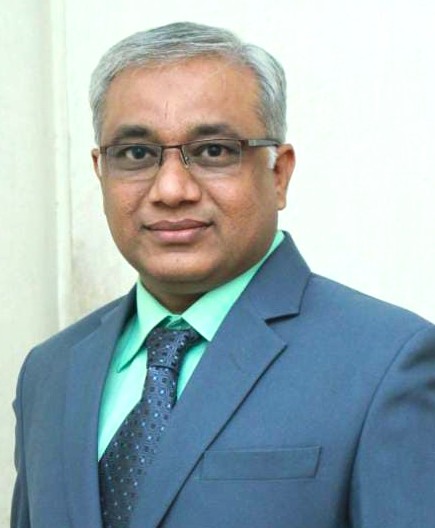
By Wasim Jamal
In developed countries, social security is regarded as one of the most important pillars of a welfare state. Governments have established comprehensive systems to protect citizens, particularly the working class, from economic and social risks such as illness, unemployment, workplace accidents, and old age. Developing countries have also gradually recognized that sustainable economic growth cannot be achieved without ensuring workers’ welfare. Social security systems in these nations are therefore expanding over time. In Pakistan, the Social Security Scheme was formally introduced on 1 March 1967 in Karachi, Hyderabad, and Faisalabad. Initially, it covered only the textile industry, which was then the backbone of the national economy and employed a large workforce.
Over time, as industrial activities grew and workers’ needs expanded, the scheme widened to include employees from other sectors. Under the scheme, employers are responsible for registering workers and paying contributions. According to a 2018 amendment to Section 75 of the Sindh Social Security Act 2016, eligibility for registration is based on the minimum wage set under the Sindh Minimum Wages Act 2015. Currently, workers earning roughly Rs40,000 to Rs45,000 per month are eligible for registration. Employers must contribute six percent of a registered worker’s wages to the Social Security Institution each month. Once enrolled, workers continue to receive benefits even if their salary rises later.
Registered workers and their families are entitled to a wide range of medical services. Social Security hospitals, dispensaries, and medical centers provide consultations with specialist doctors, diagnostic tests, X-rays, ultrasound, and CT scans. If necessary, patients can be admitted for full treatment. Modern care is also offered for serious illnesses. Dialysis is available for kidney patients, and cancer treatment receives special attention. If a required service is not available, patients may be referred to private hospitals. Those who lose limbs due to accidents or illness are provided artificial limbs. Preventive services, such as vaccinations and treatment for Hepatitis B and C, are also included.
Financial benefits form another important aspect of the scheme, supporting workers when they face income loss due to illness, injury, or unforeseen circumstances. In cases of ordinary illness, workers receive 75 percent of their last drawn wages for up to 121 days. For serious illnesses such as tuberculosis or cancer, benefits may continue for up to 365 days, allowing workers to focus on recovery without severe financial strain. Workers injured on the job receive compensation. In such cases, they are paid 100 percent of their last wages for up to 180 days. Female workers are entitled to maternity benefits, receiving full wages for up to 12 weeks.
In the event of a husband’s death, a widow receives full wages for 130 days during the period of iddat. Permanent disability due to workplace injury is met with a pension. Minor disabilities may receive lump-sum compensation. For disabilities assessed at 67 percent or more, workers are considered totally disabled and receive a pension equal to 75 percent of wages. In the tragic event of a worker’s death at work, eligible dependents may receive a survivors’ pension. Widows receive it for life unless they remarry. Sons receive benefits until 21, daughters until marriage. Unmarried workers’ parents may also receive a lifetime pension if they were financially dependent.
Dependents of a deceased worker are additionally provided with immediate financial assistance equal to 30 days of sickness benefit, with further support given when necessary. The social security system is vital for the welfare and economic stability of the working class. In Pakistan, it provides medical and financial benefits to hundreds of thousands of workers and their families, offering a sense of protection and security. Strengthening, expanding, and making the system more transparent could significantly improve workers’ lives while contributing to national economic stability. A robust social security system is, ultimately, the foundation of a true welfare state that safeguards workers’ rights and well-being.
(The writer is Director of Public Relations at the Training and Research Institute, SESSI, and is also an active member of civil society, consistently raising his voice for the rights and welfare of the working class. He can be reached at editorial@metro-morning.com)
#SocialSecurity #WorkersRights #LaborWelfare #EmployeeBenefits #PakistanWorkers #WorkplaceSafety #EconomicStability #WelfareState #HealthcareForWorkers #MaternityBenefits
