





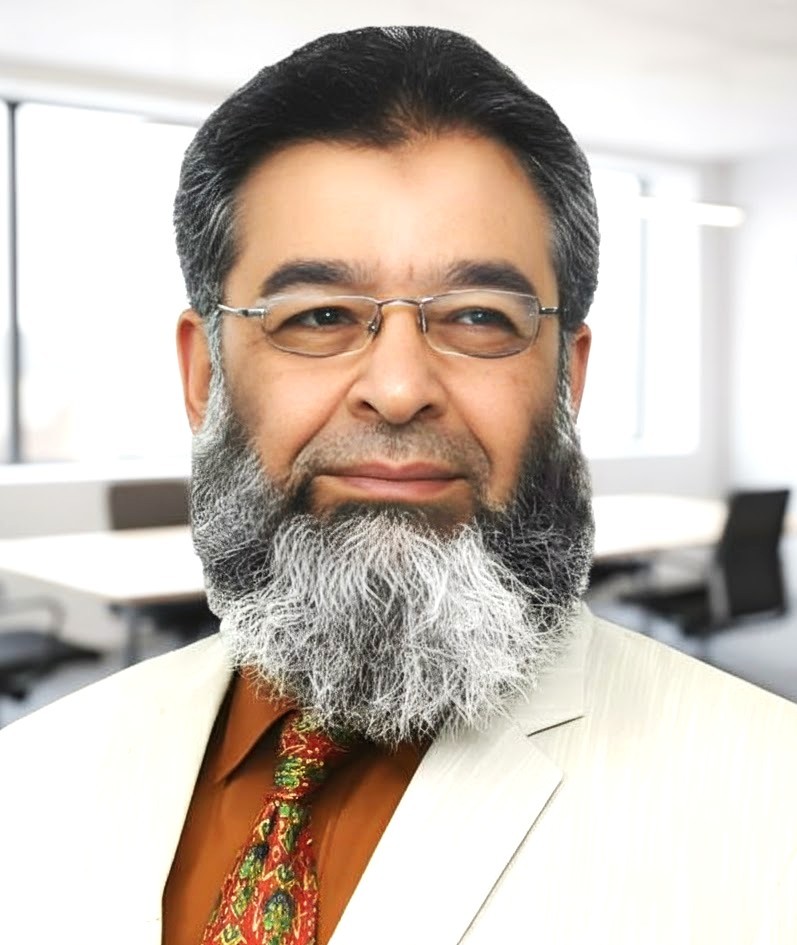
By Muhammad Mohsin Iqbal
The Middle East today is engulfed in extraordinary tension, where political calculation and military preparedness coexist uneasily with fear, suspicion, and the constant threat of sudden war. What may appear to be a confrontation primarily between Israel and Iran, with the decisive backing of the United States, has in reality spread into a crisis whose tremors are felt across the entire Gulf region. The geography of conflict is no longer confined to rhetoric or limited skirmishes; it now touches alliances, military installations, sacred sites, energy corridors, and the collective conscience of the Muslim world. The presence of American military bases across the Gulf, long justified as instruments of deterrence and regional stability, has introduced a dangerous layer of complexity.
These installations, embedded within sovereign Muslim lands, are both symbols of partnership and potential liabilities. Tehran has warned that any use of these bases against Iran would render them legitimate targets, directly implicating Washington in any escalation. Yet Iran has also stated it does not intend to target civilian populations or oil infrastructure in neighboring Muslim states. The distinction is diplomatically significant, but it does little to ease anxiety in a region where misinterpretation can prove catastrophic. In such an atmosphere, the Qur’anic warning that “fitnah is worse than killing” (2:191) takes on profound relevance. Fitnah—discord, engineered provocation, or deliberate destabilization—can ignite wars that neither side initially intended.
The peril lies not only in declared hostilities but in covert operations, false-flag incidents, or acts of sabotage designed to inflame tensions. Reports of clandestine activities and intelligence networks allegedly plotting attacks within Gulf territories, whether substantiated or exaggerated, heighten suspicion and erode trust. The Qur’an further instructs: “O you who believe, if a wicked person brings you news, verify it, lest you harm a people in ignorance and afterward become regretful” (49:6). In an era of instant communication and psychological warfare, this command carries strategic as well as moral weight. Decisions taken in haste, under the influence of incomplete or manipulated intelligence, may plunge nations into prolonged conflict.
Prudence, verification, and restraint are not signs of weakness; they are hallmarks of statesmanship. Beyond the immediate military calculus lies a broader strategic narrative. Many analysts suggest that Israel and its patrons are pursuing an agenda conceived years ago, aimed at transforming the current Israel into a Greater Israel. Recent remarks by the American ambassador in Tel Aviv referencing this notion have revived apprehensions that the present crisis is part of a continuum rather than an isolated episode. In this climate of suspicion, nothing is perceived as distant or unattainable; every development is measured against the possibility of far-reaching geopolitical transformation. Particularly alarming is the vulnerability of sacred and symbolic sites.
Jerusalem remains a spiritual epicenter for Muslims, Christians, and Jews alike. Within it stands Al-Aqsa Mosque, Islam’s first Qibla, a trust of immeasurable sanctity. The Qur’an condemns those “who prevent the name of Allah from being mentioned in His mosques and strive for their ruin” (2:114). In moments of extreme crisis, fears arise that provocations involving such sites could justify broader military escalation. Some worry that destruction or grave damage might be engineered and blamed elsewhere, potentially igniting a conflagration of incalculable magnitude. Whether these fears are realistic or speculative, their plausibility underscores the combustible nature of the current environment. The Gulf monarchies occupy a uniquely delicate position.
Bound by strategic partnerships with Washington yet sharing cultural, economic, and geographical proximity with Iran, they must balance deterrence with diplomacy. Their oil installations, vital to regional prosperity and global economic stability, are prime targets in any widening conflict. A strike on these facilities would ripple through international markets, disrupt supply chains, and deepen global uncertainty. What unfolds in the Gulf cannot be regarded as a localized contest; it is an issue of worldwide consequence. The Qur’anic injunction to “hold firmly to the rope of Allah all together and do not become divided” (3:103) is not merely spiritual counsel; it is a blueprint for collective resilience.
Proxies become principals; limited strikes escalate into sustained campaigns; and civilians invariably bear the heaviest burdens. The Middle East has endured decades of devastation, from invasions to civil wars, and its societies are weary of perpetual instability. Another conflagration would cost more than military losses; it would shatter economies, displace populations, and leave generations marked by trauma. At this volatile juncture, restraint must triumph over impulse, verification over rumor, and unity over division. The stakes extend beyond national pride or strategic advantage; they concern the preservation of lives, the protection of sacred trusts, and accountability before history and before Almighty Allah. In a region where a single miscalculation could redraw the map of alliances and animosities, wisdom remains the most powerful defence.
(The writer is a parliamentary expert with decades of experience in legislative research and media affairs, leading policy support initiatives for lawmakers on complex national and international issues, and can be reached at editorial@metro-Morning.com)
#MiddleEastCrisis #GulfTensions #IranIsraelConflict #Geopolitics #GlobalSecurity #StraitOfHormuz #RegionalStability #InternationalRelations #WarAndPeace #MiddleEastNews
