





MM Report
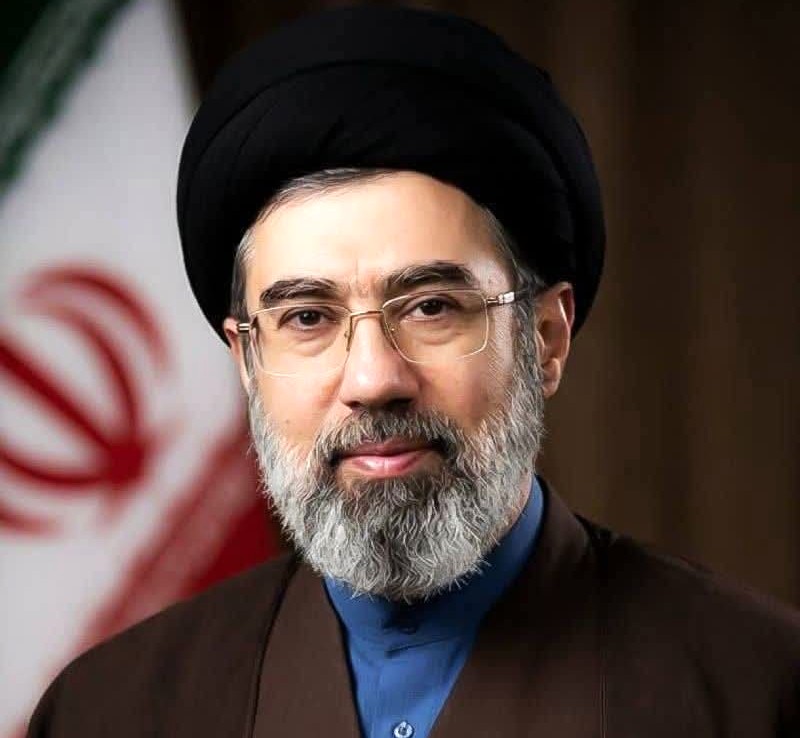
TEHRAN: Iran’s Supreme Leader Mojtaba Khamenei issued an appeal to the Muslim nations to bury their differences and unite against common foes. He framed the call as a necessity for what he termed a moment of profound difficulty for the Islamic world.
His message, carried by media, struck a tone of both outreach and warning. Division among Muslim countries, the new supreme leader argued, only served to benefit external enemies. He singled out Pakistan by name, urging Tehran’s neighbour into a closer embrace of Islamic solidarity.
In a more pointed passage, Khamenei suggested Afghanistan what he described as “Indian and Israeli conspiracies”, counselling Kabul to align its interests with the wider Muslim bloc. In an apparent effort to dial back regional tensions, he moved to clarify the scope of his country’s military posture.
Khamenei insisted that Iran harboured no intention of targeting the people or property of any brotherly Islamic state. Iranian strikes, he said, were directed solely at American bases and installations. He then addressed a more delicate matter: civilian casualties from recent exchanges.
The supreme leader expressed regret over the loss of innocent life, attributing the deaths to the fallout from missile interceptions carried out by certain Muslim countries. Those nations, he claimed, had attempted to shoot down Iranian missiles in a bid to protect American assets, and the resulting debris had led to unintended deaths.
“Iran wishes to live in peace and security with its Muslim brothers, especially its neighbours,” he said, in a statement that appeared designed to project restraint while maintaining a defiant edge.
The address was watched closely across the region, where analysts saw it as an effort to consolidate Khamenei’s authority while signalling continuity with the hardline legacy of his predecessor. Whether his appeal for unity would gain traction remained an open question, with several Sunni-led states maintaining deep suspicions of Iran’s regional ambitions.
