





By our correspondent
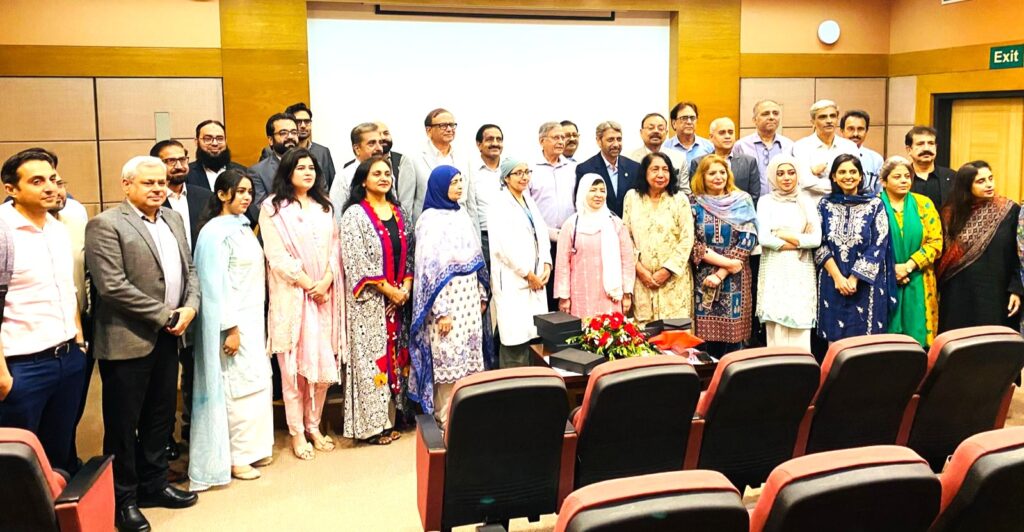
KARACHI: The Pakistan Cardiac Society Karachi Chapter convened a high-level strategic session titled “Clinical Innovation & Strategic Continuity” at the Tabba Heart Institute on Friday, bringing together some of the country’s leading cardiovascular specialists to chart an ambitious course for heart health in 2026.
The session unfolded as both a reflective and forward-looking exercise, underscoring a growing urgency within Pakistan’s medical community to address the rising burden of cardiovascular disease through coordinated planning and innovation.
The proceedings were moderated by Dr Aliya Kemal Ahsan, who also marked a key milestone during the event with the launch of Heart Beat, a monthly digital bulletin intended to streamline communication and knowledge-sharing among cardiology professionals.
Opening the formal segment, Dr Akram Sultan outlined a strategic vision centered on strengthening institutional leadership, enhancing professional collaboration and fostering capacity building within the field. His remarks set the tone for a series of presentations that emphasized both structural reform and clinical advancement.
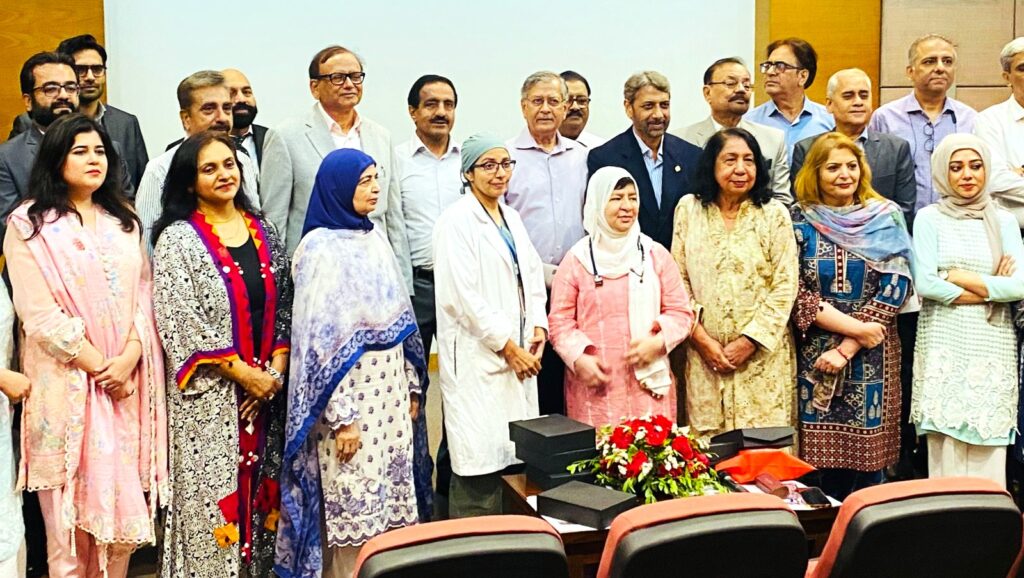
General Secretary Dr Riffat Sultana followed with a detailed operational roadmap, mapping out the society’s planned activities and initiatives aimed at translating vision into measurable outcomes.
A strong emphasis was placed on prevention, with Dr Bashir Hanif warning that the window for meaningful intervention in cardiovascular health was narrowing. He stressed that research-driven prevention strategies must now move from concept to implementation if they are to have a tangible impact.
The session drew contributions from senior clinicians and academics, including Prof Dr Fawad Farooq, Dr Mansoor Ahmed, Dr. Khan Shah Zaman, Dr Najma Patel, Prof Dr. Hasanat Sharif, Dr Gul Hassan Brohi, whose insights reinforced the need for evidence-based practice and early diagnosis.
DG Health Dr Saqib, Prof Dr Khalida Soomro, and Dr Bashir Hanif highlighted prevention, early diagnosis and research priorities in cardiovascular care. Dr Shaista Ali Siddiqui represented PILL.
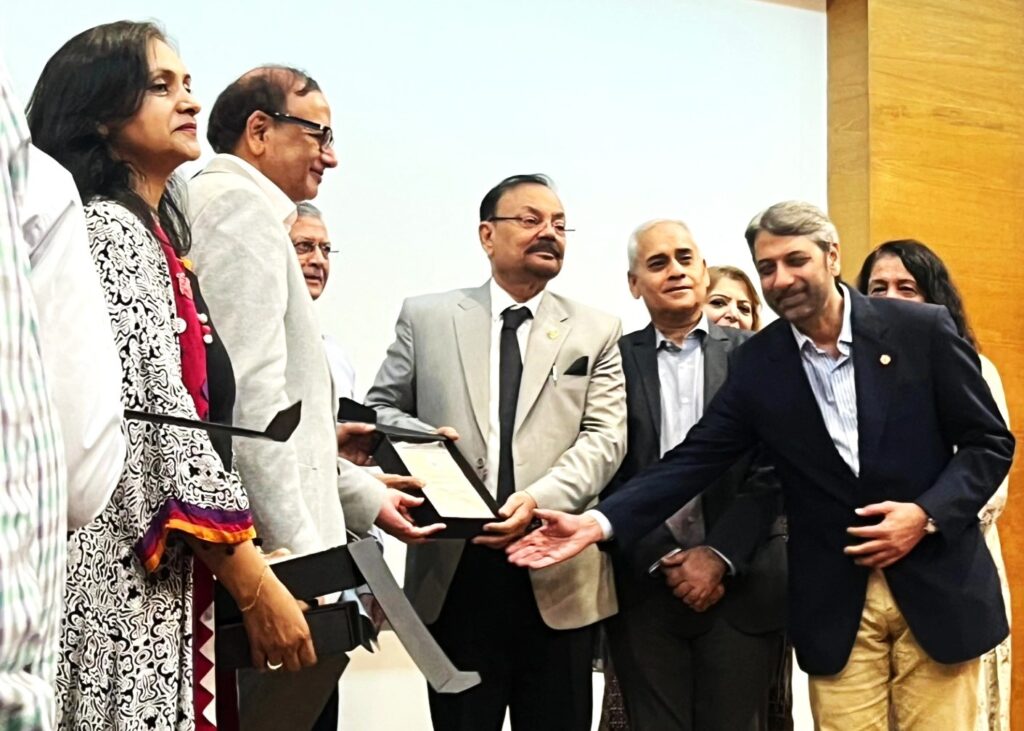
Dr Akram Sultan informed the audience about the upcoming Diploma in Cardiac Rehabilitation and highlighted across, emphasizing collaborative efforts to strengthen cardiac care systems, capacity building and evidence-based practice across Pakistan.
The program concluded with an interactive exchange on upcoming workshops and joint initiatives, before closing remarks from a representative of BMJ Pakistan. Supported by AGP, the event highlighted a renewed commitment within the cardiology community to strengthen systems.
