





By Imtiaz Hussain
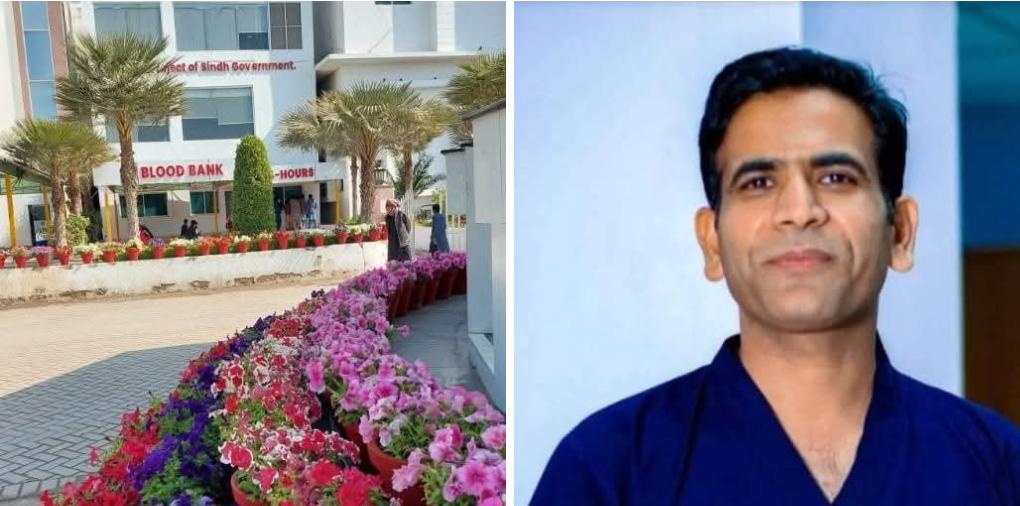
SUKKUR: The Gambat Institute of Medical Sciences (GIMS) Hospital in Gambat had performed around 1,500 successful liver transplants free of cost, officials said, making it the country’s largest liver transplant programme.
On the occasion of World Liver Day, Professor Dr Abdul Wahab Dogar, Programme Director of Liver Transplant at GIMS, said an estimated 1.5 billion people worldwide were living with chronic liver conditions, while around two million lives were being lost each year due to liver disease.
He said that because liver disease often developed silently, many people remained unaware of their condition until it reached an advanced stage. However, he noted that up to 92 per cent of cases could be prevented through improved health policies and lifestyle changes.
Dr Dogar said the World Liver Day campaign highlighted simple daily habits to protect liver health, including balanced eating, regular physical activity, reduced alcohol consumption and routine liver check-ups. He advised people to avoid ultra-processed foods, reduce saturated fat intake, stay physically active on most days of the week, limit or avoid alcohol in case of existing liver disease, and not ignore repeated abnormal liver test results. He also urged regular screening for those with obesity, diabetes or a family history of liver disease.
He credited the Sindh government and GIMS Director Dr Raheem Bux Bhatti for supporting the initiative, which had enabled the hospital to provide free treatment to patients from across Pakistan and abroad. He said this achievement had been carried out successfully at a public sector health facility.
Patients from different districts of Sindh, Punjab, Balochistan, Khyber Pakhtunkhwa, Kashmir and Afghanistan had benefited from the free liver transplant programme, he added.
The Liver Transplant Department at GIMS had been established in January 2016, with the first transplant performed in April that year. Initially, surgeons from Germany and other countries had conducted procedures, but over time the hospital had developed its own in-house expert team.
The centre is equipped with modern facilities, including 60-bed wards, a 30-bed ICU, a 10-bed liver emergency unit, six operating theatres and 80 rooms. It also carries out other transplants and treats a range of diseases, Dr Dogar said.
He said the success rate of liver transplants at GIMS stood at around 90 per cent, comparable with developed countries. The procedure was provided free of charge, funded by the Sindh government, which had reduced financial and logistical burdens on patients who previously travelled abroad for treatment.
He said GIMS, under the vision of Director Dr Bhatti, had become a model institution and a symbol of humanitarian service in Sindh, reflecting what he described as a spirit of public service where compassion remained central.
On infection control, Dr Dogar stressed the importance of strict protocols in improving patient outcomes. He said special panels had been introduced to reconstruct ICU walls, helping maintain a safer and more controlled environment, reducing infection risks and improving safety for transplant patients.
In a recent milestone, GIMS surgeons had successfully performed simultaneous liver and kidney transplants on a single patient. Noman Tariq from Muzaffargarh had arrived at the hospital with severe liver and kidney disease and underwent both procedures after doctors determined urgent intervention was required.
Dr Dogar said the patient had stabilised after surgery but remained under observation. Director GIMS Dr Rahim Bux Bhatti described the twin transplant as a “new chapter in the history of Sindh”, adding that the procedure had also been carried out free of charge.
The patient thanked the Sindh government, GIMS surgeons and Dr Bhatti for restoring his health after months of illness.
Officials said the institute’s commitment to free and quality healthcare in rural Sindh had attracted patients from across Pakistan, including Azad Kashmir, Afghanistan and other Asian countries.
