





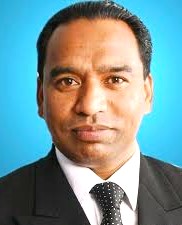
By Asghar Ali Mubarak
Amid the minaret-shadowed streets of Islamabad, where diplomats sip tea under the weight of history, a sliver of possibility glimmers in the US-Iran standoff. President Donald Trump, in a New York Post interview, has teased a second round of talks—perhaps Friday, perhaps the weekend—hosted right here in Pakistan’s capital. “There’s good news regarding Iran,” he said, hinting at a “major breakthrough” to dial down Gulf tensions. It’s a sharp turn from the countdown to strikes when the ceasefire teetered on April 22’s edge. At Pakistan’s urging, Trump stretched it indefinitely, posting on X that Prime Minister Shehbaz Sharif and Field Marshal Asim Munir begged him to hold fire until Tehran offers a “unified proposal.” Yet the blockade on Iranian ports endures, a chokehold Tehran calls non-negotiable for talks. This is diplomacy’s tightrope, with Pakistan balancing atop it, its every step watched by a world weary of war.
The first round in Islamabad, 21 hours of haggling ending April 12, ended in finger-pointing. JD Vance, then in town, called the mood “encouraging” but blamed Iran for rejecting nuclear curbs. Tehran fired back, decrying “unreasonable demands” and alleging US sabotage just shy of a deal. Nuclear enrichment and proxy shadows—Hamas, Hezbollah, Houthis—hung heavy. Iran’s UN ambassador, Amir Saeid Iravani, now dangles a lifeline: lift the blockade, and we’ll return to Islamabad. Senior analyst Asghar Ali Mubarak, head of Pakistan’s Diplomatic Correspondents Forum, sees a turning tide. “War’s odds are 99% gone,” he told a podcast. “Pakistan’s bridge diplomacy has shifted the chessboard.” Field Marshal Munir’s Tehran trip—meeting Foreign Minister Abbas Araghchi, Parliament Speaker Baqer Qalibaf, even Revolutionary Guards brass—loosened the Strait of Hormuz briefly, a concession Trump cheered on Truth Social, praising Pakistan’s “very good job.” Sharif’s Gulf sprint—to Riyadh, Doha, Ankara—roped in regional players, eyeing a multi-stakeholder pact to bulletproof any deal.
Iran’s 10-point manifesto screams survival: end the naval vice, scrap sanctions strangling oil, free frozen billions, vow no strikes on leaders or bases, bless civilian enrichment, pull US troops from the neighborhood, pay for fresh wounds, bury regime-change dreams, lock a deal in Congress’s ink, allow defensive missiles. Trump’s “great deal” bites harder than Obama’s: zero centrifuges, no ballistic tests, cut Yemen-Lebanon-Syria-Iraq lifelines, fling IAEA doors wide—even to bunkers—permanent terms, no sunsets, plus every US prisoner home from Evin. The gulf is vast, yet markets sensed hope: oil dipped, gold spiked, inflation fears softened. Still, trust frays. Qalibaf recalls staring down US delegates over a Hormuz minesweeper, forcing its retreat in 15 minutes. A seized Iranian tanker, its engine riddled by US Marines, slammed Hormuz shut again. Iran vows retaliation; Trump doubles down on the blockade till “100% resolution.”
Pakistan’s quiet ascent steals the show. Long a sideshow, it’s now the fulcrum. Foreign Minister Ishaq Dar, chairing crisis huddles, rang Turkey’s Hakan Fidan to champion dialogue. Vance’s Islamabad encore—possibly with Jared Kushner, Steve Witkoff—waits on Iran’s nod. Think Oslo’s Norwegians or Switzerland’s shadowed dealmakers: small states weaving peace from giants’ discards. Islamabad’s gain ripples outward. A deal could unclog sanctions’ grip on Iranian mothers queuing for bread, swap Evin’s captives for US families’ relief, steady oil for global kitchens. Failure courts chaos: Hormuz locked, oil at $150, proxy fires from Sana’a to Beirut.
This is no boardroom chess. Picture Islamabad’s negotiation halls, translators sweating over Farsi-English salvos till dawn. Or Munir in Tehran’s spartan offices, breaking bread with Guards who’ve stared down F-35s. Ordinary Pakistanis, from Lahore’s chai stalls to Karachi’s newsstands, feel the stakes—this mediation burnishes a nation often caricatured as chaotic. Trump seeks legacy; Iran, dignity after sanctions’ grind; Pakistan, a seat at the grown-ups’ table. Analyst Slavin of Stimson Center calls Trump’s extension a “fig leaf” for stalled talks, urging Washington ditch maximalism. Iran’s hardliners growl at Trump’s claim they’ve caved; the blockade mocks ceasefire spirit.
As Vance’s jet idles and Hormuz’s waters churn, Islamabad holds its breath. Ceasefire or catastrophe? The answer lies in backchannels, not headlines. Pakistan, once scorned, now pivots history. A deal here might redraw Gulf maps, thaw a nuclear winter, crown Sharif and Munir global elders. Or the trap springs—blockade tightens, drones hum, oil tanks. For now, tea cools in diplomatic saucers, translators pause, and hope, brittle as Hormuz coral, clings on. History, that cold scribe, waits to judge.
(The writer is a senior journalist covering various beats, can be reached at editorial@metro-morning.com)
