





US logistics and security personnel already deployed in Islamabad, federal capital, ahead of anticipated high-level engagements, sources say, according to officials
By Asghar Ali Mubarak
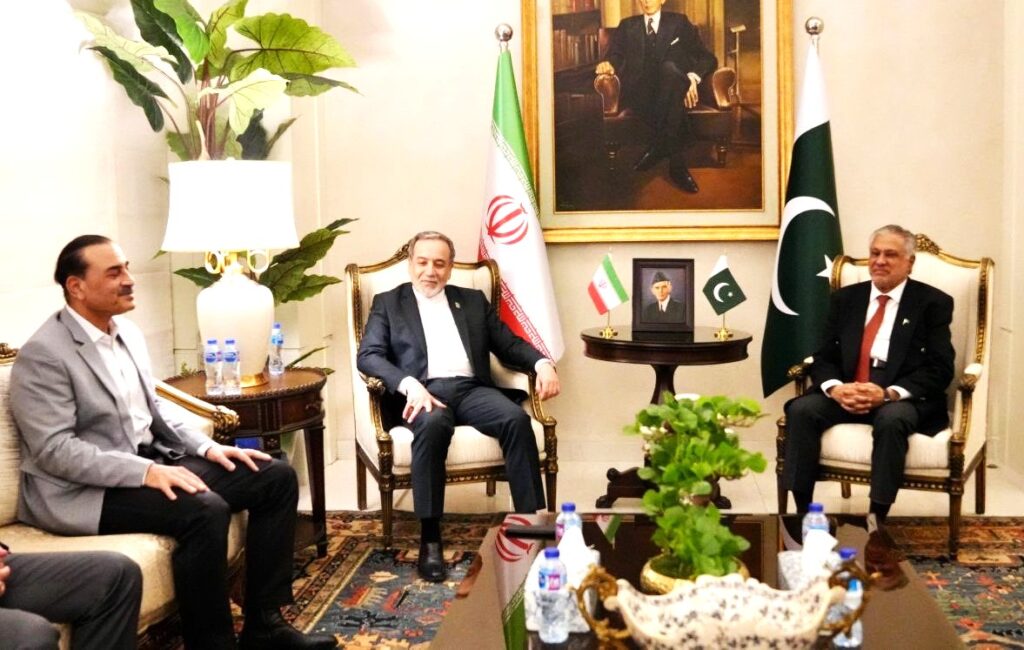
ISLAMABAD: Iran’s foreign ministry said a senior delegation led by Foreign Minister Abbas Araghchi had arrived in Islamabad on an official visit, as regional diplomacy intensified around efforts to reduce tensions and prevent further escalation in the Middle East.
The announcement was made by ministry spokesperson Esmaeil Baqaei, who confirmed that the Iranian foreign minister had travelled to Pakistan for a series of high-level meetings with senior government officials. The visit, he said, was closely linked to Islamabad’s ongoing diplomatic role, which Tehran described as “good offices” aimed at encouraging dialogue and supporting efforts to end what Iran characterized as an “American-imposed war of aggression” and to restore stability in the region.
According to Iranian officials, the Islamabad discussions were expected to focus on regional security developments, diplomatic coordination and broader concerns over the trajectory of the conflict. Pakistan’s leadership has in recent weeks sought to position itself as a facilitating actor, maintaining contacts with multiple sides in an effort to prevent further deterioration in an already volatile regional environment.
Baqaei emphasized that no direct meeting had been planned between Iranian officials and representatives of the United States during the visit. Instead, he indicated that Tehran intended to use Pakistan as a conduit for its positions, with Islamabad expected to carry messages and observations to Washington as part of its mediating role.
In remarks shared alongside the announcement, the Iranian foreign ministry said Araghchi’s visit took place “in concert” with Pakistan’s diplomatic efforts, suggesting that the trip was designed to reinforce existing channels of communication rather than introduce a new negotiation framework. Officials in Tehran have repeatedly expressed scepticism about direct engagement with the United States under current conditions, arguing that third-party mediation remains the most practical route for conveying messages.
The visit came at a time of heightened regional sensitivity, with international actors closely watching diplomatic maneuvers that could either de-escalate or further complicate the situation. Pakistan, which has long maintained relations with both Iran and Western powers, has attempted to balance its diplomatic posture while avoiding direct alignment in the unfolding crisis.
