





Amid quiet diplomatic recalibration, two meetings in Qatar and another Asian capital over three months signal a growing consensus on the need for a discreet back-channel
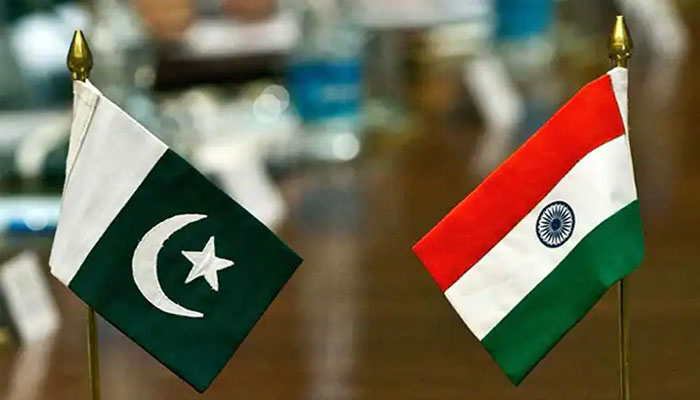
MM Special Report
ISLAMABAD: A year after Marka-e-Haq, there has been no official diplomatic contact between Pakistan and India, but former army generals and retired diplomats from both countries have reportedly met at least twice in the past three months, including one meeting in Qatar and another in a different Asian capital.
While these encounters are not formally described as “back-channel communications,” they mark the first such engagements since the May 2025 conflict, amid what sources describe as a growing consensus within Indian official circles, including National Security Advisor Ajit Doval, on the need to open an indirect line of engagement with Islamabad.
It is understood that the proposal for such a mechanism has been escalated to higher government and military levels, with indications that the initial willingness came from the Indian side. A final political decision on establishing a structured back-channel has yet to be taken.
However, one of the key drivers behind the reconsideration is the perceived need to manage escalation risks in the event of any future cross-border incident. Sources said that, at present, there is no established crisis-management framework between the two countries.
Following the Pahalgam incident, which Pakistan has previously described as a false-flag operation, and during Marka-e-Haq, the only functional communication channel between the two sides was the hotline between the Directors General of Military Operations (DGMO), which reportedly continues to operate with weekly contact, typically on Tuesdays.
According to sources, there needed for a more structured civilian and politically guided communication mechanism, supported by military establishments on both sides. Sources further suggested that Pakistan’s expanding diplomatic engagement, particularly amid evolving dynamics in the US–Israel–Iran regional situation, has contributed to renewed strategic recalculations in some policy circles in India.
They also referenced the international profile of Pakistan’s military leadership, including Field Marshal Asim Munir, as a factor influencing external perceptions. It was also noted that Indian defence analyst Pravin Sawhney had earlier commented on what he described as incapacitation of India’s military posture.
Another source said Pakistan’s increasing engagement in broader diplomatic discussions, including contacts involving US interlocutors, had added to the complexity of India’s external policy calculations. Evidently, Pakistan’s retaliation against Afghan state-backed terrorist mostly gone unnoticed was also an eye-opener for India’s policy makers.
Advocates of renewed engagement argue that a back-channel could help reduce miscalculation risks between two nuclear-armed neighbors and provide a stabilizing mechanism during crises, particularly in the absence of formal diplomatic dialogue.
