





By Imtiaz Hussain
TANDO JAM: Academicians, experts, social reformers and civil society representatives expressed serious concern over rising violence against women, cyber blackmail, harassment and deep-rooted structural inequalities at a national conference on Thursday, warning that weak enforcement of laws and persistent social barriers continued to undermine women’s safety and empowerment in Pakistan.
The National Conference on Women’s Protection 2026, held under the theme “Promoting Safety, Rights and Empowerment of Women in Academia and Society,” was organised by Sindh Agriculture University in collaboration with the Higher Education Commission Islamabad, the Sindh Higher Education Commission, the Women Development Department of the Government of Sindh and other partner organisations.
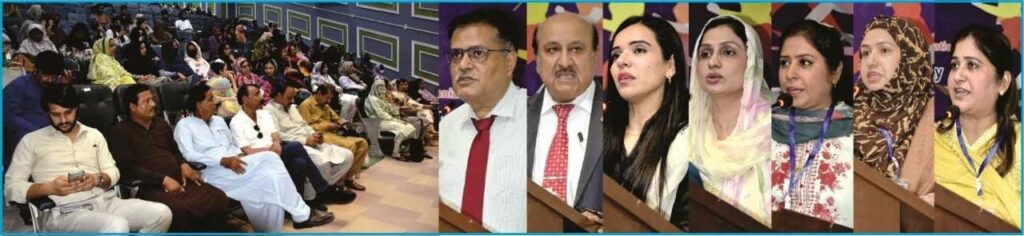
Speakers said women’s protection was not only a legal or social responsibility but also a moral, religious and constitutional duty that required collective action from government institutions, academia, civil society, media and communities.
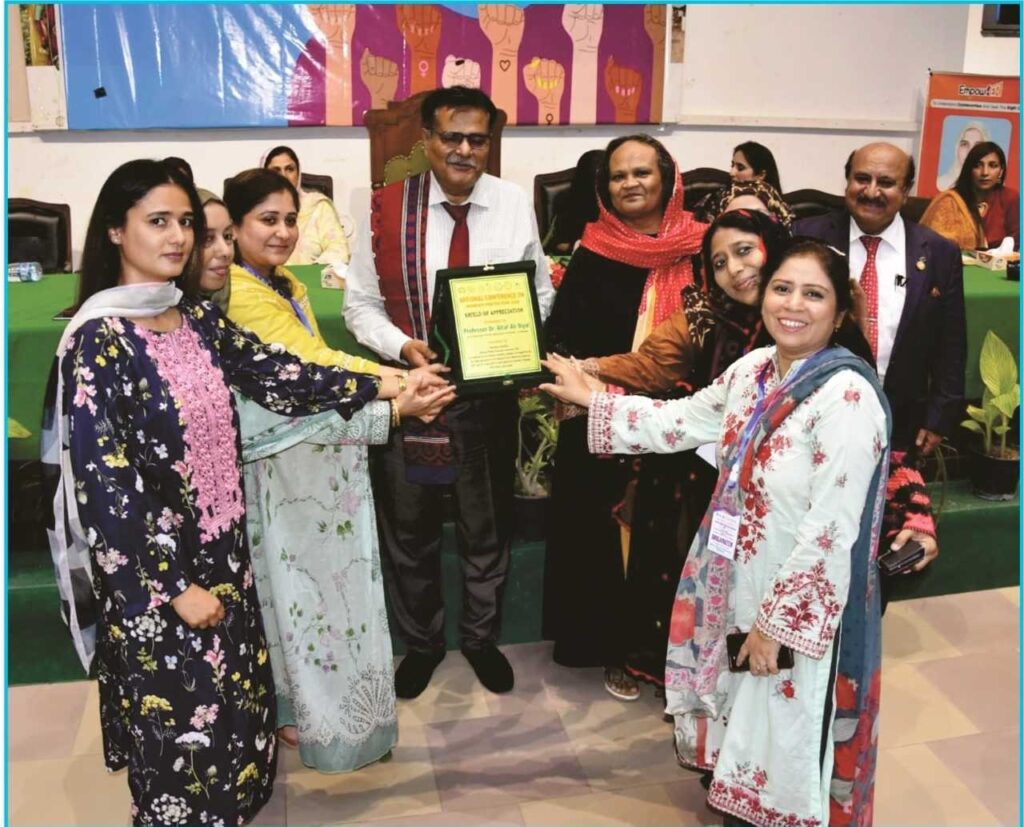
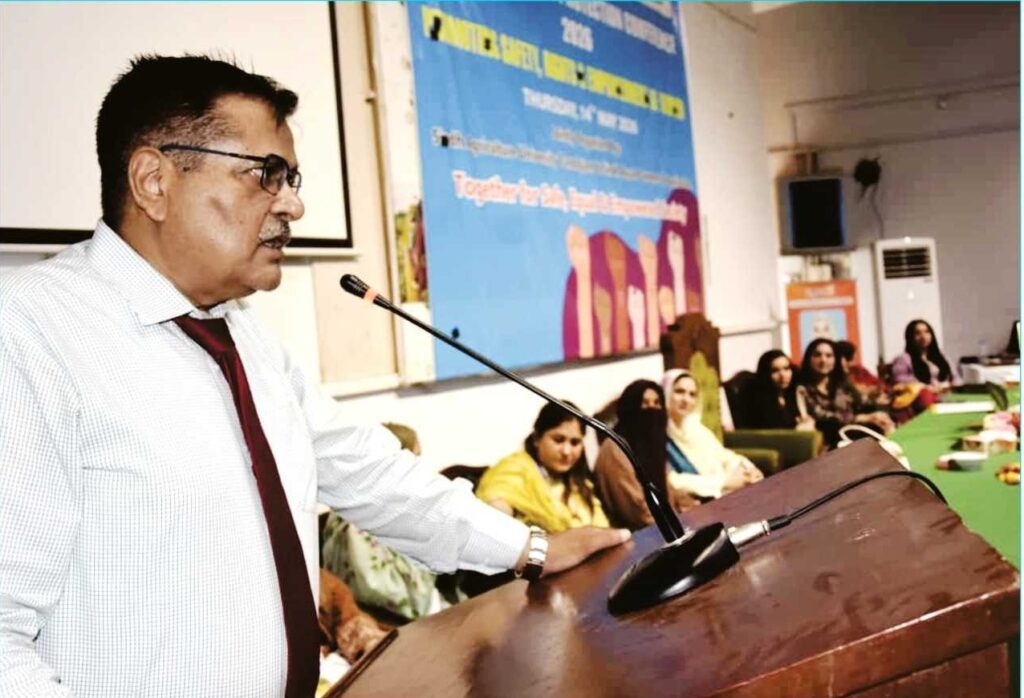
Addressing the inaugural session, SAU Vice Chancellor Engr Professor Dr Altaf Ali Siyal said women formed the backbone of society and no nation could achieve meaningful progress unless women were safe, educated, respected and empowered. He said equal opportunities in recruitment and institutional systems must be ensured for women, adding that women’s empowerment was deeply rooted in Islamic teachings and supported by historical examples of justice and leadership.
He said that despite legislative progress, women continued to face harassment, domestic violence, workplace discrimination, cybercrime, forced marriages and unequal access to opportunities, highlighting the need for coordinated institutional responses.
Women activist and social reformer Marvi Awan stressed the need for responsible handling of harassment complaints within educational institutions and warned against irresponsible use of social media in such cases. She said mishandling sensitive cases not only affected institutions but could also harm other girls and their families, urging greater awareness of digital ethics.
Chairman of the Students–Teachers Engagement Program Dr Muhammad Ismail Kumbhar said nearly 34% of women in the country experienced domestic or other forms of violence, while 54% did not report incidents of abuse. He added that more than 18,000 women had been subjected to social media harassment and blackmail during the previous year.
He further noted that women continued to face discrimination in land ownership, inheritance rights and wages, while child marriage remained a deeply rooted social issue.
Samina Abbasi of the Women Development Department in Hyderabad said barriers faced by women in society ultimately hindered broader social progress. She stressed the importance of creating a genuine sense of safety for women and girls from homes to educational institutions and workplaces, and called for ending discriminatory attitudes towards daughters and sons within families.
Member of the Syndicate SAU Dr Shabana Sartaj Tunio said women faced challenges not only within institutions but also in domestic environments, stressing the need for a broader and more comprehensive approach to women’s protection.
During the event, Dr Mahmooda Buriro presented the conference recommendations, which called for harassment-free campuses, stronger anti-harassment mechanisms, counselling and mental health support services, and increased scholarships for female students, particularly from rural communities.
The conference also highlighted the contribution of rural women to food security and demanded equal access to land ownership, agricultural credit, irrigation facilities, modern technologies and extension services, while recommending the establishment of women-focused agricultural support systems at district and taluka levels.
On the occasion, Dr Feroza Soomro presented poetry and Dr Ghulam Hussain Wagan performed Shah Abdul Latif Bhittai’s traditional Waee. Women from diverse backgrounds, including Bibi Yasmeen, Reshma Thebo and Radha Bheel, also attended the conference.
