





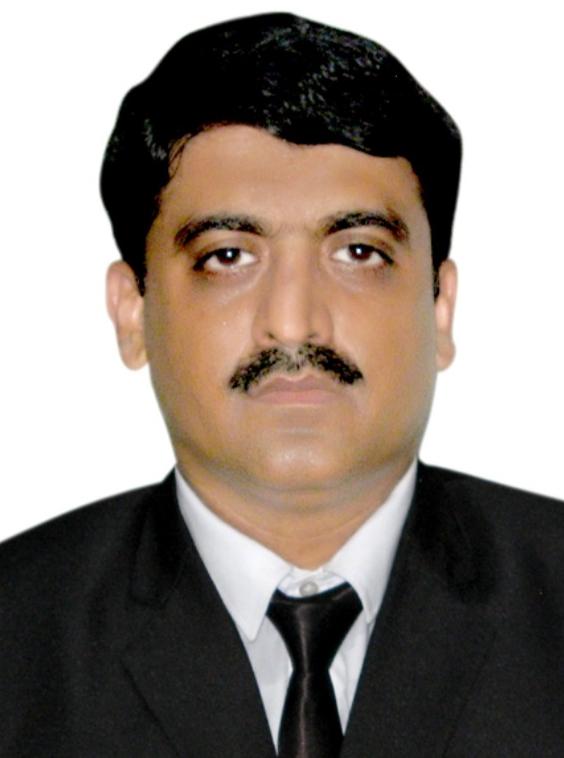
By Abdul Wahab Munshi
When institutions betray merit, resistance becomes a duty. The Sindh Public Service Commission (SPSC), once considered a symbol of hope, merit, and opportunity for the youth of Sindh, has unfortunately become a question mark in the eyes of the people. An institution that should have protected talent and rewarded hard work now appears trapped in the politics of favoritism, loyalty, and vested interests. Merit is no longer the defining principle; connections are. Capability is ignored while influence is celebrated. As long as the same mindset, the same corrupt structure, and the same powerful hands continue to dominate this institution, the dream of a transparent, fair, and independent SPSC will remain nothing more than an illusion.
When the former chairman, Muhammad Waseem, departed under allegations of corruption, many celebrated as though justice had finally arrived. However, reality quickly shattered that illusion. The system merely changed its face, not its character. Another loyal pawn was placed on the throne, perhaps more powerful, more obedient, and more committed to protecting an anti-merit structure. It increasingly feels as though institutions no longer function as public bodies; instead, they operate as private kingdoms serving selected interests, where decisions are not made on justice, but on relationships and political obedience. The question today is no longer when justice will come. The greater fear is whether justice itself will survive.
When institutions stop valuing intelligence, hard work, and integrity; when years of struggle by deserving students from poor families are buried under files and corruption; when incompetent individuals rise through recommendation while talented youth are denied opportunities, public trust collapses. And when an institution as vital as the Sindh Public Service Commission turns into a marketplace of jobs and influence, it is not merely corruption by a few individuals. It is the assassination of an entire generation’s future. Today, the youth of Sindh are not merely demanding employment. They are demanding dignity, recognition, and protection for their dreams. Sadly, this system does not reward merit; it auctions opportunity to the highest connections.
The children of ordinary families continue to pass examinations, yet remain unemployed, while the privileged occupy positions they neither deserve nor have earned. This growing injustice has filled the younger generation with anger, frustration, and disillusionment. However, history teaches us a timeless truth: no corrupt system survives forever. Those who mistake the silence of youth for weakness fail to understand the power of awakened consciousness. When awareness rises among young people, even the strongest thrones begin to shake. Today, the youth of Sindh are beginning to ask difficult questions. They are raising their voices. They are coming onto the streets not merely for jobs, but for justice itself.
The day is not far when every individual responsible for the murder of merit will be held accountable in the court of public conscience. This struggle is not against one chairman, one officer, or one personality. It is a battle against an entire rotten system that has held the future of Sindh hostage for decades. If reforms are not made even now, future generations will stop believing in institutions altogether and place their faith only in mafias of power and influence. And when the youth of a nation lose trust in institutions, the foundations of the state itself begin to weaken. Yet difficult times do not come to destroy people; they come to turn them into steel.
There are lessons that schools, colleges, and universities cannot teach. Sometimes even parents cannot provide the kind of strength, endurance, and character-building that emerges from struggle against injustice. Hardship creates a different kind of education — one born from resistance, pain, sacrifice, and survival. Today, many young people feel surrounded by darkness. Doors appear closed. Dreams appear shattered. Society attempts to discourage them, silence them, and crush their spirit. But these are precisely the moments when a new power is born within human beings — the power of awareness, courage, and resistance capable of changing the course of history. I see this spark in the eyes of the affected students of the Sindh Public Service Commission.
I see fire, determination, and rebellion against injustice. This is not merely a fight for employment opportunities. It is a struggle for merit, truth, justice, and the future of Sindh’s coming generations. Young people must remember this: oppression is temporary, but truth always survives. No corrupt and outdated system can stand forever once the youth awaken with consciousness and unity. The same youth who are ignored today can become the architects of tomorrow’s revolution. The road may be difficult. The system may appear powerful. However, history has never belonged to tyrants forever. It belongs to those who refuse to surrender. And we, despite everything, are still capable of confronting the system.
(The writer is a Hyderabad-based lawyer and has a keen interest to highlight political and administrative issues. He can be reached at editorial@metro-morning.com)
