





By Imtiaz Hussain
SUKKUR: The Sindh government has approved plans to modernise the province’s educational boards by introducing digital examination systems, specialised IT training and modern equipment under the Sindh Secondary Education Improvement Project (SSEIP), with support from the Asian Development Bank.
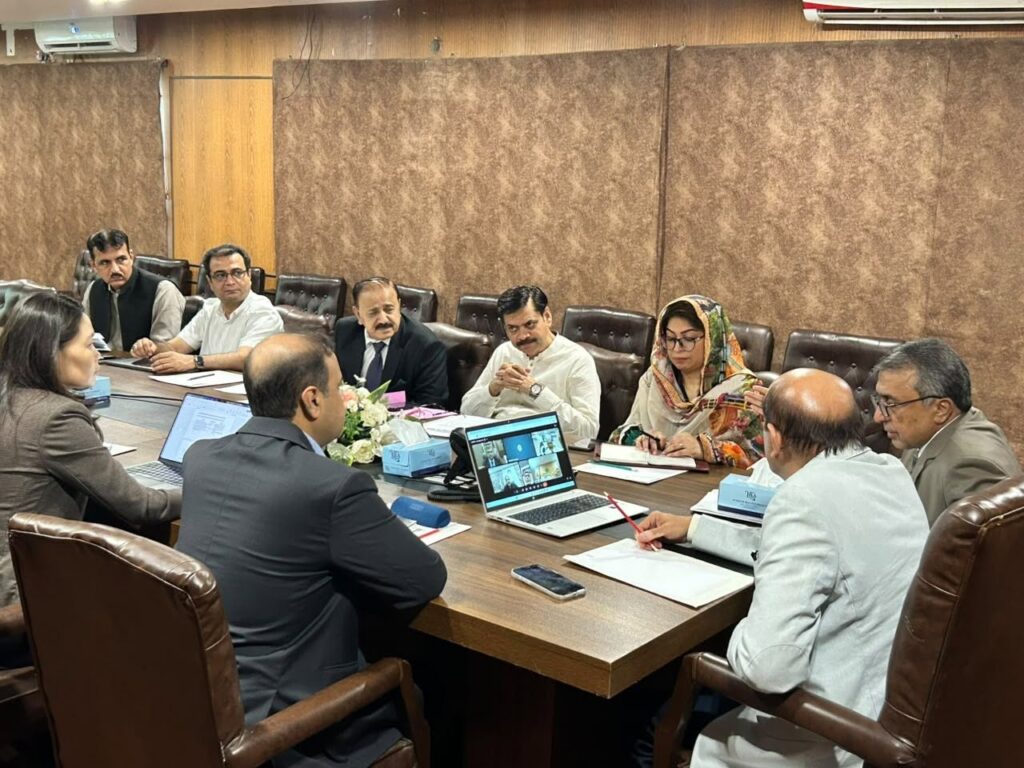
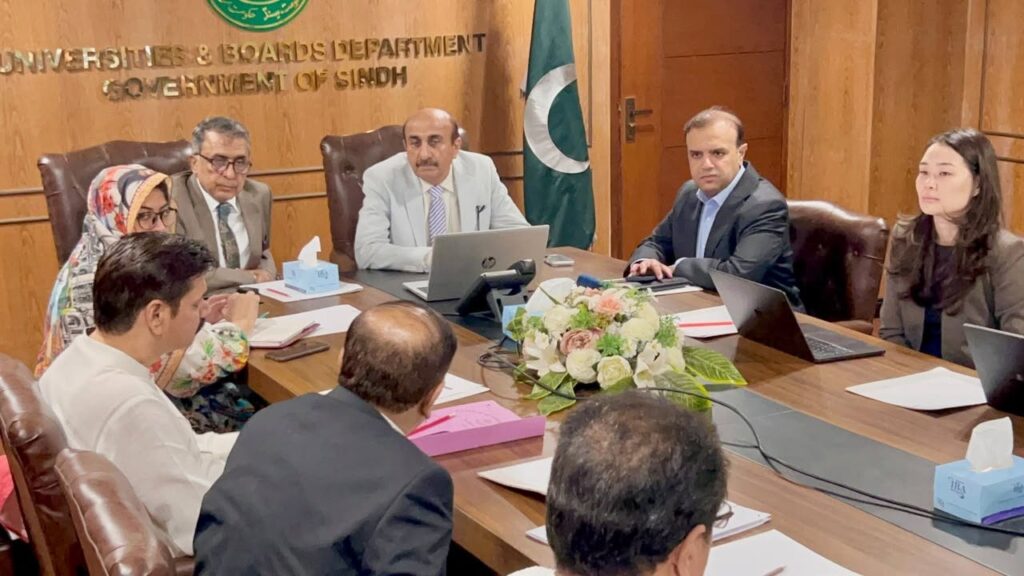
The decision was taken at a meeting chaired by Muhammad Ismail Rahoo at the office of the Secretary for Universities.
The meeting was attended by Secretary for Universities Muhammad Abbas Baloch, chairpersons of Intermediate, Secondary and Technical Education Boards from across Sindh, members of the Asian Development Bank’s fact-finding mission, Project Director Rizwan Soomro, Deputy Project Director Dr. Luqman Nohri and Examination Reforms Expert Atta Hussain Lakho.
Participants reviewed proposals to introduce e-marking, modernise examination procedures, digitise governance and examination systems and strengthen the institutional capacity of educational boards across the province.
Addressing the meeting, Minister Rahoo said the traditional examination assessment system would gradually be replaced by an e-marking system aimed at improving transparency, efficiency and compliance with international standards.
He said the reform proposals would be submitted to the Sindh Cabinet for approval, after which implementation would begin on a priority basis.
The minister added that, with ADB support, educational board employees would receive specialised training from IT experts to strengthen their technical skills. Under the project, all educational boards will also be equipped with modern technology, including scanners, cutting machines, servers and other digital resources.
According to the spokesperson, Faqeer Muhammad Lakho, Chairman of the Board of Intermediate Education Karachi, has been appointed as the focal person for the examination modernisation project.
Rahoo said the reforms, backed by the Asian Development Bank, would play a key role in modernising Sindh’s examination system by improving merit, transparency and the overall performance of educational boards through greater digitalisation and stronger institutional capacity.
