





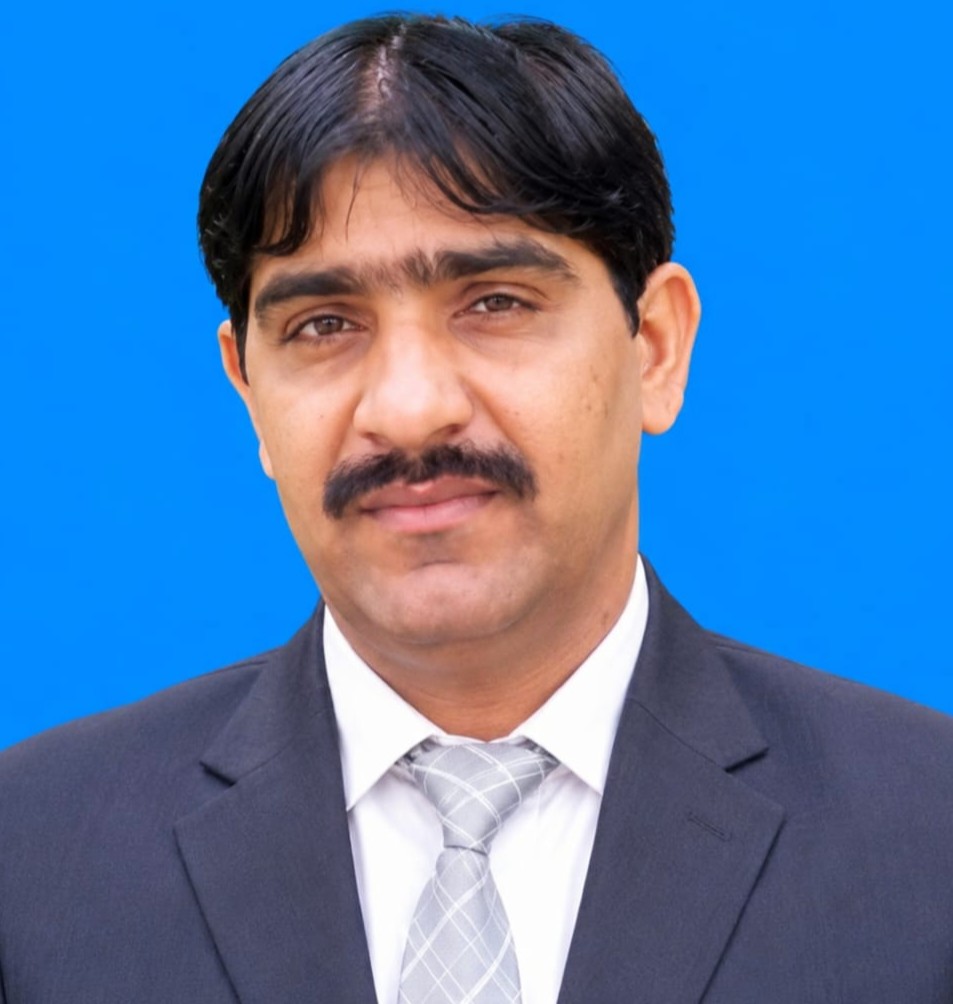
By Mumtaz Ali Shanbani
Hidden within the vast desert belt stretching across Tehsil Saleh Pat in Saleh Pat and Tehsil Nara in Nara, close to Pakistan’s border with India, lies one of the country’s most striking development paradoxes. Beneath the dry, unforgiving landscape are some of Pakistan’s richest reserves of natural gas and oil, resources that contribute significantly to the national economy and energy security. Yet the communities living above these valuable deposits remain among the poorest and most neglected in the country. It is a contradiction that raises uncomfortable questions about development, equity and the true meaning of national progress.
For decades, the people of this remote desert have lived with limited access to even the most basic public services. Children begin their lives with little chance of receiving a proper education because schools are either unavailable or too distant to reach. Families requiring medical treatment often travel for hours across difficult terrain, only to discover that healthcare facilities are inadequate or completely absent. Electricity remains unreliable or unavailable in many settlements, while roads connecting villages to nearby towns are little more than rough tracks across the desert. These conditions isolate communities socially and economically, leaving them excluded from opportunities that many other Pakistanis consider ordinary.
Among the most pressing hardships is the struggle for clean drinking water. In much of this desert, fresh water is not readily available. Families undertake exhausting journeys, often using camels as their only means of transport, to collect water from distant sources. Even after these long journeys, the water they bring home is frequently unsafe for consumption. Contaminated water contributes to preventable diseases, particularly among children, while poor sanitation compounds the health risks. Access to safe drinking water is recognised globally as a fundamental human right, yet for thousands of families in this region it remains a daily challenge that defines every aspect of life.
Livestock provides the principal source of income for most households. Camels, goats, sheep and cattle are not simply animals but the foundation of local livelihoods, savings and food security. During prolonged droughts, however, grazing land disappears and water sources dry up, leading to devastating losses for farming families. The death of livestock often means the loss of an entire family’s income. Climate change has made these droughts increasingly severe and unpredictable, leaving already vulnerable communities exposed to greater economic hardship. Despite these recurring crises, sustained government support for livestock protection, veterinary services and drought relief has often fallen short of what is required.
The contrast between the region’s natural wealth and the living conditions of its people is impossible to ignore. The desert is home to more than one hundred oil and gas wells and several of Pakistan’s most productive energy fields. These resources generate substantial revenues and play an essential role in meeting the country’s energy demands. Major companies, including United Energy Pakistan and Pakistan Petroleum Limited, operate extensively in the area, while strategic assets such as the Qadirpur Gas Field and the Kandhkot Gas Field have long contributed to Pakistan’s energy sector. Yet the communities surrounding these installations continue to live in poverty, with little visible evidence that the wealth extracted from beneath their land has improved their daily lives.
Another persistent concern is the lack of employment opportunities for local residents. Many educated and capable young men and women from nearby villages struggle to find jobs with the very companies operating on their ancestral land. This has created frustration among communities that believe they should share more directly in the economic opportunities generated by local resource extraction. While technical and specialised positions naturally require professional qualifications, companies can still prioritise local recruitment, vocational training and skills development so that surrounding communities are better equipped to participate in the regional economy.
The writer is a social worker and an enthusiastic advocate of human rights and underprivileged community. He can be reached at editorial@metro-morning.com)
