





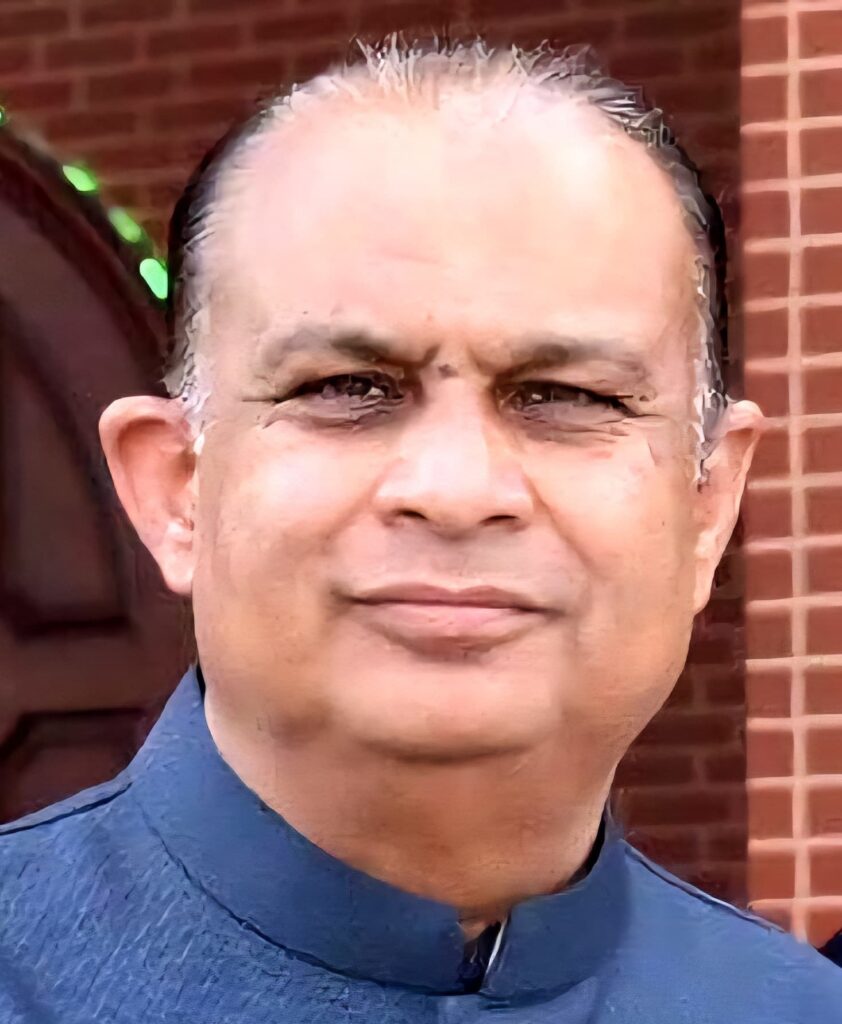
By A Rehman Patel
It is said that in ancient times, a man approached a wise sage and said, “Master, I am overwhelmed by the noise of the world, the chaos of wars, and the endless stream of rumors. My mind has become scattered. Please tell me how I can distinguish truth from falsehood.” The sage smiled, led him to the edge of a pond, and threw a stone into the water. Ripples spread across the surface, disturbing the once calm waters. The sage asked, “Can you see your reflection now?” The man replied, “No. The water has become muddy and unsettled.” The sage waited patiently until the ripples faded and the pond became still again, clear as glass. “Now look,” he said.
The man looked and saw his reflection perfectly. The sage then spoke words that have echoed through history: “As long as both your surroundings and your inner self are shaken by waves of noise, you will never see the face of truth. To recognize reality, you must first find stillness and silence.” This centuries-old parable is perhaps more relevant to the twenty-first century than to any age before it. At first glance, the world today appears to be caught in an uneasy pause. From Ukraine to the Middle East, some battlefields have quietened while others remain trapped in prolonged stalemates without decisive outcomes.
The guns may appear quieter, but another battlefield has become far more relentless: the battlefield of information. Even where the intensity of physical warfare has diminished, an overwhelming flood of information, news, propaganda and social media trends has swept across the world, silently weakening humanity’s ability to think and reason. We live in an extraordinary age where information is abundant, yet thoughtful reflection has become increasingly rare.
Every moment, our computer screens and mobile phones confront us with breaking news, sensational revelations and fresh crises. Before the mind can fully process one event, another trend emerges and pushes yesterday’s headline into oblivion. The consequence is profound: deep thinking and contemplation are slowly disappearing. We are seeing everything, yet understanding very little.
Many of America’s respected newspapers and intellectual circles have raised concerns about this growing intellectual crisis. The debate centers on how, in the age of artificial intelligence and algorithms, human beings are increasingly becoming passive consumers. What we should watch, what we should think about, and even what should provoke our anger are increasingly influenced by technology companies and their algorithms. We believe we are forming independent opinions, while in reality those opinions are often being shaped quietly behind the scenes.
A glance at Pakistan’s current social and political landscape reveals a similar pattern. Many of the country’s leading columnists and thinkers have expressed concern over the growing psychological fatigue within society. From morning until night, the constant noise of television talk shows, sensational YouTube thumbnails and endless WhatsApp forwards has deprived society of calmness, patience and seriousness.
People have grown tired of the news, yet they remain addicted to it. The greatest casualty of this endless noise is our willingness to reflect on larger moral and national questions. Instead, our attention remains trapped within the political spectacles of the day. Somewhere along the way, we forgot that there is a vast difference between information and knowledge. Information comes from outside and often becomes a burden upon the mind. Knowledge, however, is born within, through contemplation, silence and reflection. Books are written only when the mind finds peace.
Wisdom is born when a person steps away from the marketplace of noise and quietly observes the world. No nation can build a meaningful future unless it rises above temporary excitement and commits itself to long-term vision and thoughtful planning. Yet modern humanity has become afraid of solitude. The moment we find ourselves alone, we instinctively reach for our phones and return to the marketplace of endless noise. We have come to regard silence as a weakness, even though history bears witness that every great revolution, every transformative idea and every enduring intellectual masterpiece emerged from the depth of silence.
In the years ahead, the greatest challenge facing humanity may not be another pandemic or another devastating war. It may instead be the struggle to preserve our humanity and intellectual freedom amid this deafening digital noise. The nations and individuals who ultimately succeed will be those who can build a barrier against this flood and protect their minds from the slow erosion of propaganda and manipulation. As I conclude this column, I leave my readers with a simple question: We spend every day trying to understand the world. We follow every headline and every breaking story. But have we ever paused, even for a few moments, to silence the noise around us and truly listen to the voice within?
Because unless we calm the pond within ourselves, the muddy waters around us will never allow us to see the face of truth. Perhaps this week, let us step away from the marketplace of noise and spend a little time on the island of silence. For perhaps the greatest truth of the twenty-first century is no longer hidden in endless streams of information, but in the quiet stillness we have forgotten how to embrace.
(The Pakistani-origin American writer and columnist, sheds light on various social and political issues, can be reached at news@metro-morning.com)
DigitalAge #InformationOverload #Truth #CriticalThinking #MediaLiteracy #ArtificialIntelligence #SocialMedia #FakeNews #Disinformation #Propaganda #MentalHealth #Mindfulness #Silence #Reflection #Wisdom #Technology #DigitalWellbeing #Journalism #Opinion #ThoughtLeadership #Knowledge #Humanity #Pakistan #CurrentAffairs #Society #MetroMorning #WorldNews #Reading #SelfReflection #Peace
