





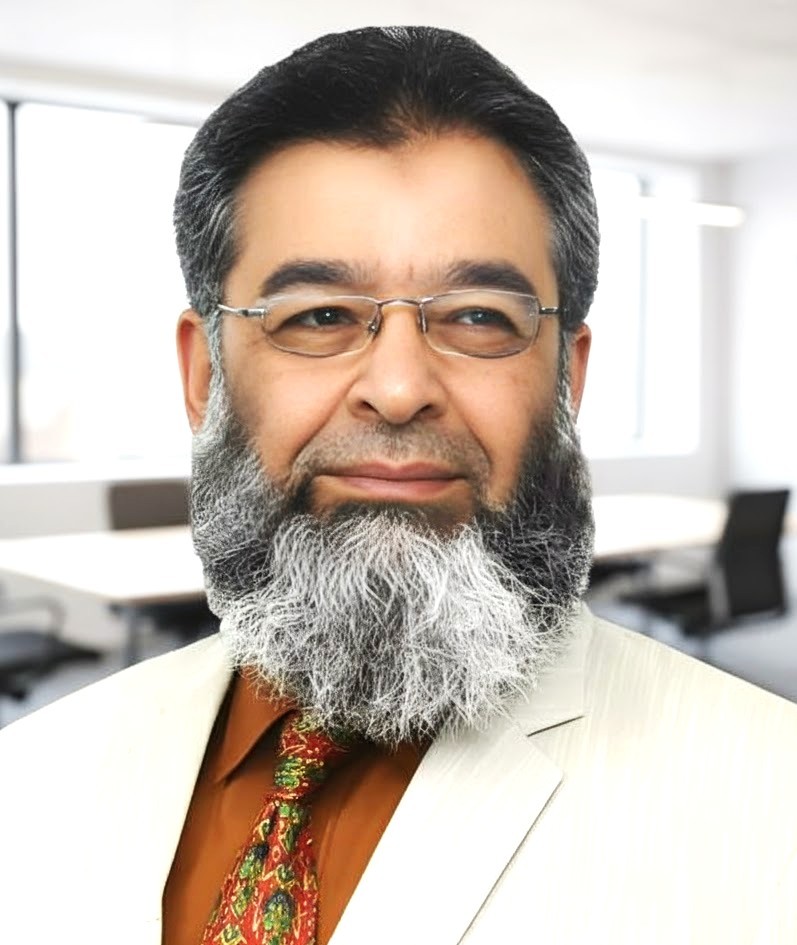
By Muhammad Mohsin Iqbal
The history of Iranian civilization unfolds as one of the grandest tapestries in the story of mankind, spanning more than two thousand five hundred years of recorded glory and endurance. From the sunlit heights of the Achaemenid Empire, founded by Cyrus the Great in 550 BCE, Persia emerged as a beacon of enlightened governance. Cyrus forged a vast, multi-ethnic realm stretching from the verdant plains of the Indus to the shores of the Mediterranean and the hills of the Balkans. Renowned for his wisdom, he respected the customs of conquered peoples and left behind the Cyrus Cylinder, an enduring monument often hailed as an early charter of human rights. This golden epoch of Persian power and refinement met its dramatic close with the conquests of Alexander the Great in 330 BCE.
In time, after the Hellenistic interlude of the Seleucids, native Iranian dynasties reclaimed their heritage. The Parthians held sway from 247 BCE to 224 CE, yet it was the Sassanid Empire, which endured until 651 CE, that restored Persian majesty to its fullest. Sovereigns such as Shapur the First and Khosrow the First advanced learning, architecture, and administrative excellence, standing as formidable rivals to Rome and Byzantium while safeguarding ancient Zoroastrian traditions.
The Arab conquests of the mid-seventh century introduced Islam, which gradually took root and blended richly with Persian culture. During the Abbasid Caliphate, Iranian scholars and administrators played central roles in the brilliance of the Islamic Golden Age. Waves of Turkic, Mongol, and Timurid invaders tested the nation’s resilience, yet its spirit endured. The Safavid dynasty, established in 1501, marked a decisive turning point by declaring Twelver Shia Islam the state religion, thereby weaving a profound and distinct Iranian identity that has defined the land ever since. Subsequent rule by the Afsharid, Zand, and Qajar dynasties unfolded amid internal reforms and growing pressure from European empires.
In 1925, Reza Shah Pahlavi inaugurated a new modernizing dynasty. His son, Mohammad Reza Shah, governed from 1941 until the Islamic Revolution of 1979. Under his rule came rapid Western-style industrialization, women’s suffrage, and the ambitious White Revolution. Yet these changes, coupled with increasing authoritarianism and foreign influence, fueled deep opposition that eventually brought an end to more than two and a half millennia of monarchical rule.
Central to that revolutionary dawn was Ayatollah Ruhollah Khomeini, revered as Imam Khomeini. His outspoken criticism of the Shah’s regime, its land reforms, social changes, and growing reliance on Western, particularly American, power led to repeated arrests. Exiled in 1964, he first travelled to Turkey before settling for more than a decade in Najaf, Iraq. In 1978, at the Shah’s urging, Saddam Hussein expelled him. After being denied entry by Kuwait and several other nations, Khomeini found sanctuary in Neauphle-le-Château near Paris on 6 October 1978. France provided liberal freedoms of expression and superior means of communication. From this quiet corner, he skillfully used interviews, audio recordings, and the international press to rally his countrymen.
When Khomeini passed away on 3 June 1989, Ali Khamenei, who had served as president, was elected Supreme Leader. For more than thirty-six years, he guided the republic through reformist movements, harsh economic sanctions, delicate nuclear negotiations, and complex regional engagements. A steadfast guardian of revolutionary ideals, he maintained a firm position towards the West and Israel while fostering the Axis of Resistance. His leadership came to a sudden and sorrowful end on 28 February 2026. Amid escalating regional conflict, Khamenei, along with members of his family and closest circle, was killed in a joint United States-Israeli airstrike on Tehran. Across Iran, the tragedy was mourned as martyrdom, a sacrifice that stirred profound emotions among the people.
In certain quarters of Washington, there was a confident belief that Iranians had grown weary of Islamic governance. Plans were reportedly prepared to restore the son of the late Shah, with expectations that crowds would welcome a return to monarchy under foreign patronage. The martyrdom of religious leaders, followed by heavy losses among civil and military ranks, was viewed by some as an opportunity to reshape Iran’s political future. Yet reality challenged those assumptions. Far from embracing the proposed restoration, the Iranian people poured into the streets in waves of grief and defiance. Angered by what they saw as an assault on their sovereignty, they honored the fallen leaders and stood firmly behind the nation’s independence.
Though patient diplomatic efforts, notably assisted by Pakistan, eventually brought adversaries to the negotiating table, lasting peace in the region has yet to be achieved. Many obstacles remain. Nevertheless, the Iranian leadership has demonstrated, through supreme sacrifice, that it remains prepared to place itself ahead of the people in moments of crisis. In doing so, it has sought to complete the historic process of national awakening and consolidation begun by Imam Khomeini. The Iranian nation, shaped by centuries of grandeur and hardship, has once again affirmed its attachment to self-determination and cultural pride. Time, in its measured wisdom, will reveal the ultimate course of events, yet the enduring spirit of this ancient civilization continues to stand as a symbol of resilience and faith.
(The writer is a parliamentary expert with decades of experience in legislative research and media affairs, leading policy support initiatives for lawmakers on complex national and international issues, and can be reached at editorial@metro-Morning.com)
Iran #Persia #IranianHistory #PersianCivilization #MiddleEast #CyrusTheGreat #AchaemenidEmpire #SassanidEmpire #IslamicRepublic #AyatollahKhomeini #AliKhamenei #ShiaIslam #History #Geopolitics #InternationalRelations #WestAsia #RegionalPolitics #AncientCivilizations #GlobalAffairs #CurrentAffairs #Opinion #Analysis #PoliticalHistory #NationalIdentity #Resilience #Culture #MetroMorning #WorldNews #WorldHistory #Editorial
