





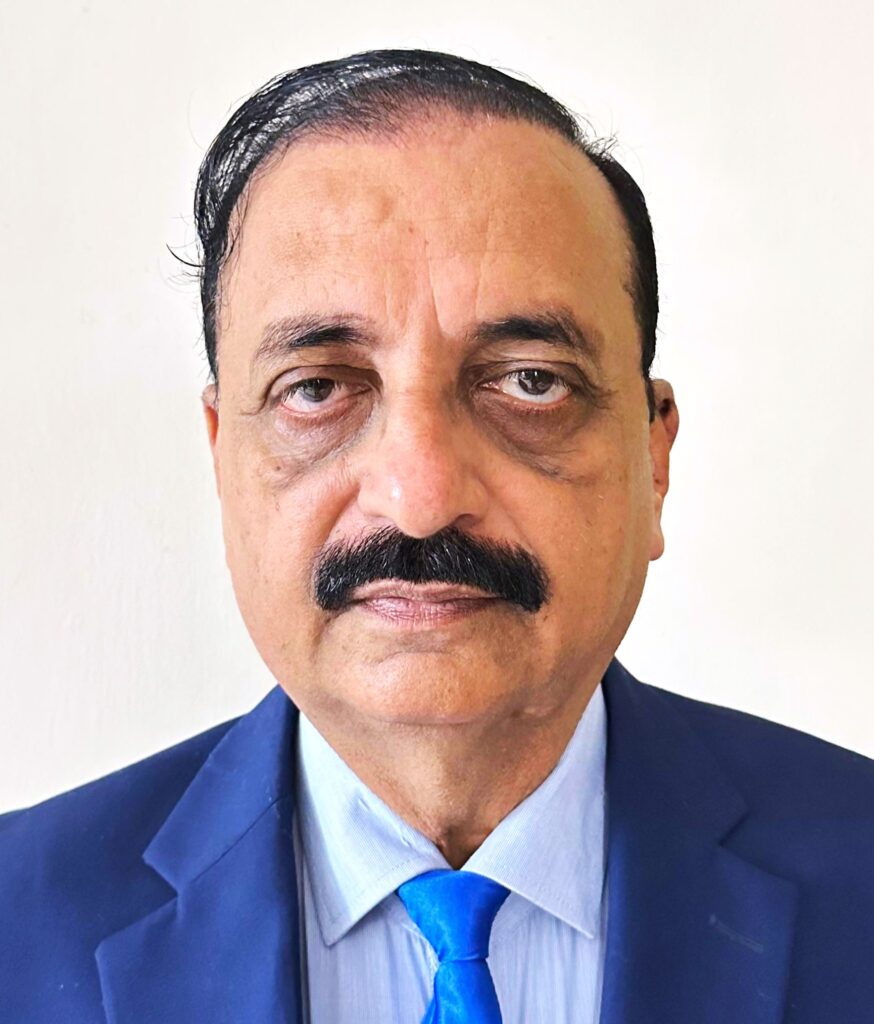
By Pir Ghulam Nabi Shah Jillani
World Hepatitis Day, observed every year on 28 July, is more than a date on the global health calendar. It is a reminder that millions of people continue to live with a disease that is largely preventable, treatable and, in the case of hepatitis C, curable. The international goal of eliminating viral hepatitis as a public health threat by 2030 remains within reach. Yet for countries such as Pakistan, where the burden of hepatitis remains among the highest in the world, the challenge is not a lack of medical knowledge but the difficulty of ensuring that proven solutions reach every community.
Pakistan entered 2026 carrying a heavy hepatitis burden. Around 13.8 million people are estimated to be living with chronic hepatitis B or hepatitis C. Nearly 10 million people are believed to be infected with hepatitis C alone, while about 3.8 million are living with hepatitis B. These figures represent not merely statistics but families coping with chronic illness, workers struggling to maintain their livelihoods and communities facing avoidable health risks. The greatest concern is that only around one-quarter to one-third of those infected are aware of their condition. Millions continue to live with the virus unknowingly, often discovering the disease only after serious liver damage has already occurred.
The silent nature of hepatitis makes it particularly dangerous. Most infected people experience few or no symptoms in the early stages. They continue with their daily lives while the virus gradually damages the liver. By the time many patients seek medical attention, complications such as cirrhosis or liver cancer may already have developed. Early diagnosis therefore remains one of the most effective tools in reducing deaths and preventing further transmission. Pakistan’s exceptionally high rate of hepatitis C infection has developed over many years. It reflects weaknesses in healthcare systems, poor infection control and gaps in public awareness rather than a single cause.
Unsafe injection practices continue to pose one of the greatest risks. The unnecessary use of injections for common illnesses, coupled with the reuse of syringes in some settings, has allowed infections to spread. Although awareness has improved, unsafe medical practices have not been eliminated everywhere. Blood transfusion services also require constant vigilance. While many hospitals and recognized blood banks have strengthened screening procedures, ensuring that every blood donation is properly tested remains essential. Even isolated failures in screening can have devastating consequences for patients who require lifesaving transfusions.
Outside hospitals, everyday practices continue to contribute to transmission. Unsterilized razors used in barber shops and poorly regulated tattooing or piercing services remain common concerns. These risks are preventable, yet they persist because awareness is uneven and enforcement of safety standards remains inconsistent. Public education must therefore extend beyond hospitals and clinics to places where people may not recognize the danger. The government, together with international health partners, has taken important steps in recent years. Hepatitis screening programs have expanded in many parts of the country.
Greater access to direct-acting antiviral medicines has transformed hepatitis C treatment, offering cure rates that were once unimaginable. Hepatitis B vaccination, delivered through the Expanded Program on Immunization, continues to protect new generations of children from infection. Public awareness campaigns supported by national authorities and the World Health Organization have also helped increase understanding of prevention and treatment. These developments demonstrate that progress is possible when political commitment is matched with investment. Medical science has already provided the necessary tools. The challenge now lies in delivering them consistently, fairly and on a national scale.
Despite these advances, significant obstacles remain. Millions of people have never been tested because healthcare services are difficult to reach, particularly in rural and underserved areas. Many individuals cannot afford repeated travel to medical facilities or the indirect costs associated with diagnosis and treatment. Others remain unaware that effective treatment is available. Delayed diagnosis not only increases the risk of severe illness but also allows the virus to continue spreading within communities.
Healthcare facilities must also strengthen infection prevention and control. Every clinic, hospital and private practice should follow strict standards for sterilization, safe injections and waste disposal. These measures are neither expensive nor complicated compared with the enormous human and financial costs of treating advanced liver disease. Stronger regulation and regular monitoring are essential to ensure that patient safety becomes the norm rather than the exception.
The role of public awareness cannot be overstated. People should understand that hepatitis is not spread through ordinary social contact. Fear and stigma discourage many individuals from seeking testing or discussing their condition openly. Replacing misinformation with accurate health education would encourage earlier diagnosis and greater acceptance of treatment. Schools, workplaces, religious institutions and community organizations all have a role in promoting this message.
The World Health Organization continues to stress that hepatitis can be prevented, diagnosed and treated, while hepatitis C can be cured. Achieving elimination by 2030 will require stronger political leadership, universal access to screening, wider vaccination coverage, safer healthcare practices and uninterrupted availability of treatment. Success will depend on coordinated action by governments, healthcare professionals, civil society and communities themselves.
(The writer is a senior retired government health official and served more than 30 years in the Public Sector on various executive, managerial and administrative positions with large administrative and clinical experience. He has keen interest in national, international affairs, and geopolitics. He can be reached at editorial@metro-morning.com)
WorldHepatitisDay #Hepatitis #HepatitisB #HepatitisC #PublicHealth #PakistanHealth #HealthAwareness #LiverHealth #DiseasePrevention #Screening #Vaccination #WHO #Healthcare #HealthEducation #SafeInjections #MedicalSafety #GlobalHealth #Pakistan #Opinion #MetroMorning
