





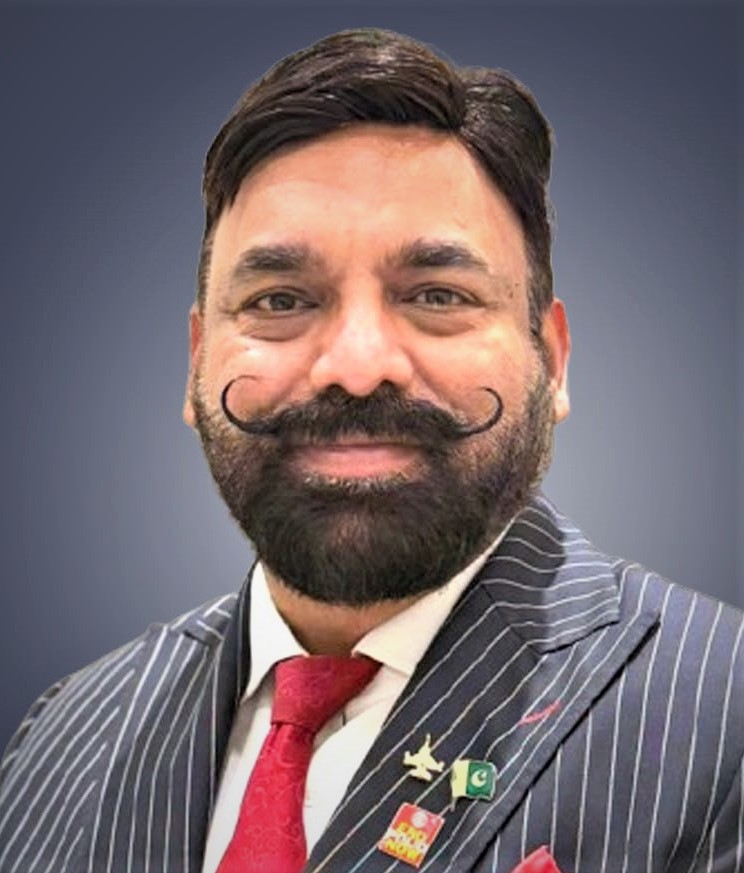
By Atif Iqbal
The future is no longer approaching gradually; it is unfolding at a pace that is transforming societies, economies and workplaces across the world. Artificial intelligence, digital innovation and global competition are redefining how people communicate, learn and earn. For the younger generation, the challenge is not merely to adjust to these changes but to develop the vision, confidence and skills required to shape them. For decades, academic qualifications have been considered the primary pathway to success. Degrees, examinations and professional certifications remain valuable, providing individuals with essential knowledge and discipline. Yet the demands of the modern world have expanded beyond traditional measures of achievement.
A rapidly changing economy requires people who can think critically, adapt quickly and find creative solutions to complex problems. Knowledge alone is no longer enough; the ability to apply that knowledge effectively has become equally important. Employers across industries are increasingly seeking individuals who possess a combination of technical expertise and human skills. Communication, teamwork, emotional intelligence and the ability to navigate uncertainty are becoming essential qualities in the workplace. The professionals who will thrive in the coming decades will not necessarily be those who know the most information, but those who can continue learning, collaborate with others and respond intelligently to new challenges.
This changing environment places a greater responsibility on parents, teachers and educational institutions. Preparing young people for the future cannot be limited to academic instruction alone. Children and young adults must be encouraged to develop curiosity, confidence and independence. A student who learns to question, explore and accept failure as part of growth is better prepared to face the realities of life beyond the classroom. Education should aim to develop individuals who are not only capable workers but also responsible citizens. Confidence, resilience and ethical awareness are qualities that cannot be gained through textbooks alone.
They are built through experience, encouragement and opportunities to participate in real-world situations. Young people need spaces where they can experiment, make decisions and learn from mistakes without fear of failure. Technology represents one of the greatest opportunities and challenges of this era. Digital platforms, artificial intelligence and online learning tools have created access to knowledge and opportunities on an unprecedented scale. A young person today can acquire skills, connect with global communities and explore professional opportunities that were unavailable to previous generations. However, technological advancement must remain guided by human values.
Innovation without integrity can create new risks, while progress combined with empathy and responsibility can improve societies. The leaders of tomorrow will need a broader understanding of leadership itself. Authority and position alone no longer define effective leadership. Modern leaders are expected to inspire trust, encourage collaboration and create environments where others can succeed. The ability to listen, understand different perspectives and make balanced decisions will be as important as technical competence. Leadership qualities are developed gradually through mentorship, practical experience and continuous self-improvement.
Young professionals must understand that meaningful success is rarely achieved instantly. In an age where social media often highlights quick achievements and overnight success stories, the importance of patience, dedication and perseverance is sometimes overlooked. Sustainable careers are built through consistent effort, lifelong learning and the courage to overcome setbacks. Every challenge faced by young people can become an opportunity for growth. Failures, disappointments and difficult decisions often provide lessons that cannot be learned through formal education. Those who remain open to learning and willing to improve themselves are more likely to emerge as capable professionals and future leaders.
The private sector and business community also have a crucial role in shaping the future workforce. Organizations that invest in young talent through mentorship programs, training opportunities and meaningful responsibilities contribute not only to their own success but also to national development. Young professionals need guidance from experienced leaders who can help them understand workplace realities and encourage innovation. For countries seeking economic growth and social progress, investing in young people is not an option but a necessity. The strength of any nation depends on the skills, creativity and values of its next generation.
A workforce equipped with modern skills, ethical principles and the confidence to embrace change can become a powerful driver of development. Preparing young people for tomorrow requires a broader vision of education and leadership. The future belongs to those who can combine knowledge with creativity, technology with humanity and ambition with responsibility. By nurturing these qualities today, societies can build a generation capable of leading innovation, strengthening economies and creating a more resilient future.
(The writer is a philanthropist and a renowned businessman. He has keen interest in social and political issues. He can be reached at editorial@metro-morning.com)
#NextGeneration #Youth #FutureSkills #ArtificialIntelligence #DigitalInnovation #Education #FutureOfWork #YoungProfessionals #Leadership #LifelongLearning #CriticalThinking #EmotionalIntelligence #Technology #Innovation #CareerDevelopment #YouthEmpowerment #SkillDevelopment #NationalDevelopment #FutureLeaders #Pakistan #SocialProgress #EconomicGrowth #DigitalTransformation
