





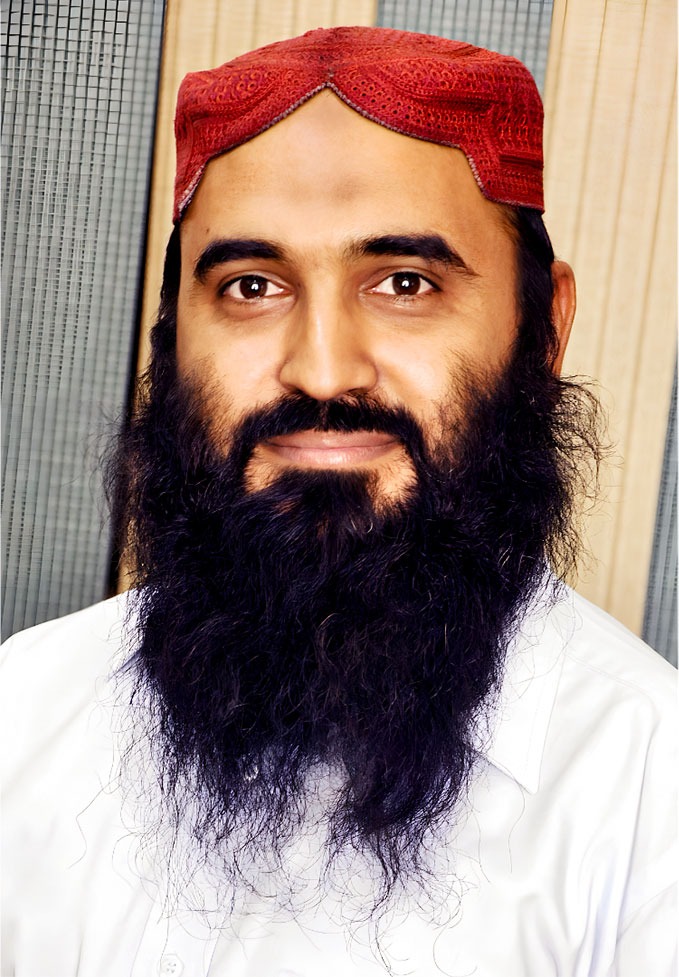
By M Rashid Tabassum
Every year on August 5, International Traffic Light Day reminds the world of a simple but powerful reality: roads become safer not only through technology and infrastructure, but through human responsibility. Traffic lights may appear to be ordinary devices placed at crowded intersections, yet they represent something much deeper. They are symbols of order, discipline and a collective agreement that every life on the road matters. In rapidly expanding cities, where populations are growing and the number of vehicles continues to rise, traffic management has become one of the defining challenges of modern urban life.
Roads that were once designed for smaller communities are now struggling to accommodate millions of vehicles, creating congestion, pollution and increased risks for motorists and pedestrians alike. The history of traffic signals reflects humanity’s long effort to bring order to increasingly busy streets. The first traffic signal was tested in London in 1868, although it failed because of technical problems. Decades later, on August 5, 1914, the first successful electric traffic signal was installed in Cleveland, United States, marking the beginning of a new era in road management.
What started as a simple red-and-green light system has now developed into sophisticated networks using cameras, sensors and artificial intelligence. Today, many countries use advanced technology to monitor traffic movement, reduce delays and improve road safety. Smart traffic systems can adjust signal timings according to traffic conditions, helping cities manage congestion more efficiently while reducing fuel consumption and emissions. Pakistan has also moved towards modern traffic management through initiatives such as those introduced by the Punjab Safe Cities Authority, where surveillance technology and digital systems are being used to improve enforcement and public safety.
However, technology alone cannot solve the global road safety crisis. The greatest challenge remains human behavior. The most advanced traffic system can fail if drivers ignore basic rules and treat roads as places of competition rather than shared public spaces. According to the World Health Organization, around 1.16 million people lose their lives every year in road traffic crashes worldwide, while millions more suffer injuries that often leave them with lifelong disabilities. Many of these deaths are preventable. Speeding, distracted driving, failure to wear helmets and seat belts, and ignoring traffic signals remain among the leading causes of road tragedies. Even a moment of carelessness can change a family’s future forever.
Pakistan’s road safety situation highlights the seriousness of this challenge. Thousands of people lose their lives every year in traffic accidents, placing a heavy social and economic burden on the country. According to the World Health Organization, around 28,000 people died in road crashes in Pakistan in 2021. Rescue 1122 has also reported thousands of deaths from road accidents in Punjab, showing that road safety remains a major public concern. Beyond the loss of human lives, road accidents carry significant economic costs. Medical expenses, loss of productivity and damage to infrastructure create a financial burden that affects families as well as the national economy.
Behind every accident statistic is a human story — a parent, a child, a worker or a student whose life has been suddenly disrupted. Motorcycles remain one of the most vulnerable forms of transport in Pakistan. Their increasing use, combined with unsafe driving practices, has contributed significantly to the number of accidents. Speeding, riding without helmets, dangerous stunts, travelling against traffic and ignoring signals are among the behaviors that continue to put thousands of lives at risk. Pedestrians are also among the most affected groups, demonstrating the urgent need for safer crossings, better urban planning and greater respect for those who walk on city streets.
The solution does not lie only in imposing stricter laws or installing more cameras. Laws are effective only when people believe in the purpose behind them. Road safety begins with individual choices: stopping at a red light, allowing pedestrians to cross, maintaining speed limits and avoiding mobile phones while driving. A culture of responsible driving cannot be created overnight. It requires continuous education and awareness, beginning from schools and homes. Children should learn from an early age that traffic rules are not restrictions but protections.
Parents, teachers, media organizations and government institutions all have a role in creating a society where responsible behavior on roads becomes a shared value. International Traffic Light Day is therefore not merely about celebrating an invention. It is a reminder that every signal carries a message of patience and respect. A few seconds spent waiting at a red light may appear insignificant, but those moments can prevent a tragedy. Ultimately, traffic lights are not just about controlling vehicles; they are about protecting human lives. Respecting them is not simply an act of following the law. It is an expression of respect for fellow citizens and for the precious value of life itself.
(The writer is a Lahore-based columnist who writes on Islamic affairs, youth development, labor rights, and public policy. He can be reached at editorial@metro-morning.com)
#InternationalTrafficLightDay #TrafficSafety #RoadSafety #TrafficRules #TrafficLights #SafeRoads #RoadAccidents #Pakistan #PakistanRoadSafety #TrafficManagement #UrbanSafety #RoadSafetyAwareness #ResponsibleDriving #DriveSafe #PedestrianSafety #MotorcycleSafety #HelmetSafety #SeatBeltSafety #TrafficDiscipline #SafeCities #SmartTraffic #PunjabSafeCities #RoadSafetyCrisis #PublicSafety #TrafficAwareness #SaveLives #StopAtRed #SafeDriving #RoadSafetyPakistan #TrafficLaws #M_Rashid_Tabassum
