





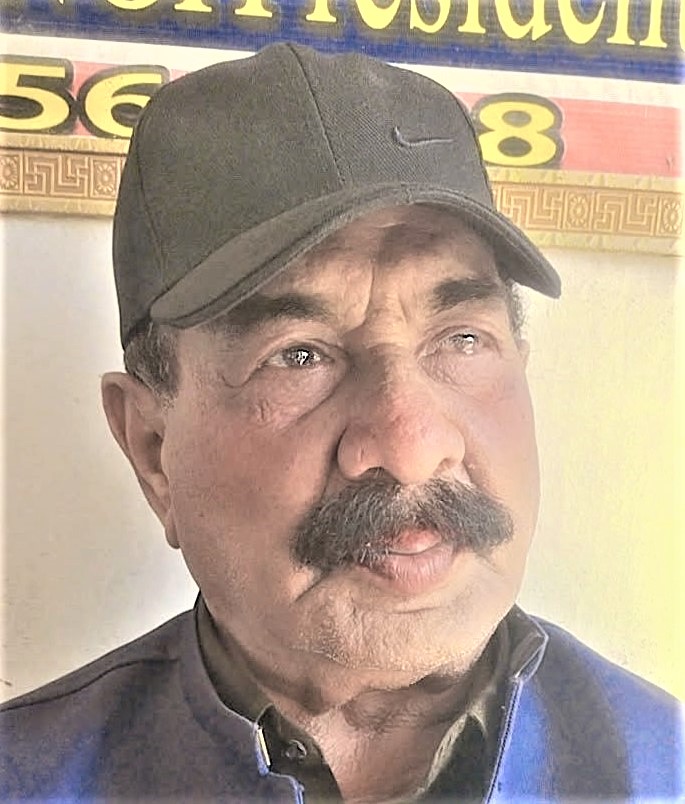
By Naz Solangi
Sindh has long represented something larger than its geography. Its history, culture and traditions have been shaped by people of different languages, communities and faiths living alongside one another. From the ancient civilization of Mohenjo-daro to the cultural life of its modern cities and towns, the province has carried a tradition of coexistence that remains one of its greatest strengths. But that tradition cannot be taken for granted. Sindh today faces an uncomfortable question: can it preserve its plural character at a time when political, ethnic, linguistic and regional differences are increasingly finding expression in public life?
The answer will depend not only on governments or political parties but on the willingness of ordinary citizens to resist narratives that turn difference into suspicion and disagreement into hostility. There is nothing unusual about differences of opinion. In a democratic society, they are inevitable and often necessary. People will disagree about politics, development, language, resources and the direction of government. The danger begins when disagreement ceases to be about ideas and becomes a question of identity, when a political argument is transformed into an argument between communities. That is the point at which a society begins to lose sight of its common interests.
The cost of division is rarely paid by those who create the loudest arguments. It is usually borne by ordinary people. When communities become suspicious of one another, trust declines. When trust declines, cooperation becomes more difficult. And when cooperation weakens, the problems that affect everyone become harder to solve. Sindh has no shortage of such problems. A young person in Karachi looking for employment has little reason to care whether the person facing the same economic uncertainty elsewhere in the province speaks another language. A student in Larkana wants a functioning school and competent teachers just as a student in Hyderabad does.
A laborer in Thar needs reliable healthcare, clean water and economic opportunity no less than a worker in Karachi. A trader in Hyderabad wants security and predictable public services in the same way that a business owner in Sukkur or Mirpurkhas does. These are not ethnic demands. They are human demands. This is why Sindh’s political and social conversation should be centered more firmly on the issues that unite its people. Employment, education, healthcare, water, sanitation, infrastructure, public safety, justice and accountable government do not belong to one language group or one geographical area. They belong to everyone.
The province’s diversity should be understood in the same way. Sindh is not strong despite its differences; it is strong partly because of them. Its languages, traditions, music, literature, cuisine and customs have developed through centuries of interaction. That cultural richness is an asset that cannot be reproduced through political slogans or administrative boundaries. Yet diversity requires something in return: tolerance. Tolerance does not mean that citizens must agree with one another. It means accepting that others have the right to hold different opinions, preserve their cultural identity and participate equally in public life. It requires a degree of restraint, particularly in an age when social media can turn an angry statement into a provincial controversy within minutes.
Political leaders, community representatives, intellectuals, journalists and ordinary citizens all have a responsibility to consider the consequences of the language they use. Rhetoric that may appear politically useful in the short term can deepen divisions that take years to repair. Once communities begin to see one another through stereotypes, facts become less important and suspicion becomes easier to sustain. Sindh has experienced enough of this cycle to understand its consequences. The province does not need another politics built around permanent confrontation. It needs a political culture in which legitimate grievances can be expressed without questioning the dignity or belonging of other citizens.
There must be room for debate over provincial rights, resources, development and representation, but such debates should be conducted through constitutional and democratic means. No community should be expected to surrender its identity in order to participate in the province’s future. At the same time, no identity should be used as a justification for excluding another citizen. Equality before the law is not merely a constitutional principle; it is the foundation on which social trust is built. This is particularly important for Sindh’s younger generation. Young people are growing up in a province where economic pressures, unemployment and uncertainty already place considerable strain on their expectations.
They should not also inherit the burden of divisions created by previous generations. The youth need opportunities, not hostility. They need education that equips them for a changing economy, employment that allows them to live with dignity and institutions that give them confidence in their future. They need to believe that their success does not depend on the failure of someone from another community. The elderly, too, have a stake in preserving social harmony. They have witnessed the changes that have taken place across Sindh and understand how quickly relationships between communities can be damaged when political disputes are allowed to become social conflicts. Their experience should serve as a reminder that rebuilding trust is considerably harder than destroying it.
(The writer is journalist and keen observer, and has great potential in national and international politics. He can be reached at editorial@metro-morning.com)
Sindh #SindhNeedsUnity #UnityInSindh #SindhTogether #SindhCulture #SindhDiversity #SocialHarmony #Peace #Tolerance #Democracy #Equality #SindhPolitics #ProvincialRights #YouthOfSindh #Development #Education #Healthcare #GoodGovernance #Pakistan #NazSolangi
