





News Desk
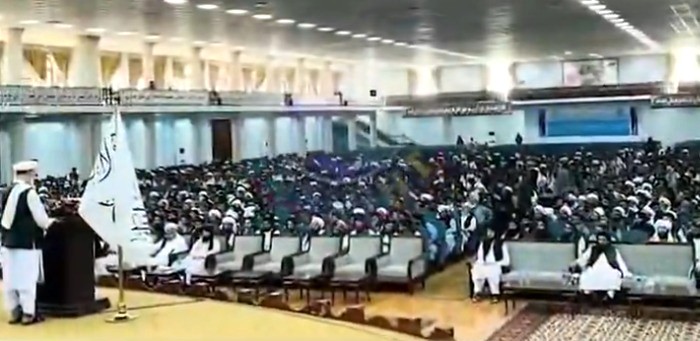
KABUL: In a rare public display of clerical concern, more than a thousand religious scholars convened in Kabul this week to urge Afghanistan’s rulers to prevent the country from being used as a base for attacks on neighboring states.
The gathering, which drew voices from across the country’s Islamic scholarly community, adopted a resolution asserting that anyone crossing into Pakistan to carry out armed operations should be considered a rebel acting against Islamic principles. Observers said the move highlighted growing unease among Afghanistan’s clerics over the risks posed by unregulated militant activity on their soil.
Sources familiar with the deliberations told reporters that the scholars specifically criticized the operations of groups such as the Balochistan Liberation Army (BLA), alleging that some of these movements were pursuing agendas allegedly encouraged by India. The clerics framed such activities as “un-Islamic missions” that not only endangered regional stability but also threatened Afghanistan’s standing as a state committed to non-interference.
They pressed the Taliban government to articulate and enforce a clear policy preventing Afghan territory from being exploited as a launchpad for cross-border attacks. The call from Kabul’s religious community came amid heightened tensions between Afghanistan and Pakistan, with Islamabad repeatedly accusing militants operating from Afghan soil of orchestrating deadly attacks across the border.
While the Taliban authorities have long rejected claims that they host or support such groups, the resolution revealed a rare internal pressure from influential clerical circles advocating restraint and caution. Analysts said the gathering could signal a subtle shift in Afghanistan’s domestic discourse, with traditional religious authorities seeking to temper militant agendas and prevent the country from further diplomatic isolation.
