





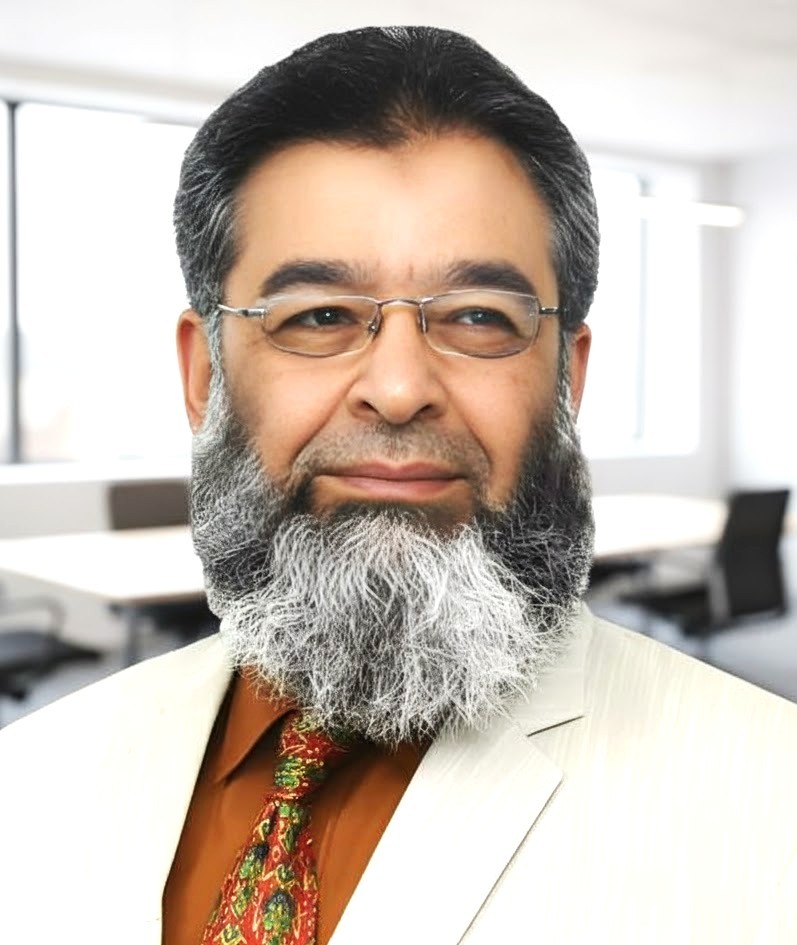
By Muhammad Mohsin Iqbal
The events of May 2025 altered the political mood of South Asia in ways that neither Islamabad nor New Delhi could easily ignore. What began as another dangerous episode of confrontation between Pakistan and India soon developed into something far more consequential: a test not only of military preparedness, but of diplomatic credibility, regional trust and political maturity. In that contest, Pakistan emerged with a confidence that extended beyond the battlefield, while India found itself struggling to control both the narrative abroad and the criticism gathering at home.
The brief confrontation exposed the fragility of the image carefully cultivated by Prime Minister Narendra Modi’s government over the past decade. India had long sought to present itself as the region’s unquestioned power, a state capable of shaping the strategic direction of South Asia while commanding admiration from Western capitals and Gulf monarchies alike. Yet the events of May disrupted that perception. Pakistan’s response proved more organised and resolute than many international observers had anticipated, and India suddenly found itself confronting an uncomfortable reality: military superiority cannot simply be asserted through rhetoric or spectacle.
What proved particularly damaging for New Delhi was the international discussion that followed. The repeated remarks by the American president regarding India’s setback carried immense symbolic significance. Such statements, delivered publicly and on major international platforms, weakened India’s attempts to reshape the narrative in its favour. Diplomacy often turns as much on perception as on fact, and in this instance the perception that emerged was one of Indian overreach followed by strategic embarrassment.
Pakistan, meanwhile, appeared increasingly composed. Instead of allowing military success to harden into triumphalism, Islamabad shifted attention towards diplomacy and regional stability. This distinction mattered. In moments of crisis, nations are judged not merely by how they wage conflict, but by how they behave once the immediate danger subsides. Pakistan’s outreach to Gulf capitals and European partners projected the image of a country seeking restraint rather than escalation. That approach strengthened Islamabad’s standing at a time when many states across the Middle East were growing anxious about the prospect of a wider regional war.
The Gulf crisis that followed further sharpened the contrast between the two rivals. As tensions spread across the region and fears mounted of direct confrontation involving Iran, Israel and several Arab states, Pakistan positioned itself as a mediator willing to encourage dialogue among all parties. Quiet diplomacy rarely attracts dramatic headlines, yet it often shapes outcomes more effectively than public declarations. Pakistan’s engagement with Gulf governments and Washington reflected an understanding that stability in the Middle East is inseparable from stability in South Asia, particularly for a country whose economic and human ties with the Gulf remain profound.
India’s conduct during the same period invited greater scrutiny. Reports of intelligence cooperation and strategic alignment with Israeli interests reinforced perceptions that New Delhi had chosen sides in an increasingly polarised regional environment. While every state pursues alliances according to its own interests, the danger arises when those alignments create distrust among nations already living under the shadow of conflict. For many observers in the Muslim world, India appeared less concerned with reducing tensions than with advancing geopolitical rivalries through indirect means.
Such perceptions carry consequences. The Gulf states today are not passive actors dependent upon outside direction. They are increasingly assertive powers capable of balancing multiple relationships simultaneously. Pakistan understood this reality and approached the crisis through engagement and reassurance. India, by contrast, often appeared motivated by resentment at Pakistan’s growing diplomatic relevance. In international politics, jealousy is rarely an effective strategy.
The attempt to create suspicion between Pakistan and the United Arab Emirates also reflected this broader contest for influence. Claims that Pakistan had somehow abandoned its Gulf partners during Iranian missile exchanges ignored Islamabad’s consistent emphasis upon de-escalation. Pakistan’s relationship with the UAE is neither temporary nor transactional. It is rooted in decades of cooperation, migration, labour, military assistance and political goodwill. From the formative years of the federation in the 1970s to the extraordinary economic transformation that followed, Pakistanis contributed significantly to the building of modern Emirati society. Millions of families on both sides remain connected through commerce, education and shared experience.
Pakistan’s diplomatic posture during these crises also highlights an important shift within its foreign policy establishment. Islamabad increasingly recognises that influence in the modern world depends not solely upon military capability, but upon credibility, consistency and the ability to build trust across competing camps. The appointment of experienced diplomats such as Shafqat Ali Khan reflects that broader understanding. At a moment when the Muslim world faces fragmentation, conflict and external pressure, Pakistan has sought to present itself as a voice advocating cooperation rather than division.
In an era increasingly defined by disorder and fractured alliances, countries that demonstrate steadiness and restraint earn lasting respect. Pakistan’s recent diplomacy has strengthened that perception abroad. Whether it can sustain such credibility in the years ahead will depend upon wisdom, discipline and continued engagement with the wider region. But for now, Islamabad has succeeded in presenting itself not as a source of turbulence, but as a state determined to prevent it.
(The writer is a parliamentary expert with decades of experience in legislative research and media affairs, leading policy support initiatives for lawmakers on complex national and international issues, and can be reached at editorial@metro-Morning.com)
