





By Abdul Waheed Sheikh
HYDERABAD: The Sindh Professors and Thinkers Society has called for institutional reforms at the Board of Intermediate and Secondary Education Hyderabad, citing concerns over examination results, transparency and difficulties faced by students.
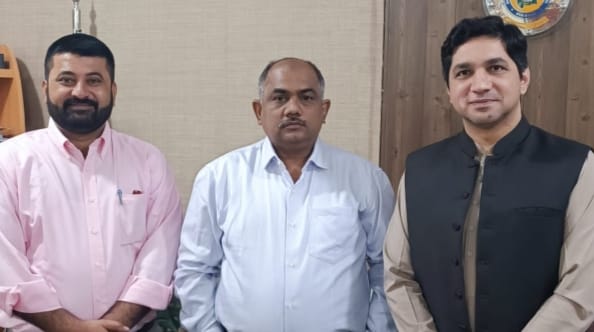
The society’s founding chairman, Professor Asif Zahoori, and other members held a detailed meeting with the Controller of Examinations Engineer Shakeel Ahmed Laghari to discuss the board’s performance, examination-related problems faced by students and long-standing issues confronting teachers.
The society said concerns had grown over discrepancies in students’ grades in matriculation and intermediate examinations and their performance in entrance tests for leading professional universities in Sindh and other parts of the country.
It argued that the gap raised questions about the reliability of examination results and the standard of students’ actual academic performance. It also raised concerns about the quality of paper checking and alleged manipulation of marks in information technology systems and manual records.
The group identified a lack of transparency, alleged political interference and irregularities in the assessment process as factors that had damaged the board’s reputation.
The society said students from remote and underdeveloped areas, including Tharparkar, Matiari, Tando Muhammad Khan, Jamshoro and Badin, faced additional difficulties. Female students were particularly affected by limited public transport, inadequate facilities at examination centres and administrative problems.
It said the board had lacked a long-term reform plan over the past two decades, leaving the institution vulnerable to political considerations and administrative instability.
The society welcomed the Sindh government’s appointment of Mr Laghari, a telecommunications engineering expert from Mehran University of Engineering and Technology, as controller of examinations. It said the position had faced temporary appointments, additional charges given to junior officers and political interference over the past three decades, contributing to administrative and financial difficulties.
The group expressed hope that Mr Laghari would use his technical and administrative experience to strengthen examination controls, improve monitoring and reduce human errors and opportunities for malpractice.
It also stressed the need for digital automation and stronger security measures to prevent question paper leaks and manipulation of examination results.
During the meeting, Professor Zahoori reaffirmed the society’s commitment to supporting the Hyderabad board in restoring transparency, merit and the rights of students and teachers.
He said the society would extend all possible cooperation to help restore the institution’s standing and promote a modern, fair and transparent examination system for the next generation.
