




The govt has prioritized making cars with engine capacities below 1,300cc more affordable, following special attention from PM Shehbaz Sharif to reducing prices for ordinary buyers
By our correspondent
ISLAMABAD: The federal government has announced a new automobile policy aimed at making locally manufactured vehicles more affordable, promoting electric mobility and expanding Pakistan’s automobile exports over the next five years.
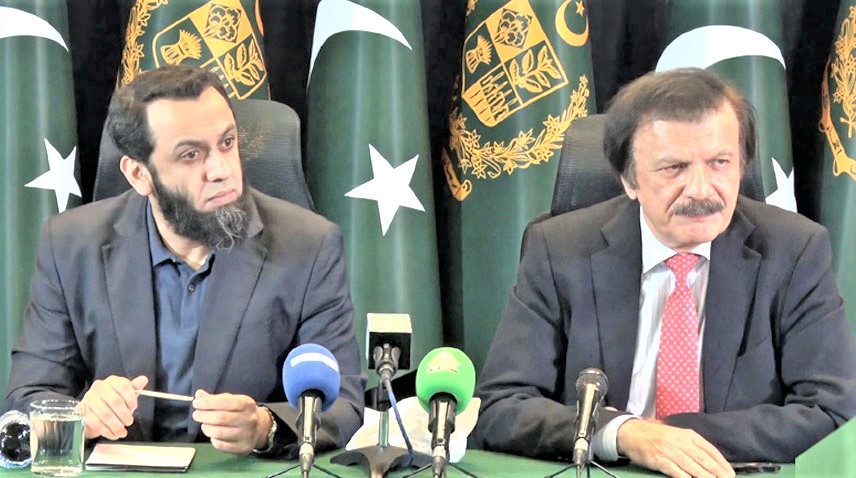
The main features of the policy were outlined by Adviser to the Prime Minister on Industries and Production Haroon Akhtar Khan at a news conference in Islamabad. Information Minister Attaullah Tarar was also present.
Haroon Akhtar said the policy rested on six basic pillars, including affordable vehicles for the middle and lower-middle classes, export growth, promotion of electric vehicles, greater localization, vehicle safety and transparency in the automobile industry.
The minister said the government had reduced import duties to lower manufacturing costs and encourage the production of affordable vehicles within the country. The move was expected to help make locally assembled and manufactured vehicles more accessible, particularly to people from lower-income households.
The adviser said Prime Minister Shehbaz Sharif had given special attention to reducing the prices of vehicles with engine capacities below 1,300cc. He said the government wanted to improve access to personal transport for ordinary citizens while strengthening domestic manufacturing.
He added that special measures had been included in the policy to increase the use of locally manufactured components and expand automobile exports. The government had set a target of $6 billion in exports of automobile products over the next five years.
Addressing the news conference, Tarar said the new policy was designed to promote local manufacturing and exports while ensuring the availability of affordable, quality and environmentally friendly vehicles.
Tarar said the prime minister had directed the government to create better facilities for middle-class consumers in the automobile sector. He said affordability and access to modern transport had remained important considerations in preparing the new framework. He said the policy had been prepared after consultations with relevant stakeholders. The information minister also highlighted the growing use of electric motorcycles and scooters, particularly among women and students. He said an increasing number of girls and women were using electric scooters to travel to schools, colleges and workplaces, making the expansion of electric mobility an important requirement.
