





Oman remained the quiet conduit for de-escalation, even as hardened positions in Washington and Tehran exposed the fragility of diplomacy behind closed doors
By Pervaiz Mughal
ISLAMABAD: Iran’s foreign minister, Abbas Araghchi, held a fresh round of high-level talks in Islamabad after returning from Oman, as Pakistan continued its careful effort to keep fragile diplomatic channels open between Tehran and Washington.
The visit, his second to the Pakistani capital in as many days, came at a moment of uncertainty after Donald Trump abruptly cancelled a planned visit by his envoys, raising fresh doubts over the trajectory of the stalled peace process. Araghchi called on Pakistan’s army chief, Asim Munir, who has increasingly been seen as a central interlocutor in the quiet mediation efforts.
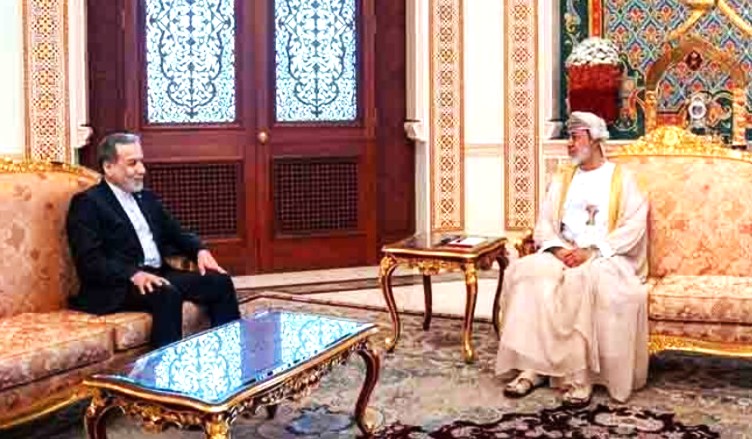
The meeting followed Araghchi’s stop in Muscat, where he had conferred with Haitham bin Tariq on regional security, particularly the stability of the Strait of Hormuz, a critical artery for global energy supplies. Officials familiar with the discussions suggested that Oman remained a key backchannel for de-escalation, even as positions between Iran and the United States appeared to harden.
According to Iran’s state-linked Iranian Students’ News Agency, Araghchi used his Islamabad engagements to outline Tehran’s position on what it described as a comprehensive framework aimed at ending the conflict entirely. The language signalled Iran’s preference for a structured agreement rather than incremental concessions, though there were indications that internal consultations in Tehran were still ongoing. Iranian envoys had returned home briefly to secure fresh guidance, underscoring the fluidity of the negotiating stance.
The diplomatic momentum, however, was disrupted when Trump announced he had cancelled a proposed visit by his special envoy Steve Witkoff and adviser Jared Kushner to Pakistan. Speaking to Fox News, Trump dismissed the value of continued talks, saying there was little point in “sitting around talking about nothing”. Yet his remarks hinted at the volatile nature of the negotiations; he claimed that Iran had quickly revised its proposal within minutes of his decision, suggesting that pressure tactics might still be shaping the diplomatic exchange.
Despite the abrupt shift, Trump stopped short of signaling an immediate return to open confrontation, saying the situation remained under consideration. His comments came amid heightened tensions in Washington following a security incident at a high-profile media event, though he downplayed any connection to Iran.
