




By Prof Dr Tanweer Hussain Phulpoto
Concerns over recruitment practices in Karachi-based industries have raised serious questions about merit, institutional bias and equal employment opportunities for graduates of Sindh’s public-sector universities. Despite possessing the academic qualifications, technical knowledge and professional skills required by industry, graduates from universities in interior Sindh appear to face unequal treatment, particularly during the initial stages of recruitment.
In engineering and technology alone, Mehran University of Engineering and Technology (MUET), Quaid-e-Awam University of Engineering, Science and Technology (QUEST), Shaheed Benazirabad, Shaheed Zulfikar Ali Bhutto Technical University, Khairpur Mirs, and other public-sector institutions produce thousands of graduates every year. Many are successfully serving in professional positions across Pakistan and abroad, demonstrating that talent and competence are not confined to any particular institution or city.
However, reports from alumni working in industry and recent graduates suggest a persistent pattern of selective shortlisting. Employers appear to favour graduates from a limited group of institutions, while candidates from outside Sindh are considered for positions. Meanwhile, equally qualified graduates of the province’s public-sector universities often struggle to secure even an opportunity to sit a preliminary test or attend an interview.
This raises a fundamental question: if recruitment is genuinely based on merit, why should a candidate’s university or geographical background determine whether they are allowed to compete? Industries operating in Sindh have a responsibility to recognise the potential of the province’s young people, particularly those from less developed areas where access to educational and professional opportunities remains limited.
No graduate should be denied the chance to compete simply because of the institution from which they obtained their degree. Recruitment must be determined by relevant qualifications, technical knowledge, professional competence, experience and the ability to perform assigned responsibilities. A university’s location or institutional affiliation should never become an unnecessary barrier to employment.
Concerns have also been raised about disparities in salaries. Graduates of MUET working in certain corporate-sector industries reportedly receive lower salaries than graduates of Karachi-based universities, even when both groups work for the same organisation, hold identical designations and grades, and perform the same duties. If two engineers carry equal responsibilities and occupy the same position, what justification can there be for paying one less simply because of the university from which they graduated?
Industrial employers should therefore review their recruitment records, employment grades, salary structures and compensation policies to establish whether graduates from different universities are being treated fairly. Equal work and equal responsibilities should be recognised through equitable employment practices.
Another troubling issue concerns corporate-academia engagement. Several major industrial employers approach public-sector universities, including MUET, to obtain databases of graduating students in the name of trainee and internship recruitment or industry-academia collaboration. Yet, despite collecting these records, some employers fail to contact the students, invite them for written assessments or provide an opportunity to demonstrate their abilities in interviews.
Such practices raise questions about the purpose and sincerity of these initiatives. University-industry collaboration should not be reduced to collecting graduate information or fulfilling formal institutional requirements. It must lead to meaningful engagement and tangible employment opportunities for deserving candidates.
These concerns have existed for decades but appear to have intensified at a time when political debate over the administrative and political division of Sindh has become increasingly prominent. Whatever one’s political position on the issue, political differences must never translate into professional discrimination or unequal treatment of the province’s graduates.
Sindh’s public-sector universities are established and funded through public resources contributed by people across the province. Their graduates, regardless of whether they studied in Karachi or interior Sindh, have an equal right to compete for employment in Karachi, elsewhere in the province and throughout Pakistan. Creating distinctions between graduates on geographical or institutional grounds would be fundamentally unjust.
The people of Sindh may hold different political views, but their young people should not be divided into categories of preference and exclusion. Education and employment must never become instruments of political, regional or institutional discrimination. Merit has no geographical boundaries, and equal opportunity must remain above all political considerations.
Industrial leaders must address these concerns through effective institutional oversight and proper monitoring of recruitment teams. Transparent and impartial hiring procedures are essential to ensure that every qualified applicant receives fair consideration.
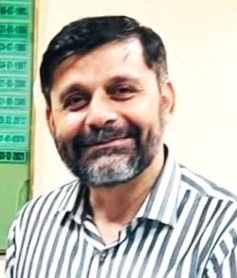
(The writer is the Chairman of the Department of Mechanical Engineering at Mehran University of Engineering and Technology (MUET), Jamshoro and a former Director of the Office of Research, Innovation and Commercialization (ORIC). He can be reached at metromorning78@gmail.com)
