





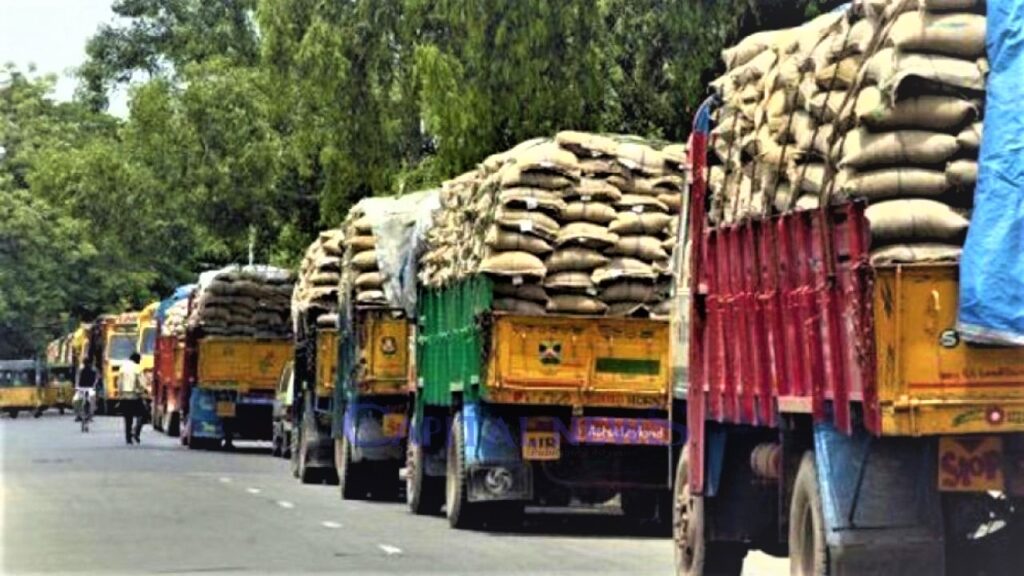
News Desk (Credit to The Capital News)
DHAKA: Bangladesh has begun the process of returning an 11,500-metric-ton consignment of non-basmati parboiled rice imported from India after detailed laboratory tests found the shipment failed to meet the country’s prescribed quality standards.
The unprecedented move has drawn attention across South Asia, raising concerns over food quality assurance, procurement procedures and the future of agricultural trade between the two neighbouring countries.
According to officials familiar with the matter, the rice consignment arrived at Chittagong Port under an international tender issued by the Bangladesh government. The shipment was supplied by Indian exporters from stocks held by multinational companies participating in the tender process.
The consignment initially cleared standard inspection procedures upon arrival, allowing part of the shipment to enter the domestic supply chain. Around 3,500 metric tons were later released for public distribution following preliminary quality checks.
However, more detailed laboratory analyses reportedly found that the rice did not meet the quality benchmarks specified in the procurement contract.
Following the findings, Bangladeshi authorities suspended the release of the remaining consignment and began procedures to return the entire shipment to India. Officials involved in the process said the decision was taken to protect food quality standards and prevent the distribution of substandard products to consumers.
The development has sparked discussion among policymakers and trade analysts in both countries. While Bangladesh has maintained that procurement standards would be enforced regardless of the source of imports, industry stakeholders warned that the issue could create challenges for bilateral trade if procedural concerns were not addressed promptly.
Trade experts said Bangladesh and India had maintained a long-standing agricultural trade relationship, with rice often playing an important role during periods of supply shortages and market instability. They noted that any disruption could affect food security planning, pricing and future government procurement strategies.
Business leaders also raised questions over Bangladesh’s procurement and inspection procedures, particularly how the shipment passed initial checks before later being declared below the required quality standards.
Analysts stressed that stronger quality control mechanisms at every stage, from tender evaluation and laboratory testing to final clearance, were essential to prevent similar disputes in the future.
Agricultural economists said the episode highlighted the importance of transparent inspection procedures and internationally recognised quality certification systems. They suggested that closer coordination among exporters, importers and regulatory authorities could help maintain confidence in cross-border food trade.
For India, one of the world’s largest rice exporters, the rejection underlined the growing importance of quality compliance in international markets. For Bangladesh, the decision reflected a stricter approach towards ensuring that imported food grains met contractual and public health requirements.
Observers across South Asia are closely monitoring the situation as both governments work through established commercial and diplomatic channels to resolve the matter while protecting broader economic ties.
Despite the current dispute, economists expressed confidence that Bangladesh and India would continue cooperation in agricultural trade. They said timely dialogue, transparent investigations and improved quality assurance systems would be crucial to restoring confidence among exporters, importers and consumers.
As the return process progresses, the incident is expected to influence future procurement policies and strengthen calls for more rigorous verification of imported food commodities before they enter national distribution networks. The outcome could shape not only bilateral rice trade but also wider standards for agricultural commerce across South Asia.
Bangladesh #India #Rice #FoodQuality #Agriculture #SouthAsia #FoodSafety #BreakingNews
