





News Desk
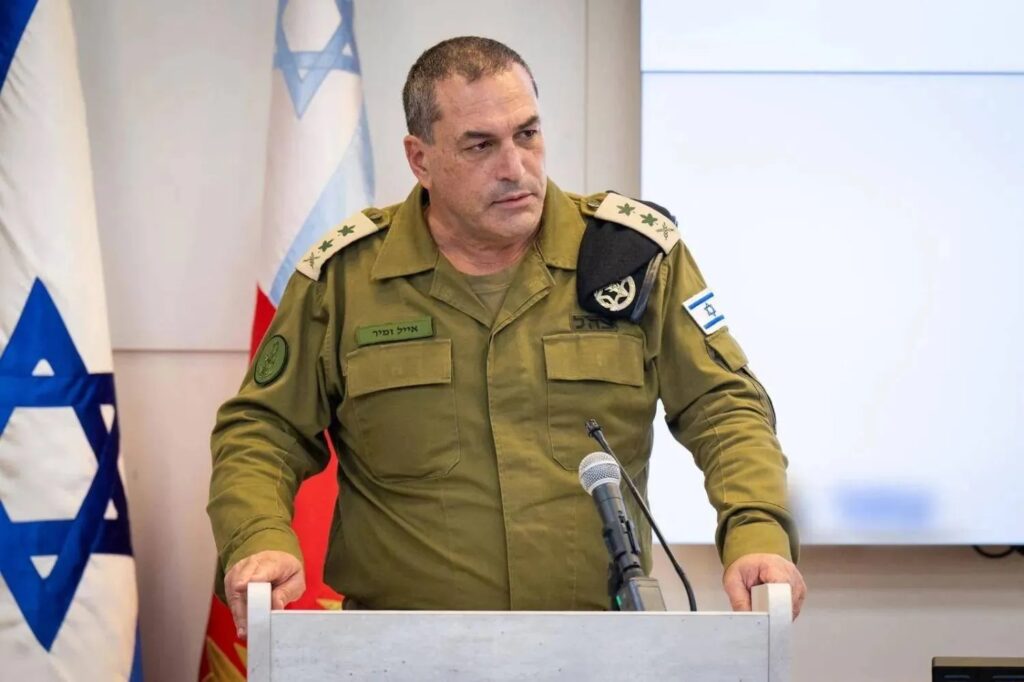
TEL AVIV: The Israeli military faced a stark warning this week as its chief of staff cautioned that the armed forces could “collapse in on itself” if the country did not address a growing shortage of soldiers. In a rare and candid assessment, the top military official highlighted the strain on the Israel Defense Forces (IDF), raising concerns about the long-term sustainability of the nation’s defence capabilities.
Speaking to senior officials, the chief of staff said that recruitment and retention had reached critical levels, with a significant number of positions remaining unfilled. The shortage, he explained, was affecting not only operational readiness but also the morale of troops, who were increasingly burdened with extended deployments and heavier responsibilities.
Analysts noted that Israel’s conscription system, which requires military service from most young men and women, was under unprecedented pressure as demographic shifts and social trends reduced the pool of eligible recruits.
Observers said the warning reflected broader challenges for Israel, which faces ongoing security threats on multiple fronts. The chief of staff emphasized that without urgent intervention, the force could become overstretched, undermining both defensive and offensive operations.
Measures under consideration included extending the length of service for existing soldiers, incentivizing volunteers, and accelerating training programs to fill gaps quickly. The remarks drew immediate attention from politicians, who acknowledged the need for a comprehensive strategy to stabilize the military’s manpower.
Opposition leaders urged the government to address systemic issues, including declining enlistment rates and the increasing number of exemptions, while defence officials called for a careful balance between operational demands and the well-being of personnel.
For many Israelis, the warning served as a reminder of the fragile balance between national security and the human resources needed to maintain it, prompting debate about how the country could sustain its military edge in an increasingly volatile region.
