





By Pervaiz Mughal
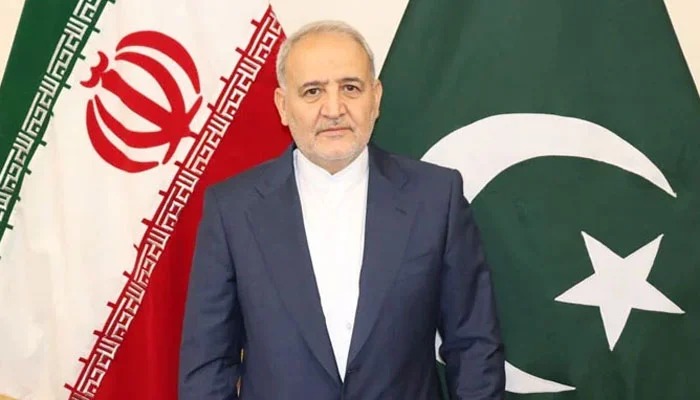
ISLAMABAD: Iran’s ambassador to Pakistan, Reza Amiri Moghaddam, has said that states with deep civilizational roots do not enter negotiations under pressure or coercion, amid continued uncertainty over possible diplomatic engagement between Tehran and Washington.
In a statement posted on social media platform X, he said it was an important “Islamic and moral principle” that dialogue should not take place under threats. He added that he hoped the United States would understand this position, framing it as a matter of principle rather than political bargaining.
The remarks came at a time of heightened diplomatic signaling between Iran and the United States, with both sides offering mixed and at times contradictory indications regarding the possibility of renewed negotiations. While reports have suggested cautious movement towards re-engagement, official positions remain sharply divided.
Iran’s president, Masoud Pezeshkian, has also said that Tehran continues to receive conflicting messages from Washington. He argued that any meaningful dialogue would require respect for previously agreed understandings, adding that Iran’s lack of trust in the United States was rooted in what he described as a long history of broken commitments and mistrust.
Pezeshkian further reiterated that Iran would not accept what he characterized as pressure to surrender, insisting that the country would resist external demands and would not be forced into concessions under duress. His comments reflected a broader official line in Tehran emphasizing sovereignty and resistance to perceived coercive diplomacy.
Earlier, Iran’s parliament speaker, Mohammad Bagher Ghalibaf, accused elements of the US leadership of attempting to transform talks into what he described as a “surrender platform”, further underscoring the entrenched mistrust shaping the current diplomatic climate.
