





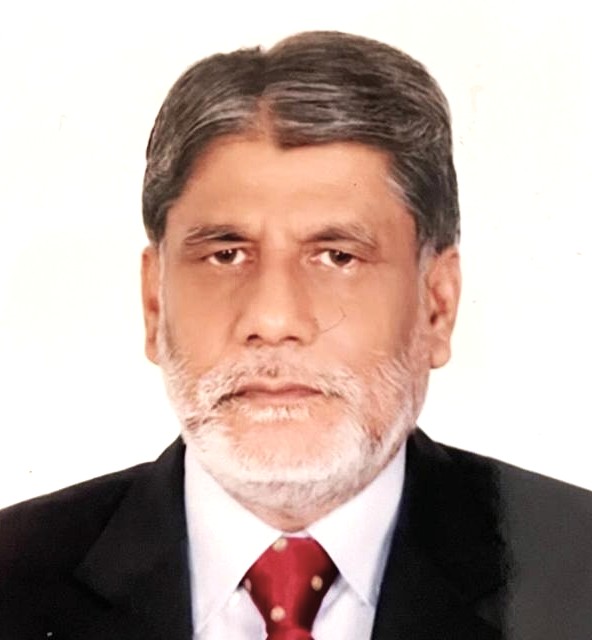
By Dr. Sheikh Akram Ali
The old proverb “All’s well that ends well” carries a powerful message about how societies remember individuals and events. It suggests that the final chapter of a person’s journey often shapes public perception of their entire life. Mistakes, controversies and failures may remain part of history, but acts of courage, service and sacrifice in later years can transform the way people are remembered. Across cultures and civilizations, history has offered countless examples of leaders whose legacies were shaped not only by their achievements but also by the choices they made during the most critical moments of their lives.
In many societies, people often judge public figures by the lasting impact of their actions rather than by a single period of success or failure. Islam also places great importance on the value of good deeds, particularly the sincerity and character demonstrated towards the end of one’s life. The political history of South Asia reflects this complex relationship between leadership, memory and legacy. Many figures who played decisive roles in shaping nations continue to be viewed through different lenses, with their contributions and shortcomings debated across generations.
Muhammad Ali Jinnah remains one of the most influential political figures in South Asian history because of his role in creating Pakistan. His leadership transformed the political future of millions of Muslims in British India and left an enduring mark on the region. Similarly, Bengali poet Kazi Nazrul Islam became a symbol of cultural and literary expression through his writings, which continue to inspire generations. The history of Bangladesh also demonstrates how political leaders can experience dramatic changes in public perception. Sheikh Mujibur Rahman emerged as a central figure in the movement that led to the creation of Bangladesh.
His popularity before independence was immense, but his later years in power remain subjects of political debate and historical discussion. Like many leaders who faced the difficult transition from movement politics to governance, his legacy continues to be examined through both achievements and controversies. Ziaur Rahman occupies an important place in Bangladesh’s political history. His role during the country’s independence struggle, his vision of Bangladeshi nationalism and his emphasis on national identity contributed to his enduring influence among his supporters. His supporters regard him as a leader who sought to strengthen Bangladesh’s sovereignty and development.
Similarly, Hussain Muhammad Ershad’s political career remains a subject of contrasting opinions. While his period of rule faced criticism, his supporters highlight initiatives in infrastructure, administrative reforms and local governance, including the introduction of the Upazila system. His recognition of Islam as the state religion also remains a significant part of Bangladesh’s constitutional history. Begum Khaleda Zia became a major figure in Bangladesh’s political landscape through her leadership of the Bangladesh Nationalist Party and her role in democratic politics. Her supporters view her as a symbol of political resistance and national sovereignty, while critics have questioned some decisions taken during her governments.
Like many political figures, her legacy continues to be shaped by both achievements and controversies. The current political moment in Bangladesh represents another important chapter in the country’s history. The government faces the difficult task of addressing public expectations, strengthening institutions and restoring confidence in democratic processes. Leadership during periods of transition requires patience, wisdom and a commitment to national interest above political divisions. The events surrounding the July Revolution of 2024 created a strong demand among many citizens for political reform, accountability and a more inclusive state structure.
Transforming those aspirations into lasting institutional change will be a significant challenge. Building a Bangladesh where justice is independent, citizens’ rights are protected and discrimination is reduced requires long-term commitment rather than short-term political decisions. The question of national unity remains central to this process. A divided society cannot easily overcome economic, political and institutional challenges. The government must therefore focus on creating trust among citizens and ensuring that state institutions work fairly and transparently.
The future role of the presidency has also become a matter of public attention. In any parliamentary democracy, the president holds a symbolic but important position as a guardian of the constitution and a representative of national unity. The selection of a president requires careful consideration because the office demands wisdom, political maturity and the ability to rise above partisan interests. Bangladesh’s history has shown that presidents can play a crucial role during moments of political uncertainty. The ideal candidate for such a position must possess integrity, experience and the ability to protect constitutional values during both peaceful and challenging times.
(The writer is an academic and political commentator in Bangladesh and can be reached at news@metro-morning.com)
#Bangladesh #Politics #Leadership #Democracy #Governance #PoliticalReform #NationalUnity #Constitution #SouthAsia #MuhammadAliJinnah #KaziNazrulIslam #SheikhMujiburRahman #ZiaurRahman #KhaledaZia #HussainMuhammadErshad #PoliticalAnalysis #Opinion #CurrentAffairs #MetroMorning
