





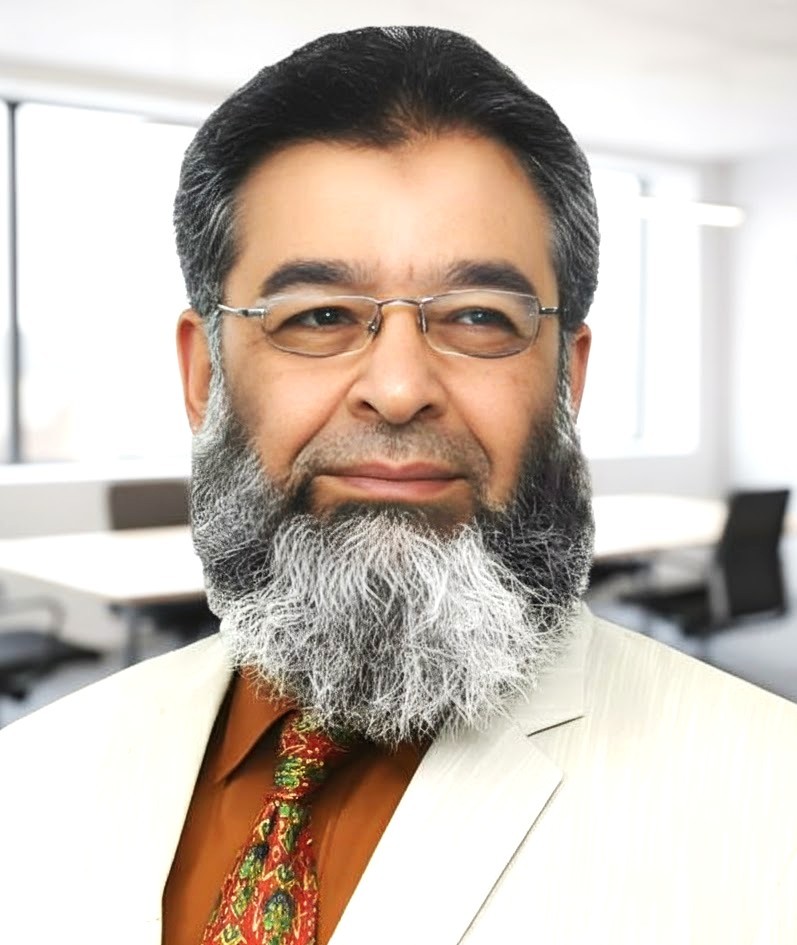
By Muhammad Mohsin Iqbal
When unrest stirs deep in the human mind, it breeds chaos that clouds the heart. In that fog, the line between right and wrong blurs until justice itself feels like an afterthought, a relic not worth fighting for. It was precisely to guard against such drift that the world, scarred by unimaginable loss, forged a shared stage: the United Nations. Born in 1945 from the rubble of the Second World War, it promised a sanctuary where nations could settle scores not with bombs but with words, under the bright light of fairness. Yet even as it took shape, compromises were struck—decisions that now haunt us, demanding not just review but bold overhaul.
Picture the scene in San Francisco that spring, delegates from 50 nations gathered amid the echoes of Hiroshima and the graves of 70 million dead. The UN Charter they signed begins with a vow etched in grief: the peoples of the United Nations, determined “to save succeeding generations from the scourge of war.” Its first article lays out the mission plainly—to keep peace through collective muscle, nurture ties between equals based on self-rule, tackle hunger and hardship together, and champion human rights for every soul, no matter their skin, faith, or tongue. This was no abstract dream. It was a desperate bid to outrun history’s horrors, to weave harmony from the threads of dignity.
The League of Nations, that earlier noble failure after the First World War, had crumbled because it couldn’t leash the aggressors. The UN’s architects aimed higher, but reality intruded. They crafted the Security Council with 15 seats, five permanent ones for the victors: China, France, Russia, the UK, and the US. Each wields a veto, a single “no” that can doom any major resolution, even if the other 14 cry yes. This was realpolitik at its rawest—a bribe to keep the giants at the table. Without it, the UN might have been stillborn. However, it planted a poison seed: a pecking order among equals, clashing with the Charter’s trumpet call for sovereign parity.
Time has exposed the rot. That veto has shielded the indefensible, time and again. It has let powerful friends dodge the world’s judgment on invasions, blockades, and cruelties that cry out for rebuke. Nowhere is this more glaring than in the Middle East, where one permanent member’s thumb on the scale has buried dozens of resolutions decrying policies that have orphaned children, razed homes, and sown despair across Gaza and beyond. Each veto does not just stall action; it mocks the majority’s voice, whispering that might trumps right. Remember the 53rd use in 2023 alone, or the pattern over decades—it’s not anomaly but architecture, a feature not a bug.
The world of 2025 bears little resemblance to 1945’s map. Empires have toppled; India, Brazil, Nigeria, and South Africa now command billions and clout that dwarfs yesterday’s giants. The Global South, once sidelined, surges with rightful fury: why should a wartime pact dictate our shared fate? The veto, meant to prevent rashness, now symbolizes elite impunity. When it paralyzes the Council, genocides fester unchecked, as in Rwanda’s shadow or Syria’s ruins; aggressors strut free, from Crimea to the South China Sea; and small states like Palestine or Pacific islands drowning in our emissions watch helplessly as their pleas dissolve into air.
Voices rise from every corner—academics in Oxford halls, presidents in African union halls, citizens scrolling feeds in Karachi streets—insisting this inequality festers resentment, erodes trust, invites the very wars the UN was built to banish. We’ve seen it: Russia’s vetoes insulating its Ukraine assault, America’s blanketing allies’ excesses. The Council’s gridlock doesn’t just fail victims; it fails us all, turning the UN into a spectator sport where the powerful play by house rules. Reform isn’t a luxury; it’s survival. We must rethink the veto, expand the table to mirror today’s power, maybe limit its use when mass graves yawn—voluntary pledges, supermajority overrides, or sunset clauses.
Models exist: the G4 push for new permanents, the African Union’s Ezulwini Consensus, even France’s “code of restraint” for atrocity cases. The path matters less than the destination: a UN that acts, not stalls, true to its Charter soul over 1945’s haggling. Amid this paralysis, glimmers of hope pierce the gloom. Pakistan, that steady hand in South Asia’s storms, has just stepped up as a quiet architect of peace. Leveraging ties with Washington and Tehran—forged in decades of shuttle diplomacy and shared stakes—Islamabad brokered a shaky US-Iran ceasefire last week, averting a wider blaze from the Strait of Hormuz to the Gulf.
It’s no grand UN triumph, but a reminder: when the blue helmets falter, nimble states can still douse fuses. Picture the backchannel calls, the envoys in neutral hotels, the fragile trust rebuilt over shared tea. Pakistan’s move echoes its history—from Kargil mediations to Afghan talks—proving bridge-builders thrive even in the UN’s shadow. Yet goodwill cannot patch a broken frame. The veto, once a brake on folly, now armors atrocity. Nations must muster the grit to dismantle 1945’s throne rooms, not vengefully but redemptively. Imagine a Council where vetoes need justification, where new voices from the equator tip scales toward equity.
This is not revolution; it’s evolution, honoring the Charter’s peoples over its patrons. Drift otherwise, and we court obsolescence. Chaos will root deeper, justice fade to irrelevance, as strongmen laugh and the weak perish unseen. We’ve walked this road before—Versailles to Pearl Harbor. Humanity, bearer of the UN’s name, deserves its promise: a forum harmonizing actions, shielding the young from war’s whip. Demand it now, before agitation hardens hearts and the common platform crumbles. In that fragile ceasefire Pakistan helped midwife, we glimpse what’s possible. Let it inspire not complacency but catalyst. The UN of tomorrow must match our world’s breadth, or history will judge it not savior, but relic.
(The writer is a parliamentary expert with decades of experience in legislative research and media affairs, leading policy support initiatives for lawmakers on complex national and international issues, and can be reached at editorial@metro-Morning.com)
